Fluxim
  • Fluxim Home
  • Introduction Emission Drift-Diffusion Absorption Advanced Optics References
  • Introduction Electrical Thermal Optical References
  • Introduction Features Modules References
  • Introduction References
  • Introduction References
  • Introduction
  • Applications OLEDs Solar Cells OLED Case Study Photovoltaic Case Study
  • Publications Blogs Scientific Videos Research Projects Collaborations
  • Team Testimonials Careers News and Events
  • Sales Distributors
  • Free Evaluation
Fluxim
  • Fluxim Home/
  • Setfos/
    • Introduction
    • Emission
    • Drift-Diffusion
    • Absorption
    • Advanced Optics
    • References
  • Laoss/
    • Introduction
    • Electrical
    • Thermal
    • Optical
    • References
  • Paios/
    • Introduction
    • Features
    • Modules
    • References
  • Phelos/
    • Introduction
    • References
  • Litos/
    • Introduction
    • References
  • Litos-Lite/
    • Introduction
  • Applications/
    • Applications
    • OLEDs
    • Solar Cells
    • OLED Case Study
    • Photovoltaic Case Study
  • Research/
    • Publications
    • Blogs
    • Scientific Videos
    • Research Projects
    • Collaborations
  • About us/
    • Team
    • Testimonials
    • Careers
    • News and Events
  • Contacts/
    • Sales
    • Distributors
  • Free Evaluation/
Fluxim

LED and solar cell simulation software and measurement hardware for organic, quantum-dots and perovskite-based devices

Publications

Fluxim
  • Fluxim Home/
  • Setfos/
    • Introduction
    • Emission
    • Drift-Diffusion
    • Absorption
    • Advanced Optics
    • References
  • Laoss/
    • Introduction
    • Electrical
    • Thermal
    • Optical
    • References
  • Paios/
    • Introduction
    • Features
    • Modules
    • References
  • Phelos/
    • Introduction
    • References
  • Litos/
    • Introduction
    • References
  • Litos-Lite/
    • Introduction
  • Applications/
    • Applications
    • OLEDs
    • Solar Cells
    • OLED Case Study
    • Photovoltaic Case Study
  • Research/
    • Publications
    • Blogs
    • Scientific Videos
    • Research Projects
    • Collaborations
  • About us/
    • Team
    • Testimonials
    • Careers
    • News and Events
  • Contacts/
    • Sales
    • Distributors
  • Free Evaluation/

Publications

Filter by: All | OLED | Solar Cell | Light Scattering | Drift Diffusion | Optics | Perovskite | Batteries | OLEC | Stability

Featured
Highly efficient blue thermally activated delayed fluorescence emitters based on symmetrical and rigid oxygen-bridged boron acceptors.

Robin E. M. Willems, Stefan C. J. Meskers, Martijn M. Wienk, and René A. J. Janssen

Nat. Photonics 13, 540–546 (2019)

https://www.nature.com/articles/s41566-019-0415-5

Description:

Materials that exhibit thermally activated delayed fluorescence are promising for the realization of efficient organic light-emitting diodes. However, finding suitable deep-blue thermally activated delayed fluorescence materials is still challenging. Here, we report two highly efficient deep-blue thermally activated delayed fluorescence emitters, TDBA–Ac and TDBA–DI, containing oxygen-bridged, symmetric and rigid boron acceptor moieties.

Effect of Charge-Transfer State Energy on Charge Generation Efficiency via Singlet Fission in Pentacene–Fullerene Solar Cells

Robin E. M. Willems, Stefan C. J. Meskers, Martijn M. Wienk, and René A. J. Janssen

J. Phys. Chem. C 2019, 123, 16, 10253–10261

https://pubs.acs.org/doi/10.1021/acs.jpcc.9b00568

Description:

Singlet fission in pentacene creates two triplet excitons per absorbed photon. In a solar cell, each triplet can generate an electron–hole pair, and hence, external quantum efficiencies exceeding 100% have been reported for pentacene–fullerene solar cells. The energetics of this process are intriguing because the minimum photon energy loss, defined as the energy difference between the (triplet) exciton state and the open-circuit voltage, is less than 0.5 eV and distinctively smaller than that in most organic donor–acceptor solar cells. To investigate the energetics of this process, we analyze the effect of the energy of the lowest unoccupied molecular orbital (LUMO) for different fullerene derivatives..

Enhancing Light Outcoupling in Organic Light-Emitting Devices by Integration of Scattering Electrodes

Dimitrios Kourkoulos, Christoph Patron, Thorsten Erich Umbach,

Anne Manuela Umbach, and Klaus Meerholz

Physica Status Solidi (a) May 2020, 1900593

https://doi.org/10.1002/pssa.201900593

Description:

Limited outcoupling efficiencies are still a big problem in organic light‐emitting devices (OLEDs). In this contribution, a simple and general approach for enhancing the outcoupling efficiency of OLEDs is presented: by using a three‐step process, including electrospray deposition of a sacrificial material (step i), thin metal‐layer deposition (step ii), and elution of the sacrificial material (step iii), scattering metal structures are fabricated that can be used in cavity OLEDs. The integration into green‐emitting vacuum‐processed OLEDs yields in increased luminous efficiency and external quantum efficiency (EQE) by 30% and 27%, respectively.

Use of the Phen-NaDPO:Sn(SCN)2 Blend as Electron Transport Layer Results to Consistent Efficiency Improvements in Organic and Hybrid Perovskite Solar Cells

Akmaral Seitkhan, Marios Neophytou, Mindaugas Kirkus, Edy Abou-Hamad,

Mohamed Nejib Hedhili, Emre Yengel, Yuliar Firdaus, Hendrik Faber, Yuanbao Lin,

Leonidas Tsetseris, Iain McCulloch, and Thomas D. Anthopoulos

Adv. Funct. Mater December 5, 2019, 1905810

DOI: 10.1002/adfm.201905810

Description:

A simple approach that enables a consistent enhancement of the electron extracting properties of the widely used small‐molecule Phen‐NaDPO and its application in organic solar cells (OSCs) is reported. It is shown that the addition of minute amounts of the inorganic molecule Sn(SCN)2 into Phen‐NaDPO improves both the electron transport and its film‐forming properties. Use of Phen‐NaDPO:Sn(SCN)2 blend as the electron transport layer (ETL) in binary PM6:IT‐4F OSCs leads to a remarkable increase in the cells' power conversion efficiency (PCE) from 12.6% (Phen‐NaDPO) to 13.5% (Phen‐NaDPO:Sn(SCN)2).

Ultrafast colloidal quantum dot infrared photodiode

Qiwei Xu, Lingju Meng, Kaustubh Sinha, Farsad I. Chowdhury, Jun Hu, Xihua Wang

ACS Photonics 2020, 7, 1297

https://pubs.acs.org/doi/abs/10.1021/acsphotonics.0c00363

Description:

PbS QDs photodetectors with short rise/fall times (0.33 μs), high sensitivity, and EQE exceeding 100% have been presented by the group of Prof. Xihua Wang. The charge mobility and the epsilon of the active layer were obtained by using photo-CELIV, dark-CELIV, and C-V measurements. The transit time is proportional to the thickness, while the capacitance and the RC time delay are inversely proportional.

Novel wide-bandgap non-fullerene acceptors for efficient tandem organic solar cells

Yuliar Firdaus, Qiao He, Yuanbao Lin, Ferry Anggoro Ardy Nugroho, Vincent M. Le Corre, Emre Yengel, Ahmed H. Balawi, Akmaral Seitkhan, Frédéric Laquai, Christoph Langhammer, Feng Liu, Martin Heeney and Thomas D. Anthopoulos

Journal of Materials Chemistry A 2020

https://doi.org/10.1039/C9TA11752K

Description:

The authors show a new wide bandgap acceptor which can be applied in tandem solar cells. The authors use Setfos to simulate the single and tandem device layer thicknesses and thus optimize efficiency. Furthermore, they thoroughly characterize the cells using the Paios platform in order to understand the different efficiency among different acceptors.

Application of Fluorescent Molecules as Noninvasive Sensors for Optoelectronic Characterization on Nanometer Length Scales

Thomas Ferschke, Alexander Hofmann, Wolfgang Brütting and Jens Pflaum

ACS Applied Electronic Materials 2020

https://dx.doi.org/10.1021/acsaelm.9b00687

Abstract:

Determining noninvasively the microscopic optoelectronic parameters of molecular assemblies would constitute an important achievement in material as well as in life sciences. In this contribution, we cope with this challenge by utilizing fluorescent tetraphenyldibenzoperiflanthene (DBP) molecules as optically addressable sensors deterministically positioned in N,NŒ-di(1-naphthyl)-N,NŒ-diphenyl-(1,1Œ- biphenyl)-4,4Œ-diamine/tris(8-hydroxyquinolato)aluminum (NPB/Alq3) organic light-emitting diodes (OLEDs) as a model system.

Combining steady-state with frequency and time domain data to quantitatively analyze charge transport in organic light-emitting diodes

Sandra Jenatsch, Simon Züfle, Balthasar Blülle, and Beat Ruhstaller

Journal of Applied Physics 127, 031102 (2020)

https://doi.org/10.1063/1.5132599

Abstract:

Generally, Organic Light-Emitting Diodes (OLEDs) are characterized in steady-state. Adding electro-optical measurements in frequency and time domain helps to analyze charge carrier and exciton dynamics, and provides deeper insights into the device physics. In their recent publication “Combining steady-state with frequency and time domain data to quantitatively analyze charge transport in organic light-emitting diodes” Dr. Sandra Jenatsch and colleagues present an overview of frequently used measurement techniques and analytical models for OLEDs. The main part of this tutorial explains how to systematically fit the measured OLED characteristics with microscopic device simulations based on a charge drift-diffusion and exciton migration model in 1D. Moreover, the authors analyze the correlation and sensitivity of the determined material parameters and use the obtained device model to understand the limitations of the specific OLED they considered.

Featured
Kinetic Control over Self-Assembly of Semiconductor Nanoplatelets

Rebecca Momper, Heng Zhang, Shuai Chen, Henry Halim, Ewald Johannes, Stoyan Yordanov, Daniele Braga, Balthasar Blülle, David Doblas, Tobias Kraus, Mischa Bonn, Hai I. Wang, and Andreas Riedinger

Nano Letters (2020)

https://pubs.acs.org/doi/10.1021/acs.nanolett.9b05270

Description:

The authors discover that collective nanoplatelets orientation in monolayers can be controlled kinetically by exploiting the solvent evaporation rate in self-assembly at liquid interfaces. The ability to kinetically control the assembly of nanoplatelets into ordered monolayers with tunable optical and electronic properties paves the way for new applications in optoelectronic devices.

Read More →
Scalable photonic sources using two-dimensional lead halide perovskite superlattices

Jakub Jagielski, Simon F. Solari, Lucie Jordan, Declan Scullion, Balthasar Blülle, Yen-Ting Li, Frank Krumeich, Yu-Cheng Chiu, Beat Ruhstaller, Elton J. G. Santos and Chih-Jen Shih

Nature Communications 11, 387 (2020)

https://www.nature.com/articles/s41467-019-14084-3

Description:

The authors report decoupled multi-quantum-well superlattices comprised of colloidal quantum wells of lead halide perovskites, with unprecedentedly ultrathin quantum barriers that screen interlayer interactions within the range of 6.5 Å. Crystallographic and 2D k-space spectroscopic analysis reveals that the transition dipole moment orientation of bright excitons in the superlattices is predominantly in-plane and independent of the stacking layer and quantum barrier thickness, confirming interlayer decoupling.

Read More →
Routes for Efficiency Enhancement in Fluorescent TADF Exciplex Host OLEDs Gained from an Electro-Optical Device Model

Markus Regnat, Kurt P. Pernstich, Kwon-Hyeon Kim, Jang-Joo Kim, Frank Nüesch, and Beat Ruhstaller

Adv. Electron. Mater. 1900804 (2019)

https://doi.org/10.1002/aelm.201900804

Abstract:

Fluorescence-based organic light-emitting diodes (OLEDs) using thermally activated delayed fluorescence (TADF) have increasingly attracted attention in research and industry. One method to implement TADF is based on an emitter layer composed of an exciplex host and a fluorescent dopant. Even though the experimental realization of this concept has demonstrated promising external quantum efficiencies, the full potential of this approach has not yet been assessed. To this end, a comprehensive electro-optical device model accounting for the full exciton dynamics including triplet harvesting and exciton quenching is presented. The model parameters are fitted to multiple output characteristics of an OLED comprising a TADF exciplex host with a fluorescent emitter, showing an external quantum efficiency of >10%. With the model at hand, an emission zone analysis and a parameter study are performed, and possible routes for further efficiency enhancement are presented.

Read More →
J-Aggregation Enhances the Electroluminescence Performance of a Sky-Blue Thermally Activated Delayed-Fluorescence Emitter in Nondoped Organic Light-Emitting Diodes

Wei Li, Wenqi Li, Lin Gan, Mengke Li, Nan Zheng, Chengyun Ning, Dongcheng Chen, Yuan-Chun Wu, and Shi-Jian Su

ACS Appl. Mater. Interfaces 2020, 12, 2717-2723

http://dx.doi.org/10.1021/acsami.9b17585

Abstract:

A pivotal thermally activated delayed-fluorescence (TADF) emitter, DspiroAc-TRZ, was developed, and it exhibits greatly enhanced electroluminescence performance in nondoped organic light-emitting diodes (OLEDs) owing to the concurrent manipulation of aggregation behavior and monomolecular structure. The delicate nonplanar packing pattern in the DspiroAc-TRZ crystal can not only lead to highly efficient solid-state luminescence but also form a loose intermolecular packing pattern, greatly decreasing the HOMO or LUMO overlaps in dimers and shortening the triplet exciton diffusion length. In addition, the rigid donor and acceptor moieties in DspiroAc-TRZ can rigidify the molecular backbone, resulting in a tiny geometric vibrational relaxation in the excited state. Impressively, high photoluminescent quantum yields of 78.5 and 83.7% were achieved for the DspiroAc-TRZ single crystal and nondoped film. A high external quantum efficiency (EQE) of 25.7% was achieved in a nondoped sky-blue TADF OLED, which is higher than any reported EQE value of nondoped sky-blue TADF OLEDs so far.

Read More →
Roll-to-roll solvent annealing of printed P3HT : ICXA devices

Andrew S. Hart, Thomas R. Andersen, Matthew J. Griffith, Adam Fahy, Ben Vaughan, Warwick J. Belcher and Paul C. Dastoor

RSC Advances 2020

https://dx.doi.org/10.1039/c9ra08826a

Abstract:

Currently, large-scale roll-to-roll production of printed organic photovoltaics (OPVs) involves high temperature annealing steps that are not compatible with thermally sensitive substrates, such as coated fabrics. In particular, the processing temperatures needed to produce the required crystalline ordering in the printed films are typically above the deformation and melting-points of these substrates. In this paper we investigate the use of local solvent recrystallisation (solvent annealing) on the roll-to-roll scale as a method for avoiding high-temperature thermal annealing. Solvent annealing was performed by slot-die coating a mixture of chloroform and methanol over a previously printed P3HT ICXA active layer film. Peak device performance was found for the 30% chloroform/70% methanol annealing case which increased device performance by a factor of 4 over the not treated devices.

Read More →
Dipolar Doping of Organic Semiconductors to Enhance Carrier Injection

Alexander J.L. Hofmann, Simon Züfle, Kohei Shimizu, Markus Schmid, Vivien Wessels, Lars Jäger, Stéphane Altazin, Keitaro Ikegami, Motiur Rahman Khan, Dieter Neher, Hisao Ishii, Beat Ruhstaller, and Wolfgang Brütting

Physical Review Applied 12, 064052 (2019)

http://dx.doi.org/10.1103/PhysRevApplied.12.064052

Abstract:

If not oriented perfectly isotropically, the strong dipole moment of polar organic semiconductor materials such as tris-(8-hydroxyquinolate)aluminum (Alq3) will lead to the buildup of a giant surface potential (GSP) and thus to a macroscopic dielectric polarization of the organic film.

Read More →
Comprehensive Characterization and Modelling of Operation Mechanisms in Third Generation Solar Cells

Martin T. Neukom

Dissertation, University of Augsburg, 2019

https://opus.bibliothek.uni-augsburg.de/opus4/frontdoor/deliver/index/docId/63805/file/characterization_and_modelling_diss_neukom.pdf

Abstract:

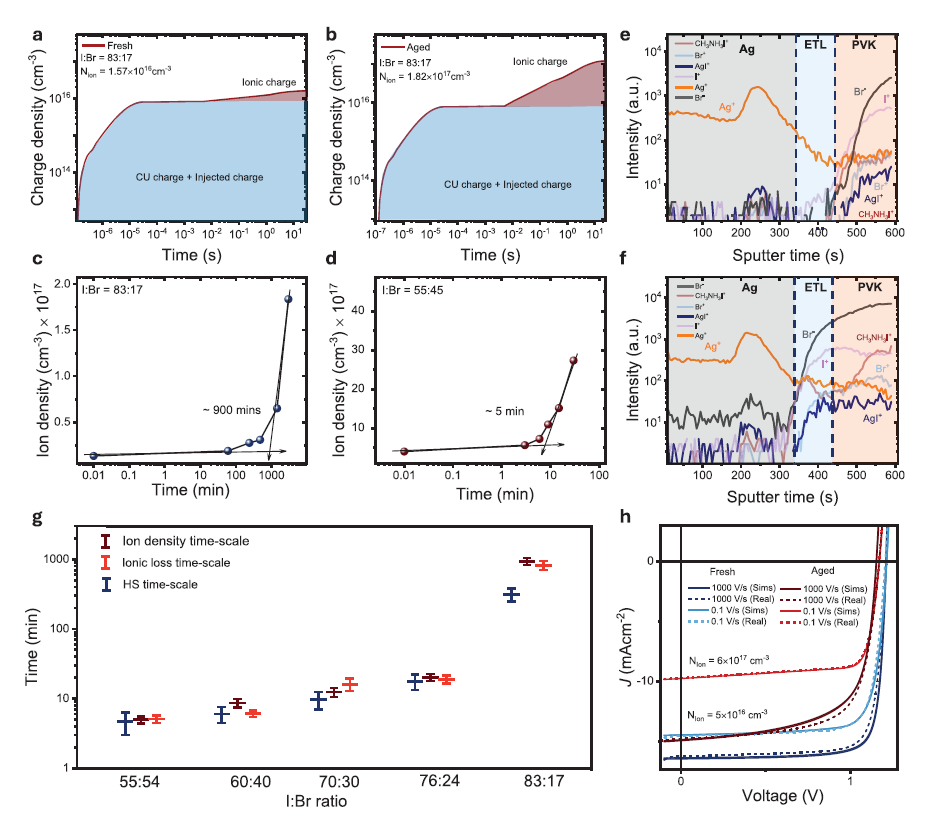
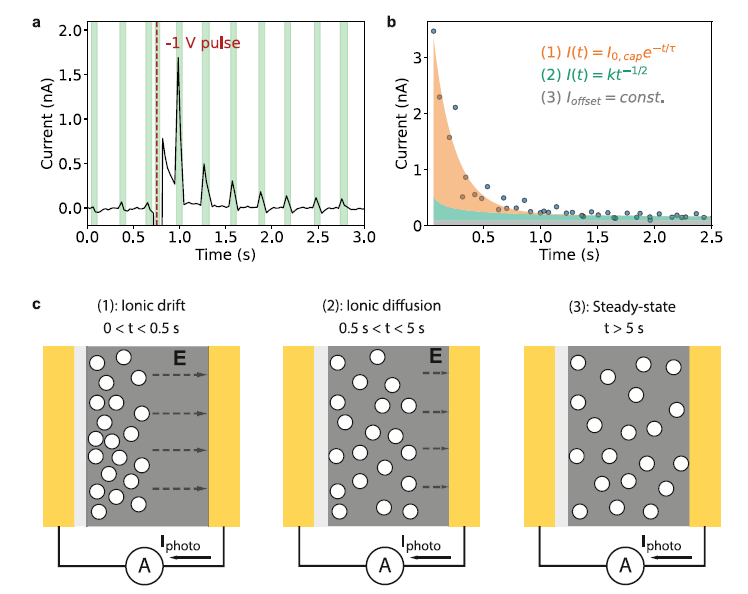
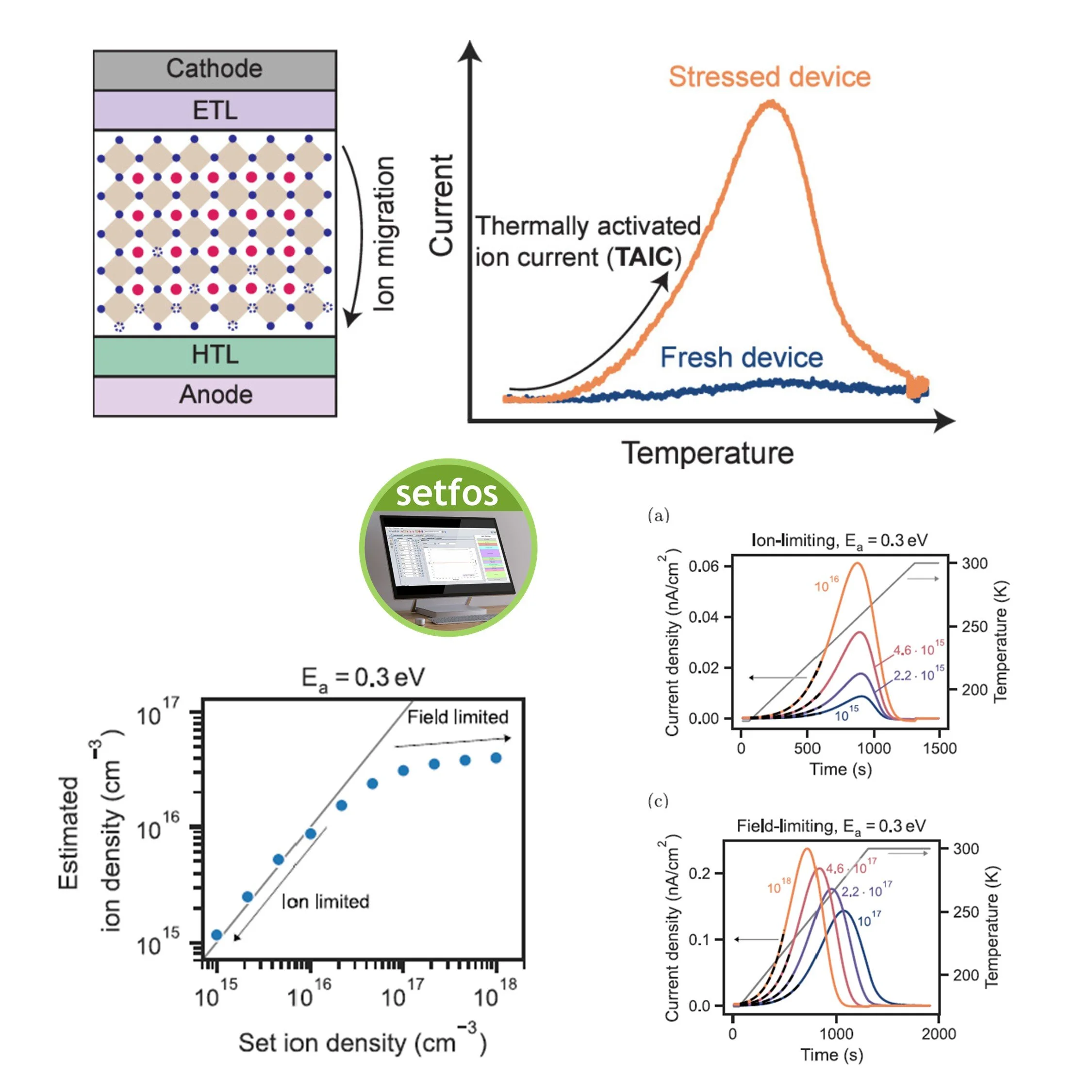
Solar energy is one of the key enabling technologies for the transition to a zero-carbon society – a necessity to mitigate global climate change. Emerging photovoltaic technologies based on novel semiconductor materials offer new disruptive applications since they can be made light-weight, flexible and in arbitrary shape and colour. A novel step response technique illustrates that the retraction of ionic charges from layer interfaces enables charge transport.

Read More →
Approaching the Shockley–Queisser limit for fill factors in lead–tin mixed perovskite photovoltaics

K. D. G. I. Jayawardena, R. M. I. Bandara, M. Monti,b E. Butler-Caddle,b T. Pichler, H. Shiozawa, Z. Wang, S. Jenatsch, S. J. Hinder, M. G. Masteghin, M. Patel, H. M. Thirimanne, W. Zhang, R. A. Sporea, J. Lloyd-Hughes and S. R. P. Silva

J. Mater. Chem. A 2020

https://doi.org/10.1039/C9TA10543C

Abstract:

The performance of all solar cells is dictated by charge recombination. A closer to ideal recombination dynamics results in improved performances, with fill factors approaching the limits based on Shockley–Queisser analysis. It is well known that for emerging solar materials such as perovskites, there are several challenges that need to be overcome to achieve high fill factors, particularly for large area lead–tin mixed perovskite solar cells. Here we demonstrate a strategy towards achieving fill factors above 80% through post-treatment of a lead–tin mixed perovskite absorber with guanidinium bromide for devices with an active area of 0.43 cm2. This bromide post-treatment results in a more favorable band alignment at the anode and cathode interfaces, enabling better bipolar extraction. The resulting devices demonstrate an exceptional fill factor of 83%, approaching the Shockley–Queisser limit, resulting in a power conversion efficiency of 14.4% for large area devices.

Read More →
Understanding the Ligand Effects on Photophysical, Optical, and Electroluminescent Characteristics of Hybrid Lead Halide Perovskite Nanocrystal Solids

Sudhir Kumar, Jakub Jagielski, Tommaso Marcato, Simon F. Solari, and Chih-Jen Shih

J. Phys. Chem. Lett. 2019, 10, 24, 7560-7567

https://doi.org/10.1021/acs.jpclett.9b02950

Abstract:

There has been a tremendous amount of interest in developing high-efficiency light-emitting diodes (LEDs) based on colloidal nanocrystals (NCs) of hybrid lead halide perovskites. Here, we systematically investigate the ligand effects on EL characteristics by tuning the hydrophobicity of primary alkylamine ligands used in NC synthesis. By increasing the ligand hydrophobicity, we find (i) a reduced NC size that induces a higher degree of quantum confinement, (ii) a shortened exciton lifetime that increases the photoluminescence quantum yield, (iii) a lowering of refractive index that increases the light outcoupling efficiency, and (iv) an increased thin-film resistivity. Accordingly, ligand engineering allows us to demonstrate high-performance green LEDs exhibiting a maximum external quantum efficiency up to 16.2%. The device operational lifetime, defined by the time lasted when the device luminance reduces to 85% of its initial value, LT85, reaches 243 min at an initial luminance of 516 cd m–2.

Read More →
The Dynamic Emission Zone in Sandwich Polymer Light-Emitting Electrochemical Cells

Matthias Diethelm, Andreas Schiller, Maciej Kawecki, Andrius Devižis, Balthasar Blülle, Sandra Jenatsch, Evelyne Knapp, Quirin Grossmann, Beat Ruhstaller, Frank Nüesch, and Roland Hany

Advanced Functional Materials 1906803 (2019)

https://doi.org/10.1002/adfm.201906803

Abstract:

In light‐emitting electrochemical cells (LECs), the position of the emission zone (EZ) is not predefined via a multilayer architecture design, but governed by a complex motion of electrical and ionic charges. As a result of the evolution of doped charge transport layers that enclose a dynamic intrinsic region until steady state is reached, the EZ is often dynamic during turn‐on. For thick sandwich polymer LECs, a continuous change of the emission color provides a direct visual indication of a moving EZ. Results from an optical and electrical analysis indicate that the intrinsic zone is narrow at early times, but starts to widen during operation, notably well before the electrical device optimum is reached. Results from numerical simulations demonstrate that the only precondition for this event to occur is that the mobilities of anions and cations are not equal, and the direction of the EZ shift dictates mobilitycat > mobilityan. Quantitative ion profiles reveal that the displacement of ions stops when the intrinsic zone stabilizes, confirming the relation between ion movement and EZ shift. Finally, simulations indicate that the experimental current peak for constant‐voltage operation is intrinsic and the subsequent decay does not result from degradation, as commonly stated.

Read More →
Quantitative Analysis of Charge Transport in Single-Carrier Devices and OLEDs Combining DC and AC Data

Sandra Jenatsch, Simon Züfle, Paul-Anton Will, Balthasar Blülle, Martin Neukom, Simone Lenk, Sebastian Reineke, Daniele Braga, Konrad Domanski, Beat Ruhstaller

SID 2019 Digest, P-176 (2019)

https://doi.org/10.1002/sdtp.13333

Abstract:

Single-carrier devices are perfect model systems to extract material parameters for more complex multilayer organic light-emitting diodes (OLEDs) and to learn about charge transport and injection properties of the device. By combining simulation and measurements in steady-state and frequency domain, we obtain a set of reliable material parameters which can be used to model the multilayer OLED structure. Moreover, we can also evaluate the contact behavior and conclude that the OLED operation is limited by electron transport.

Read More →
Efficient and Stable Solution-Processed Organic Light-Emitting Transistors Using a High.k Dielectric

Sungho Nam, Mujeeb Ullah Chaudhry, Kornelius Tetzner, Christopher Pearson, Chris Groves, Michael C. Petty, Thomas D. Anthopoulos, and Donal D. C. Bradley

ACS Photonics (2019)

https://doi.org/10.1021/acsphotonics.9b01265

Abstract:

Device characterization shows that the use of P(VDF-TrFE-CTFE) leads to larger channel currents (≈2 mA) and lower operating voltages (−35 V) than for previously reported polymer based OLETs. Furthermore, the combined transparency of the dielectric and gate electrode, results in efficient bottom emission with external quantum efficiency of ≈0.88% at a luminance L ≥ 2000 cd m–2. Importantly, the resulting OLETs exhibit excellent shelf life and operational stability. The present work represents a significant step forward in the pursuit of all-solution-processed OLET technology for lighting and display applications.

Read More →
Aluminum-Assisted Densification of Co-Sputtered Lithium Garnet Electrolyte Films for Solid-State Batteries

Jordi Sastre, Tzu-Ying Lin, Alejandro Nicolas Filippin, Agnieszka Priebe, Enrico Avancini, Johann Michler, Ayodhya N. Tiwari, Yaroslav E. Romanyuk, and Stephan Buecheler

ACS Appl. Energy Mater., (2019)

https://doi.org/10.1021/acsaem.9b01387

Abstract:

Garnet Li7La3Zr2O12 (LLZO) is a promising solid-state electrolyte due to its wide electrochemical stability window and high Li-ion conductivity. This electrolyte has potential to be employed in the form of thin films for solid-state batteries, a promising approach in the quest for safer batteries with higher energy densities at lower fabrication costs. In this study, we use a scalable cosputtering process to fabricate LLZO thin films with subsequent postannealing at a temperature of 700 °C, significantly below the sintering temperatures employed in ceramic pellet processing.

Read More →
Low Refractive Index Layers in OLEDs via Electro-Spray Deposition for Enhanced Outcoupling Efficiency

Thorsten E. Umbach, Stefan Röllgen, Stefan Schneider, Heike Klesper, Anne M. Umbach, Klaus Meerholz

Adv. Eng. Mater. (2019)

https://doi.org/10.1002/adem.201900897

Abstract:

Organic light‐emitting diodes (OLEDS) still suffer from limited outcoupling efficiencies. In this contribution, a novel technology for the enhancement of the outcoupling efficiency of OLED devices is presented. By means of electro‐spray deposition (ESD) the active hole‐transport layer (HTL) is modified to have a reduced effective refractive index due to its porosity. A green‐emitting stack is tailored to demonstrate this effect, whereas additional haze effects are to be prevented. The introduction of a low‐index HTL results in a more efficient light extraction by a factor of 1.05 showing excellent agreement between experiment and simulation.

Read More →
Use of the Phen-NaDPO:Sn(SCN)2 Blend as Electron Transport Layer Results to Consistent Efficiency Improvements in Organic and Hybrid Perovskite Solar Cells

Akmaral Seitkhan, Marios Neophytou, Mindaugas Kirkus, Edy Abou-Hamad, Mohamed Nejib Hedhili, Emre Yengel, Yuliar Firdaus, Hendrik Faber, Yuanbao Lin, Leonidas Tsetseris, Iain McCulloch, and Thomas D. Anthopoulos

Advanced Functional Materials 1905810 (2019)

https://doi.org/10.1002/adfm.201905810

Abstract:
A simple approach that enables a consistent enhancement of the electron extracting properties of the widely used small-molecule Phen-NaDPO and its application in organic solar cells (OSCs) is reported. It is shown that addition of minute amounts of the inorganic molecule Sn(SCN)2 into Phen-NaDPO improves both the electron transport and its film-forming properties. Use of Phen-NaDPO:Sn(SCN)2 blend as the electron transport layer (ETL) in binary PM6:IT-4F OSCs leads to a remarkable increase in the cells’ power conversion efficiency (PCE) from 12.6% (Phen-NaDPO) to 13.5% (Phen-NaDPO:Sn(SCN)2). Combining the hybrid ETL with the best-in-class organic ternary PM6:Y6:PC70BM systems results to a similarly remarkable PCE increase from 14.2% (Phen-NaDPO) to 15.6% (Phen-NaDPO:Sn(SCN)2). The consistent PCE enhancement is attributed to reduced trap-assisted carrier recombination at the bulk-heterojunction/ETL interface due to the presence of new energy states formed upon chemical interaction of Phen-NaDPO with Sn(SCN)2. The versatility of this hybrid ETL is further demonstrated with its application in perovskite solar cells for which an increase in the PCE from 16.6% to 18.2% is also demonstrated.

Read More →
Highly efficient blue and white light-emitting electrochemical cells employing substrates containing embedded diffusive layers

Yan-Zhi Chen, Dian Luo, Chi-Haw Hsiang, Rong-Huei Yi, Ching-Hsuan Lin, Chin-Wei Lu, Shun-Wei Liu, Chih-Hao Chang, Hai-Ching Su

Organic Electronics (2019)

https://doi.org/10.1016/j.orgel.2019.105515

Abstract:

Enhancing device efficiencies of the blue and white light-emitting electrochemical cells (LECs) is realized by employing substrates with embedded diffusive layers containing scattering TiO2 nanoparticles (NPs). The diffusive layers can eliminate the influence of microcavity effect on the output electroluminescence (EL) spectrum and recover the intrinsic EL spectrum of the emissive layer. The emission zone positions of the blue and white LECs are estimated by fitting the measured EL spectra with the simulated EL spectra based on precisely tuned emission zone positions. Incorporating red-emitting guest dopant in the white LEC results in shifted emission zone toward the cathode due to enhanced electron trapping. 

Read More →
Enhancing the Charge Extraction and Stability of Perovskite Solar Cells Using Strontium Titanate (SrTiO3) Electron Transport Layer

Marios Neophytou, Michele De Bastiani, Nicola Gasparini, Erkan Aydin, Esma Ugur, Akmaral Seitkhan, Floriana Moruzzi, Yasmin Choaie, Alexandra J. Ramadan, Joel R. Troughton, Rawad Hallani, Achilleas Savva, Leonidas Tsetseris, Sahika Inal, Derya Baran, Frédéric Laquai, Thomas D. Anthopoulos, Henry J. Snaith, Stefaan De Wolf, and Iain McCulloch

ACS Appl. Energy Mater. (2019)

https://doi.org/10.1021/acsaem.9b01567

Abstract:
Charge transport layers strongly influence the performance of perovskite solar cells (PSCs). To date, compact layers and mesoporous scaffolds of titanium dioxide have emerged as good electron transport layers (ETL), enabling record power conversion efficiencies (PCE). However, these ETLs require sintering above 400 ¡ãC, which excludes them from low-temperature applications such as flexible devices and silicon-heterojunction tandems. Furthermore, instability of TiO2 under prolonged exposure to sunlight appears to be a critical issue. Here, we present the promising characteristics of low-temperature processed strontium titanate (STO) as an ETL to realize PSCs with 19% PCE. STO is a wide bandgap transparent inorganic perovskite. Compared with other low-temperature processed interlayers, STO reduces the parasitic absorption in the ultraviolet and visible range, improves the electron transport, and greatly increases the stability of the devices, retaining ¡«80% of their initial efficiency after 1000 h of constant white light illumination.

Read More →
Interface-enhanced organic solar cells with extrapolated T 80 lifetimes of over 20 years

Xiang Xu, Jingyang Xiao, Guichuan Zhang, Long Wei, Xuechen Jiao, Hin-Lap Yip, Yong Cao

Science Bulletin (2019)

https://doi.org/10.1016/j.scib.2019.10.019

Abstract:

Interfacial modification of ZnO electron transparent layer with a fullerene self-assembled monolayer can simultaneously improve the efficiency and photo-stability of organic solar cells by improving the charge extraction property and stabilizing the active layer morphology, leading to a state-of-the-art organic solar cell with extrapolated lifetime more than 20 years.

Read More →
Cellules solaires pérovskites imprimées et optimisation des couches pérovskites pour les cellules tandems

Moulay Ahmed Slimani

Masterthesis, Universite de Quebec, 2019

http://espace.etsmtl.ca/2415/

Abstract:

Based on current energy and environmental context, research in the photovoltaic field is growing very fast. Silicon photovoltaic (PV) cells dominate the world market. One of the reasons limiting the efficiency of silicon-based solar cells are the losses due to thermalization. multi-junction cells represent a solution to reduce these losses, but they are expensive too. The printing technique, therefore represents a viable alternative for it is a low temperature and a low-cost technique. Moreover, it can be realized on flexible devices and with unlimited raw material. The objectives of this thesis are thus to firstly realize perovskite solar cells using the Slot Die printing technique and then to optimize it to optimize a 4-terminal (4T) tandem silicon/perovskite cell. A simulation study by SETFOS (Semiconducting Emission Thin Film Optics Simulation) was made to understand and optimize the effect of thickness, mobility of charge carriers and bands energy on the efficiency of the perovskite solar cell. Then, a characterization of the absorption coefficient of other layers inside the cells were made using Lambda 750 UV / Vis / NIR and X-ray diffraction technique (XRD) were used to optimize the temperature and the annealing time of the perovskite film. The last part of this work was reserved to the study of the effects of the layers of the perovskite cell on the absorption of the mono-crystalline silicon cell. This experimental study allowed us to optimize the layers of the perovskite solar cell and to evaluate the feasibility of having a perovskite/silicon tandem solar cell.

Read More →
Electro-optically Efficient and Thermally Stable Multilayer Semitransparent Pristine Ag Cathode Structure for Top-Emission Organic Light-Emitting Diodes

Seong Keun Kim, Raju Lampande, and Jang Hyuk Kwon

ACS Photonics (2019)

https://doi.org/10.1021/acsphotonics.9b01155

Abstract:

To attain high efficiency and stability in a top-emission organic light-emitting diode (TEOLED), the semitransparent metal cathode must have high transmittance, low absorbance, and uniform surface properties under continuous driving conditions. However, conventional semitransparent metal electrodes have numerous fundamental issues. Here, we report an electro-optically efficient and stable semitransparent pristine thin Ag cathode configuration for the high performances of TEOLED. 

Read More →
17% Efficient Organic Solar Cells Based on Liquid Exfoliated WS2 as a Replacement for PEDOT:PSS

Yuanbao Lin, Begimai Adilbekova, Yuliar Firdaus, Emre Yengel, Hendrik Faber, Muhammad Sajjad, Xiaopeng Zheng, Emre Yarali, Akmaral Seitkhan, Osman M. Bakr, Abdulrahman El-Labban, Udo Schwingenschlögl, Vincent Tung, Iain McCulloch, Frédéric Laquai, and Thomas D. Anthopoulos

Advanced Materials 1902965 (2019)

https://doi.org/10.1002/adma.201902965

Abstract:

The application of liquid‐exfoliated 2D transition metal disulfides (TMDs) as the hole transport layers (HTLs) in nonfullerene‐based organic solar cells is reported. It is shown that solution processing of few‐layer WS2 or MoS2 suspensions directly onto transparent indium tin oxide (ITO) electrodes changes their work function without the need for any further treatment. HTLs comprising WS2 are found to exhibit higher uniformity on ITO than those of MoS2 and consistently yield solar cells with superior power conversion efficiency (PCE), improved fill factor (FF), enhanced short‐circuit current (JSC), and lower series resistance than devices based on poly(3,4‐ethylenedioxythiophene):poly(styrenesulfonate) and MoS2. Cells based on the ternary bulk‐heterojunction PBDB‐T‐2F:Y6:PC71BM with WS2 as the HTL exhibit the highest PCE of 17%, with an FF of 78%, open‐circuit voltage of 0.84 V, and a JSC of 26 mA cm−2. Analysis of the cells' optical and carrier recombination characteristics indicates that the enhanced performance is most likely attributed to a combination of favorable photonic structure and reduced bimolecular recombination losses in WS2‐based cells. The achieved PCE is the highest reported to date for organic solar cells comprised of 2D charge transport interlayers and highlights the potential of TMDs as inexpensive HTLs for high‐efficiency organic photovoltaics.

Read More →
Revealing the Cooperative Relationship between Spin, Energy, and Polarization Parameters toward Developing High-Efficiency Exciplex Light-Emitting Diodes

Miaosheng Wang, Yi-Hsuan Huang, Kai-Siang Lin, Tzu-Hung Yeh, Jiashun Duan, Tzu-Yu Ko, Shun-Wei Liu, Ken-Tsung Wong, and Bin Hu

Advanced Materials, 1904114 (2019)

https://doi.org/10.1002/adma.201904114

Abstract:

Experimental studies to reveal the cooperative relationship between spin, energy, and polarization through intermolecular charge‐transfer dipoles to harvest nonradiative triplets into radiative singlets in exciplex light‐emitting diodes are reported. Magneto‐photoluminescence studies reveal that the triplet‐to‐singlet conversion in exciplexes involves an artificially generated spin‐orbital coupling (SOC). The photoinduced electron parametric resonance measurements indicate that the intermolecular charge‐transfer occurs with forming electric dipoles (D+•→A−•), providing the ionic polarization to generate SOC in exciplexes.

Read More →
Charge Transport and Extraction of Bilayer Interdiffusion Heterojunction Organic Solar Cells

Yingying Zhang, Xiong Li, Tingting Dai, Wentao Ha, Hongyu Du, Shuai Li, Kang Wang, Fanwen Meng, Denghui Xu, and Aicong Geng

J. Phys. Chem. C 123, 24446 (2019)

https://doi.org/10.1021/acs.jpcc.9b08242

Read More →
Impedance Spectra Analysis of P-Doped Organic Thin Films by Charge Carrier Distribution Evaluation

Victoria Wißdorf, Markus Frericks, Michael Tzschoppe, Paula Connor, Sebastian Beck, Christof Pflumm, Annemarie Pucci, Wolfram Jaegermann, and Eric Mankel

ACS Appl. Electron. Mater. 1, 1994 (2019)

https://doi.org/10.1021/acsaelm.9b00279

Read More →
Impact of Fullerene on the Photophysics of Ternary Small Molecule Organic Solar Cells

Safakath Karuthedath, Yuliar Firdaus, Ru-Ze Liang, Julien Gorenflot, Pierre M. Beaujuge, Thomas D. Anthopoulos, and Frédéric Laquai

Advanced Energy Materials 9, 1901443 (2019)

https://doi.org/10.1002/aenm.201901443

Read More →
Wide-gap non-fullerene acceptor enabling high-performance organic photovoltaic cells for indoor applications

Yong Cui, Yuming Wang, Jonas Bergqvist, Huifeng Yao, Ye Xu, Bowei Gao, Chenyi Yang, Shaoqing Zhang, Olle Inganäs, Feng Gao and Jianhui Hou

Nature Energy 4, 768 (2019)

https://doi.org/10.1038/s41560-019-0448-5

Read More →
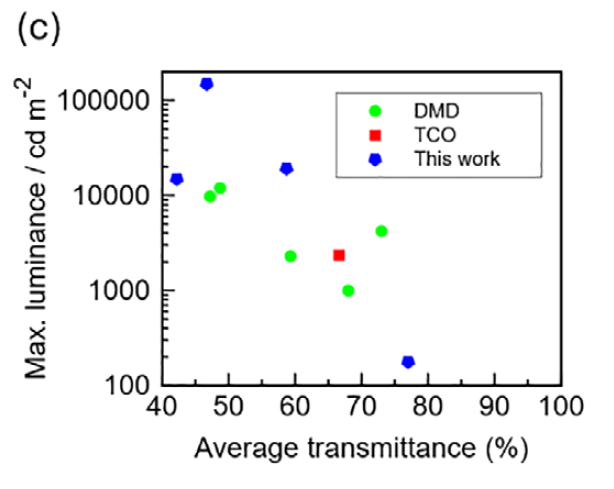
Highly Reliable and Transparent Al doped Ag Cathode Fabricated using Thermal Evaporation for Transparent OLED Applications

Min-Geun Song, Kwan-Soo Kim, Hye In Yang, Seong Keun Kim, Jae-Hyun Kim, Chang-Wook Han, Hyun-Chul Choi, Ramchandra Pode, Jang Hyuk Kwon

Organic Electronics 76, 105418 (2019)

https://doi.org/10.1016/j.orgel.2019.105418

Read More →
Impact of P3HT materials properties and layer architecture on OPV device stability

Rico Meitzner, Tobias Faber, Shahidul Alam, Aman Amand, Roland Roesch, Mathias Büttner, Felix Herrmann-Westendorf, Martin Presselt, Laura Ciammaruchi, Iris Visoly-Fisher, Sjoerd Veenstra, Amaia Diaz de Zerio, Xiaofeng Xu, Ergang Wang, Christian Müller, Pavel Troshin, Martin D. Hager, Sandra Köhn, Michal Dusza, Miron Krassas, Simon Züfle, E. Kymakis, Eugene A. Katz, Solenn Berson, Filip Granek, Matthieu Manceau, Francesca Brunetti, Giuseppina Polino, Ulrich S. Schubert, Monica Lira-Cantu, Harald Hoppe

Solar Energy Materials and Solar Cells 202, 110151 (2019)

https://doi.org/10.1016/j.solmat.2019.110151

Read More →
High performance from extraordinarily thick organic light-emitting diodes

Toshinori Matsushima, Fatima Bencheikh, Takeshi Komino, Matthew R. Leyden, Atula S. D. Sandanayaka, Chuanjiang Qin and Chihaya Adachi

Nature 572, 502 (2019)

https://doi.org/10.1038/s41586-019-1435-5

Abstract:

We show that extraordinarily thick OLEDs can be fabricated by using the organic–inorganic perovskite methylammonium lead chloride, CH3NH3PbCl3 (MAPbCl3), instead of organics as the transport layers. Because MAPbCl3 films have high carrier mobilities and are transparent to visible light, we were able to increase the total thickness of MAPbCl3 transport layers to 2,000 nanometres—more than ten times the thickness of standard OLEDs—without requiring high voltage or reducing either internal electroluminescence quantum efficiency or operational durability. These findings will contribute towards a higher production yield of high-quality OLEDs, which may be used for other organic devices, such as lasers, solar cells, memory devices and sensors.

Read More →
Vacuum-Deposited Organometallic Halide Perovskite Light-Emitting Devices

Kai-Ming Chiang, Bo-Wei Hsu, Yi-An Chang, Lin Yang, Wei-Lun Tsai, and Hao-Wu Lin

ACS Applied Materials & Interfaces 9, 40516 (2017)

https://doi.org/10.1021/acsami.7b12805

Abstract:
In this work, a sequential vacuum deposition process of bright, highly crystalline, and smooth methylammonium lead bromide and phenethylammonium lead bromide perovskite thin films are investigated and the first vacuum-deposited organometallic halide perovskite light-emitting devices (PeLEDs) are demonstrated. Exceptionally low refractive indices and extinction coefficients in the emission wavelength range are obtained for these films, which contributed to a high light out-coupling efficiency of the PeLEDs. By utilizing these perovskite thin films as emission layers, the vacuum-deposited PeLEDs exhibit a very narrow saturated green electroluminescence at 531 nm, with a spectral full width at half-maximum bandwidth of 18.6 nm, a promising brightness of up to 6200 cd/m2, a current efficiency of 1.3 cd/A, and an external quantum efficiency of 0.36%.

Read More →
Featured
Light conversion and scattering properties of QD films for display applications: Angle-resolved optical spectroscopy and numerical simulation

Balthasar Blülle, Stéphane Altazin, Bérengère Frouin, Lidia Stepanova, Sandra Jenatsch, Beat Ruhstaller

SID 2019 DIGEST 50, 407 (2019)

https://doi.org/10.1002/sdtp.13285

Abstract:
Quantum dot (QD) enhanced LCDs are among today’s best-inclass displays exhibiting high brightness and large color gamut. In this presentation we focus on the underlying key mechanism of the embedded QD films, the down-conversion of light, and explore the optical characteristics of a state-of-the-art perovskite QD film by measuring its down-converting properties as a function of the viewing angle. The good agreement of the experimental results with simulations of the QD film indicates that computer aided parameter optimization can be key tool for engineering QD displays.

Consistent Device Simulation Model Describing Perovskite Solar Cells in Steady-State, Transient, and Frequency Domain

Martin T. Neukom, Andreas Schiller, Simon Züfle, Evelyne Knapp, Jorge Ávila, Daniel Pérez-del-Rey, Chris Dreessen, Kassio P.S. Zanoni, Michele Sessolo, Henk J. Bolink, Beat Ruhstaller

ACS Applied Materials and Interfaces 11, 23320 (2019)

https://pubs.acs.org/doi/10.1021/acsami.9b04991

Abstract:
A variety of experiments on vacuum-deposited methylammonium lead iodide perovskite solar cells are presented, including JV curves with different scan rates, light intensity-dependent open-circuit voltage, impedance spectra, intensitymodulated photocurrent spectra, transient photocurrents, and transient voltage step responses. All these experimental data sets are successfully reproduced by a charge drift-diffusion simulation model incorporating mobile ions and charge traps using a single set of parameters. While previous modeling studies focused on a single experimental technique, we combine steady-state, transient, and frequency-domain simulations and measurements. Our study is an important step toward quantitative simulation of perovskite solar cells, leading to a deeper understanding of the physical effects in these materials. The analysis of the transient current upon voltage turn-on in the dark reveals that the charge injection properties of the interfaces are triggered by the accumulation of mobile ionic defects. We show that the current rise of voltage step experiments allow for conclusions about the recombination at the interface. Whether one or two mobile ionic species are used in the model has only a minor influence on the observed effects. A delayed current rise observed upon reversing the bias from +3 to -3 V in the dark cannot be reproduced yet by our drift-diffusion model. We speculate that a reversible chemical reaction of mobile ions with the contact material may be the cause of this effect, thus requiring a future model extension. A parameter variation is performed in order to understand the performance-limiting factors of the device under investigation.

Narrow Spectrum Deep Red Emitters for OLED Lighting and Display

Eric A. Margulies, Pierre-Luc T. Boudreault, Vadim I. Adamovich, Bert D. Alleyne, Michael S. Weaver, Julie J. Brown

SID 2019 DIGEST

https://doi.org/10.1002/sdtp.13072

Over 16% efficiency organic photovoltaic cells enabled by a chlorinated acceptor with increased open-circuit voltages

Yong Cui, Huifeng Yao, Jianqi Zhang, Tao Zhang, Yuming Wang, Ling Hong, Kaihu Xian, Bowei Xu, Shaoqing Zhang, Jing Peng, Zhixiang Wei, Feng Gao & Jianhui Hou

Nature Communications 10, 2515 (2019)

https://doi.org/10.1038/s41467-019-10351-5

Influence of the Bias-dependent Emission Zone on Exciton Quenching and OLED Efficiency

Markus Regnat, Kurt P. Pernstich, Beat Ruhstaller

Organic Electronics 70, 219-226 (2019)

https://doi.org/10.1016/j.orgel.2019.04.027

Abstract:
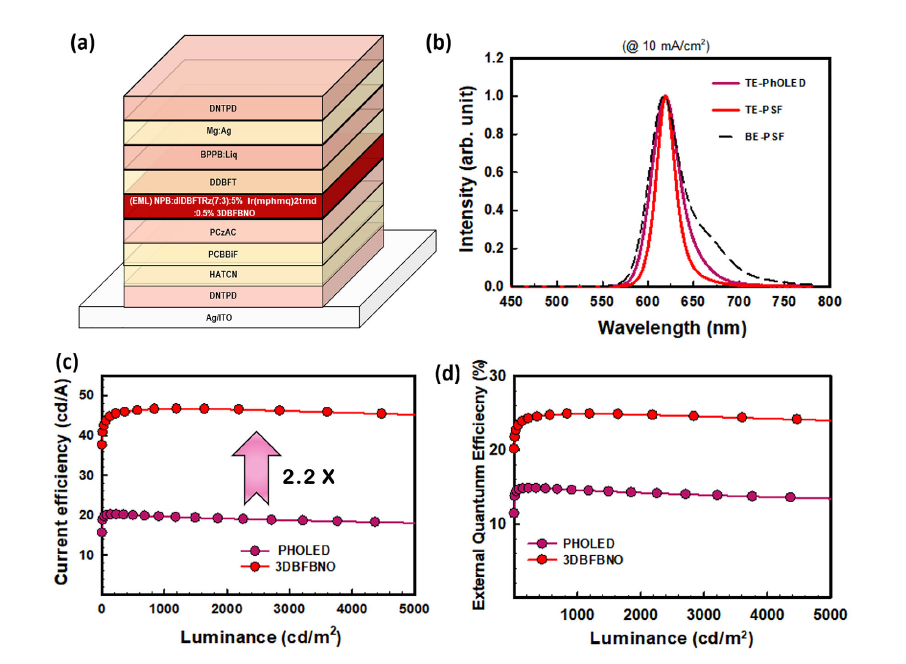
We present an electro-optical model of a three-layer phosphorescent OLED which accurately describes the measured current efficiency and transient electroluminescence decay for different biases. Central findings are a bias-dependent emission zone, which influences light outcoupling as well as exciton quenching, and the presence of strong triplet-polaron quenching even at low bias. The measured current efficiency initially increases up to 9 V before it decreases, where the increase is found to be caused by reduced triplet-polaron quenching with holes, while the decrease is caused by a reduced light outcoupling and increased triplet-triplet annihilation. The numerical model allows identifying the individual contributions of the exciton continuity equation and explains the electroluminescence decay, which deviates significantly from a mono-exponential decay due to the dominating influence of exciton generation and quenching after the external bias is removed.

Ultraviolet-protective thin film based on PVA–melanin/rod-coated silver nanowires and its application as a transparent capacitor

Luiz Gustavo Simão Albano, João Vitor Paulin, Luciana Daniele Trino, Silvia Leticia Fernandes, Carlos Frederico de Oliveira Graeff

Journal of Applied Polymer Science 136, 47805 (2019)

https://dx.doi.org/10.1002/APP.47805

Functional Pyrimidinyl Pyrazolate Pt(II) Complexes: Role of Nitrogen Atom in Tuning the Solid-State Stacking and Photophysics

Paramaguru Ganesan, Wen-Yi Hung, Jen-Yung Tso, Chang-Lun Ko, Tsai-Hui Wang, Po-Ting Chen, Hsiu-Fu Hsu, Shih-Hung Liu, Gene-Hsiang Lee, Pi-Tai Chou, Alex K.-Y. Jen and Yun Chi

Advanced Functional Materials 2019, 1900923

https://doi.org/10.1002/adfm.201900923

P3HT Molecular Weight Determines the Performance of P3HT:O-IDTBR Solar Cells

Jafar I. Khan, Raja S. Ashraf, Maha A. Alamoudi, Mohammed N. Nabi, Hamza N. Mohammed, Andrew Wadsworth, Yuliar Firdaus, Weimin Zhang, Thomas D. Anthopoulos, Iain McCulloch, Frédéric Laquai

Solar RRL (2019)

https://doi.org/10.1002/solr.201900023

Effect of Dipole Orientation on the Angular Emission Characteristic of a Three-Dimensional Top-Emitting Organic Light-Emitting Diode with Square Pixel Boundary

Kyungnam Kang and Jungho Kim

Journal of the Korean Physical Society 74, 649 (2019)

https://dx.doi.org/10.3938/jkps.74.649

Investigation of Organic LED Materials Using a Transparent Cathode for Improved Efficiency

Rita Rana and Rajesh Mehra

Journal of Electronic Materials (2019)

https://doi.org/10.1007/s11664-019-07221-7

Rational Strategy to Stabilize an Unstable High-Efficiency Binary Nonfullerene Organic Solar Cells with a Third Component

Youqin Zhu, Abay Gadisa, Zhengxing Peng, Masoud Ghasemi, Long Ye, Zheng Xu, Suling Zhao, and Harald Ade

Advanced Energy Materials 1900376 (2019)

https://doi.org/10.1002/aenm.201900376

Cyanopyrimidine−Carbazole Hybrid Host Materials for High- Efficiency and Low-Efficiency Roll-Off TADF OLEDs

Shu-Wei Li, Cheng-Hung Yu, Chang-Lun Ko, Tanmay Chatterjee, Wen-Yi Hung and Ken-Tsung Wong

ACS Appl. Mater. Interfaces 2018, 10, 12930−12936

https://doi.org/10.1021/acsami.8b02766

Key Parameters Requirements for Non-Fullerene-Based Organic Solar Cells with Power Conversion Efficiency >20%

Yuliar Firdaus, Vincent M. Le Corre, Jafar I. Khan, Zhipeng Kan, Frédéric Laquai, Pierre M. Beaujuge, and Thomas D. Anthopoulos

Advanced Science 1802028 (2019)

https://doi.org/10.1002/advs.201802028

Studies on Graphene Electrodes for Organic Light-emitting Diodes Application

Jin-Wook Shin

Dissertation, Tohoku University 2019

http://hdl.handle.net/10097/00125213

The Effect of the Charge-Transfer State Energy on Charge Generation Efficiency via Singlet Fission in Pentacene-Fullerene Solar Cells

Robin E. M. Willems, Stefan C.J. Meskers, Martijn M. Wienk, and René A. J. Janssen

J. Phys. Chem. C (2019)

https://dx.doi.org/10.1021/acs.jpcc.9b00568

An accurate measurement of the dipole orientation in various organic semiconductor films using photoluminescence exciton decay analysis

Ik Jang Ko, Hyuna Lee, Jin Hwan Park, Gyeong Woo Kim, Raju Lampande, Ramchandra Pode and Jang Hyuk Kwon

Phys. Chem. Chem. Phys. 21, 7083 (2019)

https://doi.org/10.1039/c9cp00965e

An Operando Study on the Photo-Stability of Non-Fullerene Organic Solar Cells

Jingyang Xiao, Minrun Ren, Guichuan Zhang, Jianbin Wang, Donglian Zhang, Linlin Liu, Ning Li, Christoph J. Brabec, Hin-Lap Yip and Yong Cao

Solar RRL 201900077 (2019)

https://doi.org/10.1002/solr.201900077

Modelling crosstalk through common semiconductor layers in AMOLED displays

Lieven Penninck, Matthias Diethelm, Stéphane Altazin, Roman Hiestand, Christoph Kirsch, Beat Ruhstaller

Journal of the SID 26, 546 (2018)

https://doi.org/10.1002/jsid.671

Improved Hole Injection in Bulk Heterojunction (BHJ) Hybrid Solar Cells by Applying a Thermally Reduced Graphene Oxide Buffer Layer

Alfian F. Madsuha, Chuyen Van Pham, Michael Eck, Martin Neukom, and Michael Krueger

Journal of Nanomaterials, Article ID 6095863 (2019)

https://doi.org/10.1155/2019/6095863

Modulation of recombination zone position for quasi-two-dimensional blue perovskite light-emitting diodes with efficiency exceeding 5%

Zhenchao Li, Ziming Chen, Yongchao Yang, Qifan Xue, Hin-Lap Yip and Yong Cao

Nature Communications 10:1027 (2019)

https://doi.org/10.1038/s41467-019-09011-5

Abstract:

In recent years, substantial progress has been made in developing perovskite light-emitting diodes with near-infrared, red and green emissions and over 20% external quantum efficiency. However, the development of perovskite light-emitting diodes with blue emission remains a great challenge, which retards further development of full-color displays and white-light illumination based on perovskite emissive materials. Here, firstly, through composition and dimensional engineering, we prepare quasi-two-dimensional perovskite thin films with improved blue emission, taking advantages of reduced trap density and enhanced photoluminescence quantum yield. Secondly, we find a vertically non-uniform distribution of perovskite crystals in the PEDOT:PSS/perovskite hybrid film. Through modulating the position of the recombination zone, we activate the majority of quasi-two-dimensional perovskite crystals, and thus demonstrate the most efficient blue perovskite light-emitting diode to date with emission peak at 480 nm, record luminance of 3780 cd m−2 and record external quantum efficiency of 5.7%.

Initial photo-degradation of PCDTBT:PC70BM solar cells studied under various illumination conditions: Role of the hole transport layer

Simon Züfle, Rickard Hansson, Eugene A. Katz, Ellen Moons

Solar Energy 183 (2019) 234–239

https://doi.org/10.1016/j.solener.2019.03.020

https://authors.elsevier.com/c/1YiXX,tRdATFb

Abstract:

Encapsulated organic solar cells often show a burn-in behaviour under illumination. This burn-in manifests itself as a rapid performance loss followed by a much slower progression of the degradation. Here we investigate the burn-in for PCDTBT:PC70BM solar cells under a wide range of illumination intensities. We find that increasing the sunlight concentration from 1 Sun to up to 100 Suns does not change the degradation behaviour, i.e. the dependence of all principal photovoltaic parameters on the dose of solar exposure (in Sun hours). This suggests that the degradation mechanisms under solar concentration (≤100 Suns) are the same as those observed under 1 Sun. This result makes it possible to use concentrated sunlight for accelerated stability assessment of these devices. We also find that devices with PEDOT:PSS as hole transport material show a rapid drop in open-circuit voltage of around 100 mV during the first Sun hour of light exposure. By replacing PEDOT:PSS with MoO3 this initial process can be prevented and only the much slower part of the photo-degradation takes place.

Dry-pressed anodized titania nanotube/CH3NH3PbI3 single crystal heterojunctions: The beneficial role of N doping

Jelena Vujančević, Pavao Andričević, Anđelika Bjelajac, Veljko Đokić, Maja Popović, Zlatko Rakočević, Endre Horváth, Márton Kollár, Bálint Náfrádi, Andreas Schiller, Kondrad Domanski, László Forró, Vera Pavlović, Đorđe Janaćković

Ceramics International 45,10013 (2019)

https://doi.org/10.1016/j.ceramint.2019.02.045

Abstract:
Highly ordered, anodically grown TiO2 nanotubes on titanium supports were annealed in ammonia atmosphere in order to incorporate nitrogen doping (. 2 at.%) in the titanium oxide lattice. FESEM micrographs revealed nanotubes with an average outer diameter of 101.5 ± 1.5 nm and an average wall thickness of about 13 nm. Anatase crystals were formed inside the tubes after annealing in ammonia atmosphere for 30 min. With further annealing, rutile peaks appeared due to the thermal oxidation of the foil and rise as the duration of heat treatment was increased. The concentration and chemical nature of nitrogen in the nanotube arrays can be correlated to the optical response of dry-pressed heterojunctions of doped TiO2/CH3NH3PbI3 single crystals. The N-TiO2/perovskite heterojunction with the highest amount of interstitial nitrogen exhibited an improved photocurrent, indicating the importance of the semiconductor doping-based heterojunction optimization strategies to deliver competitive levels of halide perovskite-based optoelectronic devices to be envisioned for urban infrastructures.

Solution-Processed Tin Oxide-PEDOT:PSS Interconnecting Layers for Efficient Inverted and Conventional Tandem Polymer Solar Cells

Dario Di Carlo Rasi, Pieter M. J. G. van Thiel, Haijun Bin, Koen H. Hendriks, Gaël H. L. Heintges, Martijn M. Wienk, Tim Becker, Yongfang Li, Thomas Riedl, and Rene A. J. Janssen

Solar RRL 2019, 1800366

https://doi.org/10.1002/solr.201800366

Isomeric spiro-[acridine-9,90-fluorene]-2,6- dipyridylpyrimidine based TADF emitters: insights into photophysical behaviors and OLED performances

Paramaguru Ganesan, Deng-Gao Chen, Jia-Ling Liao, Wei-Cheng Li, Yi-Ning Lai, Dian Luo, Chih-Hao Chang, Chang-Lun Ko, Wen-Yi Hung, Shun-Wei Liu, Gene-Hsiang Lee, Pi-Tai Chou and Yun Chi

J. Mater Chem. C, 2018, 6, 10088-10100

https://doi.org/10.1039/c8tc03645d

Effect of Carrier Balance on Device Degradation of Organic Light-Emitting Diodes Based on Thermally Activated Delayed Fluorescence Emitters

Masaki Tanaka, Hiroki Noda, Hajime Nakanotani, and Chihaya Adachi

Adv. Electron. Mater. 2019, 1800708

https://doi.org/10.1002/aelm.201800708

Abstract:

The relatively short device lifetime of blue organic light‐emitting diodes (OLEDs) when compared with the lifetimes of green and red OLEDs is one of the crucial problems that must be overcome to enable practical application of these devices to full‐color OLED displays. This work focuses on the degradation phenomena of OLEDs that are based on sky‐blue thermally activated delayed fluorescence emitters and clarifies the degradation mechanisms based on spectral change of the electroluminescence, which indicates the formation of electromer emission from an electron transport layer. Additionally, it is determined that the change in the carrier balance that occurs during this degradation process can be ascribed to the formation of electron traps.

Plausible degradation mechanisms in organic light-emitting diodes

Jwo-Huei Jou, You-Ting Lin, Yu-Ting Su, Wei-Chi Song, Shiv Kumar, Deepak Kumar Dubey, Jing-Jong Shyue, Hsun-Yun Chang, Yun-Wen You, Tzu-Wei Liang

Organic Electronics 67 (2019) 222

https://doi.org/10.1016/j.orgel.2019.01.035

Cascade-Type Electron Extraction Design for Efficient Low-Bandgap Perovskite Solar Cells Based on Conventional Structure with Suppressed Open-Circuit Voltage Loss

Meiyue Liu, Ziming Chen, Zhen Chen, Hin-lap Yip and Yong Cao

Mater. Chem. Front., 2019

https://doi.org/10.1039/C8QM00620B

Abstract:
The tandem architecture for perovskite solar cells has proven successful in promoting the development of such cells. A low-bandgap perovskite solar cell, which typically acts as a back cell, is one of the critical components for tandem perovskite solar cells. However, nowadays, highly efficient low-bandgap perovskite solar cells are mostly based on the inverted structure, which restricts the development of conventional perovskite tandem cells. Therefore, efficient low-bandgap perovskite solar cells based on the conventional structure need to be developed to further extend the availability of device architectures and interfacial materials for tandem cells. Here, by modifying the electron transport materials, we successfully demonstrated an efficient low-bandgap perovskite solar cell based on conventional structure. A ZnO/SnO2/C60-SAM tri-layer was used to engineer the energy level alignment of electron transport layers to reduce the energy loss occurring at the interface and simultaneously suppress the interfacial recombination and improve the charge extraction, resulting in a reduced open-circuit voltage loss for the device. Finally, our low-bandgap perovskite solar cells achieved a power conversion efficiency of 13.8%, which is the record result for conventional device structures to date.

Enhanced JSC of P3HT-based non-fullerene polymer solar cells by modulating aggregation effect of P3HT in solution state

Chenyi Yang, Ningning Liang, Long Ye, Harald Ade, Xiaotao Yuan, Jianhui Hou

Organic Electronics 68 (2019) 15

https://doi.org/10.1016/j.orgel.2019.01.047

Enhanced Electroluminescence from Organic Light-Emitting Diodes with an Organic–Inorganic Perovskite Host Layer

Toshinori Matsushima, Chuanjiang Qin, Kenichi Goushi, Fatima Bencheikh, Takeshi Komino, Matthew Leyden, Atula S. D. Sandanayaka, and Chihaya Adachi

Adv. Mater. 2018, 1802662

https://doi.org/10.1002/adma.201802662

Abstract:
The development of host materials with high performance is essential for fabrication of efficient and stable organic light-emitting diodes (OLEDs). Although host materials used in OLEDs are typically organics, in this study, it is shown that the organic–inorganic perovskite CH3NH3PbCl3 (MAPbCl3) can be used as a host layer for OLEDs. Vacuum-evaporated MAPbCl3 films have a wide band gap of about 3 eV and very high and relatively balanced hole and electron mobilities, which are suitable for the host material. Photoluminescence and electroluminescence take place through energy transfer from MAPbCl3 to an organic emitter in films. Incorporation of an MAPbCl3 host layer into OLEDs leads to a reduction of driving voltage and enhancement of external quantum efficiency as compared to devices with a conventional organic host layer. Additionally, OLEDs with an MAPbCl3 host layer demonstrate very good operational stability under continuous current operation. These results can be extensively applied to organic- and perovskite-based optoelectronics.

Featured
Optimized Electrolyte Loading and Active Film Thickness for Sandwich Polymer Light-Emitting Electrochemical Cells

Matthias Diethelm, Quirin Grossmann, Andreas Schiller, Evelyne Knapp, Sandra Jenatsch, Maciej Kawecki, Frank Nüesch, and Roland Hany

Adv. Optical Mater. 2018, 1801278

https://doi.org/10.1002/adom.201801278

Abstract:
Effects of ion concentration and active layer thickness play a critical role on the performance of light-emitting electrochemical cells. Expanding on a pioneering materials system comprising the super yellow (SY) polymer and the electrolyte trimethylolpropane ethoxylate (TMPE)/Li+CF3SO3 -, it is reported that a slightly lowered salt concentration and layer thickness result in a substantial efficiency increase, and that this increase is confined to a narrow concentration and thickness range. For a film thickness of 70 nm, a blend ratio SY:TMPE:Li+CF3SO3 - = 1:0.075:0.0225, and a current of 7.7 mA cm-2 the current efficacy is 11.6 cd A-1, on a par with SY light-emitting diodes. The optimized salt content can be explained by increased exciton quenching at higher concentrations and hindered carrier injection and conduction at lower concentrations, while the optical dependence on the layer thickness is due to weak microcavity effects. A comprehensive optical modeling study is presented, which includes the doping-induced changes of the refractive indices and self-absorption losses due the emission–absorption overlap of intrinsic and doped SY. The analysis indicates either a thickness-independent emitter position (EP) close to the anode or a thickness-dependent EP, shifted to the cathode for increased thicknesses.

Carrier Transport and Recombination in Efficient “All-Small- Molecule” Solar Cells with the Nonfullerene Acceptor IDTBR

Ru-Ze Liang, Maxime Babics, Victoria Savikhin, Weimin Zhang, Vincent M. Le Corre, Sergei Lopatin, Zhipeng Kan, Yuliar Firdaus, Shengjian Liu, Iain McCulloch, Michael F. Toney, and Pierre M. Beaujuge

Adv. Energy Mater. 2018, 8, 1800264

https://doi.org/10.1002/aenm.201800264

Simple molecular-engineering approach for enhancing orientation and out-coupling efficiency of thermally activated delayed fluorescent emitters without red-shifting emission

Yi-Ting Lee, Po-Chen Tseng, Takeshi Komino, Masashi Mamada, Ruby Janet Ortiz, Man-Kit Leung, Tien-Lung Chiu, Chi-Feng Lin, Jiun-Haw Lee, Chihaya Adachi, Chao-Tsen Chen, and Chin-Ti Chen

ACS Appl. Mater. Interfaces, 2018

https://doi.org/10.1021/acsami.8b16199

Alkanedihalides additives for morphology control of PTB7:PC71BM-based polymer solar cells

Yingying Zhang, Xiong Li, Denghui Xu, Fanwen Meng, Rong Hu, Jia Zhao

Surface & Coatings Technology, 2018

https://doi.org/10.1016/j.surfcoat.2018.11.074

Design of Tandem Organic Light Emitting Diode using efficient charge generation layer

Akanksha Jetly, Rajesh Mehra

Optical Materials 88, 304 (2019)

https://doi.org/10.1016/j.optmat.2018.11.051

Epitaxial thin films as a model system for Li-ion conductivity in Li4Ti5O12

Francesco Pagani, Evelyn Stilp, Reto Pfenninger, Eduardo Cuervo Reyes, Arndt Remhof, Zoltan Balogh-Michels, Antonia Neels, Jordi Sastre-Pellicer, Michael Stiefel, Max Döbeli, Marta D Rossell, Rolf Erni, Jennifer L.M. Rupp, and Corsin Battaglia

ACS Appl. Mater. Interfaces, 2018

https://doi.org/10.1021/acsami.8b16519

Abstract:

Using an epitaxial thin-film model system deposited by pulsed laser deposition (PLD), we study the Li-ion conductivity in Li4Ti5O12, a common anode material for Li-ion batteries. Epitaxy, phase purity, and film composition across the film thickness are verified employing out-of-plane and in-plane X-ray diffraction, transmission electron microscopy, time-of-flight mass spectrometry, and elastic recoil detection analysis. We find that epitaxial Li4Ti5O12 behaves like an ideal ionic conductor that is well described by a parallel RC equivalent circuit, with an ionic conductivity of 2.5 × 10⁻⁵ S/cm at 230 °C and an activation energy of 0.79 eV in the measured temperature range of 205 to 350 °C. Differently, in a co-deposited polycrystalline Li4Ti5O12 thin film with an average in-plane grain size of <10 nm, a more complex behavior with contributions from two distinct processes is observed. Ultimately, epitaxial Li4Ti5O12 thin films can be grown by PLD and reveal suitable transport properties for further implementation as zero-strain and grain boundary free anodes in future solid-state microbattery designs.

Back Migration Based Long Lifetime Approach for Organic Light-Emitting Diode

Jwo-Huei Jou, Tzu-Chieh Tai, Yu-Ting Su, Hui-Huan Yu, Chi-Heng Chiang, Sudam D. Chavhan, You-Ting Lin, Jing-Jong Shyue, and Tzu-Wei Liang

Physica status solidi A, 2018

https://doi.org/10.1002/pssa.201800390

Multi-length Scale Morphology of Nonfullerene All-Small Molecule Blends and Its Relation to Device Function in Organic Solar Cells

Indunil Angunawela, Long Ye, Haijun Bin, Zhi-Guo Zhang, Abay Gadisa, Yongfang Li and Harald Ade

Materials Chemistry Frontiers, 2018

https://doi.org/10.1039/C8QM00503F

Hybrid Tandem Quantum Dot/Organic Solar Cells with Enhanced Photocurrent and Efficiency via Ink and Interlayer Engineering

Taesoo Kim, Yuliar Firdaus, Ahmad R. Kirmani, Ru-Ze Liang, Hanlin Hu, Mengxia Liu, Abdulrahman El Labban, Sjoerd Hoogland, Pierre M. Beaujuge, Edward H. Sargent, and Aram Amassian

ACS Energy Letters 3, 1307 (2018)

https://doi.org/10.1021/acsenergylett.8b00460

Revealing the Impact of F4-TCNQ as Additive on Morphology and Performance of High-Efficiency Nonfullerene Organic Solar Cells

Yuan Xiong, Long Ye, Abay Gadisa, Qianqian Zhang, Jeromy James Rech, Wei You, and Harald Ade

Advanced Functional Materials 2018, 1806262

https://doi.org/10.1002/adfm.201806262

Interfacial Dynamics and Contact Passivation in Perovskite Solar Cells

Michele De Bastiani, Erkan Aydin, Thomas Allen, Daniel Walter, Andreas Fell, Jun Peng, Nicola Gasparini, Joel Troughton, Derya Baran, Klaus Weber, Thomas P. White, and Stefaan De Wolf

Advanced Electronic Materials 2018, 1800500

https://doi.org/10.1002/aelm.201800500

Abstract:
Charge accumulation at the electron and hole transport layers generates anomalous electrical behavior in perovskite solar cells (PSCs). Hysteresis in the current–voltage characteristic and recombination at the interfaces are the clearest manifestations of this phenomenon, which compromises device performance and stability. Here, the underlying charge-carrier dynamics of a variety of PSCs are investigated by analyzing their transient photocurrent response. Towards shorter time scales, PSCs often show increasingly severe hysteretic responses. This phenomenon is correlated with the presence of interfacial accumulated charges that hinders the photogenerated carrier extraction process. However, introducing passivating contacts improves the carrier-injection properties and the devices become completely hysteresis free. These results underline the importance of contact passivation for PSCs and the need to further develop new passivating interlayers that simultaneously eliminate charge-carrier recombination and provide selective transport for each carrier type at the PSC’s contacts.

Refined drift-diffusion model for the simulation of charge transport across layer interfaces in organic semiconductor devices

S. Altazin, C. Kirsch, E. Knapp, A. Stous, and B. Ruhstaller

Journal of Applied Physics 124, 135501 (2018)

https://doi.org/10.1063/1.5043245

Abstract:
We present a new approach to simulate the transport of charges across organic/organic layer interfaces in organic semiconductor devices. This approach combines the drift-diffusion formalism away from the interface with a hopping description of the charge transport in the vicinity of the interface. It has been implemented in the commercial software SETFOS allowing for fast simulations of the complete device. This new model takes into account both recombination and generation mechanisms across the interface enabling the modeling of charge-generation/recombination interfaces for the numerical simulation of tandem devices. Using this approach, it is also possible to simulate devices using 1,4,5,8,9,11-Hexaazatriphenylenehexacarbonitrile as a hole-injection layer. This particular material has a very deep HOMO level (approximately 9.5 eV), which would seemingly prevent such a layer to be used as a hole-injection material in the framework of traditional drift-diffusion models.

Theoretical comparison of the excitation efficiency of waveguide and surface plasmon modes between quantum-mechanical and electromagnetic optical models of organic light-emitting diodes

Kyungnam Kang, Kyoung-Youm Kim, and Jungho Kim

Optics Express 26, A955 (2018)

https://doi.org/10.1364/OE.26.00A955

Efficient Tandem Organic Light Emitting Diode Using Organic Photovoltaic Charge Generation Layer

Akanksha Jetly and RajeshMehra

International Journal of Optics

Volume 2018, Article ID 9458530

https://doi.org/10.1155/2018/9458530

Featured
Challenging Conventional Wisdom: Finding High-Performance Electrodes for Light-Emitting Electrochemical Cells

Jin Xu, Andreas Sandström, Erik Mattias Lindh, Wei Yang, Shi Tang, and Ludvig Edman

ACS Appl. Mater. Interf., 2018. 10 , 33380

https://doi.org/10.1021/acsami.8b13036

Outcoupling Technologies: Concepts, Simulation, and Implementation

Stéphane Altazin, Lieven Penninck, and Beat Ruhstaller

Handbook of Organic Light-Emitting Diodes, Springer Nature 2018

https://doi.org/10.1007/978-4-431-55761-6_21-1

Quantitative analysis of charge transport in intrinsic and doped organic semiconductors combining steady-state and frequency-domain data

S. Jenatsch, S. Altazin, P.-A. Will, M. T. Neukom, E. Knapp, S. Züfle, S. Lenk, S. Reineke, and B. Ruhstaller

Journal of Applied Physics 124, 105501 (2018)

https://doi.org/10.1063/1.5044494

Abstract:
Single-carrier devices are an excellent model system to study charge injection and charge transport properties of (doped) transport layers and to draw conclusions about organic electronics devices in which they are used. By combining steady-state and impedance measurements at varying temperatures of hole-only devices with different intrinsic layer thicknesses, we are able to determine all relevant material parameters, such as the charge mobility and the injection barrier. Furthermore, the correlation and sensitivity analyses reveal that the proposed approach to study these devices is especially well suited to extract the effective doping density, a parameter which cannot be easily determined otherwise. The effective doping density is crucial in organic light-emitting diodes (OLEDs) for realizing efficient injection, charge balance, and lateral conductivity in display or lighting applications. With the fitted drift-diffusion device model, we are further able to explain the extraordinary two-plateau capacitance–frequency curve of these hole-only devices, which originates from charges that flow into the intrinsic layer at zero applied offset voltage. We demonstrate that the observation of this behaviour is a direct indication for ideal charge injection properties and the observed capacitance–frequency feature is linked to the charge carrier mobility in the intrinsic layer. The extracted material parameters may directly be used to simulate and optimize full OLED devices employing the investigated hole-injection and -transport materials.

Analysis of the bias-dependent split emission zone in phosphorescent OLEDs

Markus Regnat, Kurt P. Pernstich, Simon Züfle, and Beat Ruhstaller

ACS Applied Materials & Interfaces 10,31552 (2018)

https://doi.org/10.1021/acsami.8b09595

Abstract:
From s-polarized, angle-dependent measurements of the electroluminescence spectra in a three-layer phosphorescent organic light-emitting diode, we calculate the exciton distribution inside the 35 nm thick emission layer. The shape of the exciton profile changes with the applied bias due to differing field dependencies of the electron and hole mobilities. A split emission zone with high exciton densities at both sides of the emission layer is obtained, which is explained by the presence of energy barriers and similar electron and hole mobilities. A peak in the transient electroluminescence signal after turn-off and the application of a reverse bias is identified as a signature of a split emission zone.

Quadruple Junction Polymer Solar Cells with Four Complementary Absorber Layers

Dario Di Carlo Rasi, Koen H. Hendriks, Martijn M. Wienk, and René A. J. Janssen

Advanced Materials, 2018, 1803836

https://doi.org/10.1002/adma.201803836

Abstract:

A monolithic two-terminal solution-processed quadruple junction polymer solar cell in an n–i–p (inverted) configuration with four complementary polymer:fullerene active bulk-heterojunction layers is presented. The subcells possess different optical bandgaps ranging from 1.90 to 1.13 eV. Optical modeling using the transfer matrix formalism enables prediction of the fraction of absorbed photons from sunlight in each subcell and determine the optimal combination of layer thicknesses. The quadruple junction cell features an open-circuit voltage of 2.45 V and has a power conversion efficiency of 7.6%, only slightly less than the modeled value of 8.2%. The external quantum efficiency spectrum, determined with appropriate light and voltage bias conditions, exhibits in general an excellent agreement with modeled spectrum. The device performance is presently limited by bimolecular recombination, which prevents using thick photoactive layers that could absorb light more efficiently.

Improvement of Colour Gamut in Bottom-Emission Organic Light-Emitting Diodes Using Micro-Cavity Structure Embedded Cathodes

Hyunkoo Lee, Jonghee Lee, Jeong-Ik Lee and Nam Sung Cho

Electronics 7,155 (2018)

https://doi.org/10.3390/electronics7090155

Non-linear relation between emissive dipole orientation and forward luminous efficiency of top-emitting organic light-emitting diodes

Hyunsu Cho, Chul Woong Joo, Byoung-Hwa Kwon, Nam Sung Cho, Jonghee Lee

Organic Electronics 62, 72 (2018)

https://doi.org/10.1016/j.orgel.2018.07.016

Determination of charge transport activation energy and injection barrier in organic semiconductor devices

S. Züfle, S. Altazin, A. Hofmann, L. Jäger, M. T. Neukom, W. Brütting, and B. Ruhstaller

J. Appl. Phys. 122, 115502, 2017.

https://dx.doi.org/10.1063/1.4992041

Abstract:
Charge carrier transport in organic semiconductor devices is thermally activated with characteristic activation energies in the range of 0.2–0.6 eV, leading to strongly temperature-dependent behaviour. For designing efficient organic semiconductor materials and devices, it is therefore indispensable to understand the origin of these activation energies. We propose that in bilayer organic light-emitting diodes (OLEDs) employing a polar electron transport layer, as well as in metal-insulator-semiconductor (MIS) devices, the hole injection barrier Einj and the hole mobility activation energy El can be decoupled from each other if temperature-dependent capacitancefrequency (C-f-T) and MIS-CELIV (charge extraction by linearly increasing voltage) experiments are combined. While the C-f-T signal contains information of both injection and transport, the CELIV current is expected to be insensitive to the electrode injection properties. We employ numerical drift-diffusion simulations to investigate the accuracy of this analytical parameter extraction approach and to develop criteria for its validity. We show that the implicit assumption of constant charge density and field profiles leads to systematic errors in determining the activation energies. Thus, one should be aware of the intrinsic limitations of the analytical Arrhenius fit, and for more accurate parameter determination a full drift-diffusion modelling is advised. Applying the analytical method to a standard bilayer OLED, we find that the total activation energy of 0.5 eV for the hole current can be split into contributions of 0.25 eV each for injection barrier and mobility. Finally, we also discuss the broader applicability of this method for other device stacks and material combinations.

Investigation of charge transporting layers for high efficiency organic light-emitting diode

Jwo-Huei Jou, Jia-Wei Weng, Sudam Dhudaku Chavhan, Rohit Ashok Kumar Yadav, Tzu-Wei Liang

Journal of Physics D 51 (45), 454002 (2018)

https://doi.org/10.1088/1361-6463/aad951

Strong microcavity effects in hybrid quantum dot/blue organic light-emitting diodes using Ag based electrode

Jung Hyuk Im, Kyung-Tae Kang, Jong Sun Choi and Kwan Hyun Cho

Journal of Luminescence 203, 540 (2018)

https://doi.org/10.1016/j.jlumin.2018.07.011

Over 100-nm-Thick MoOx Films with Superior Hole Collection and Transport Properties for Organic Solar Cells

Bei Yang, Yu Chen, Yong Cui, Delong Liu, Bowei Xu and Jianhui Hou

Adv. Energy Mater. 2018, 8, 1800698

https://doi.org/10.1002/aenm.201800698

Effect of dielectric character of electron transporting materials on the performance of organic light-emitting diodes

Rohit Ashok Kumar Yadav, Deepak Kumar Dubey, Sun-Zen Chen, Sujith Sudheendran Swayamprabha, Tzu-Wei Liang, Jwo-Huei Jou

MRS Advances, 2018, 3, 3445

https://doi.org/10.1557/adv.2018.365

Effect of Donor-Acceptor Vertical Composition Profile on Performance of Organic Bulk Heterojunction Solar Cells

Sheng Bi, Zhongliang Ouyang, Shoieb Shaik and Dawen Li

Scientific Reports 8, 9574 (2018)

https://doi.org/10.1038/s41598-018-27868-2

Theoretical perspective to light outcoupling and management in perovskite light-emitting diodes

Shuai-Shuai Meng, Yan-Qing Li and Jian-Xin Tang

Organic Electronics 61, 351 (2018)

https://doi.org/10.1016/j.orgel.2018.06.014

Stability of organic solar cells with PCDTBT donor polymer: An interlaboratory study

Laura Ciammaruchi et al.

Journal of Materials Research 33 (13), pp. 1909-1924 (2018)

https://doi.org/10.1557/jmr.2018.163

Realization of RGB colors from top-emitting white OLED by electron beam patterning

Elisabeth Bodenstein, Matthias Schober, Marie Hoffmann, Christoph Metzner, Uwe Vogel

Journal of the SID, 2018 , 26, 555

DOI:10.1002/jsid.674

Ni–Al–Cr superalloy as high temperature cathode current collector for advanced thin film Li batteries

Alejandro N. Filippin, Tzu-Ying Lin, Michael Rawlence, Tanja Zünd, Kostiantyn Kravchyk, Jordi Sastre-Pellicer, Stefan G. Haass, Aneliia Wäckerlin, Maksym V. Kovalenkoab and Stephan Buecheler

RSC Adv., 2018, 8, 20304

DOI: 10.1039/C8RA02461H

PDF

Abstract:

To obtain full advantage of state-of-the-art solid-state lithium-based batteries, produced by sequential deposition of high voltage cathodes and promising oxide-based electrolytes, the current collector must withstand high temperatures (>600 °C) in oxygen atmosphere. This imposes severe restrictions on the choice of materials for the first layer, usually the cathode current collector. It not only must be electrochemically stable at high voltage, but also remain conductive upon deposition and annealing of the subsequent layers without presenting a strong diffusion of its constituent elements into the cathode. A novel cathode current collector based on a Ni–Al–Cr superalloy with target composition Ni0.72Al0.18Cr0.10 is presented here. The suitability of this superalloy as a high voltage current collector was verified by determining its electrochemical stability at high voltage by crystallizing and cycling of LiCoO2 directly onto it.

Opto-electronic characterization of third-generation solar cells

Martin Neukom, Simon Züfle, Sandra Jenatsch, Beat Ruhstaller

Science Tech. Adv. Mater., 2018, 19, 291

Download PDF

Download Supplemental Information (PDF)

DOI: 10.1080/14686996.2018.1442091

Abstract:
We present an overview of opto-electronic characterization techniques for solar cells including light-induced charge extraction by linearly increasing voltage, impedance spectroscopy, transient photovoltage, charge extraction and more. Guidelines for the interpretation of experimental results are derived based on charge drift-diffusion simulations of solar cells with common performance limitations. It is investigated how nonidealities like charge injection barriers, traps and low mobilities among others manifest themselves in each of the studied cell characterization techniques. Moreover, comprehensive parameter extraction for an organic bulk-heterojunction solar cell comprising PCDTBT:PC70BM is demonstrated. The simulations reproduce measured results of 9 different experimental techniques. Parameter correlation is minimized due to the combination of various techniques. Thereby a route to comprehensive and accurate parameter extraction is identified.

Dynamics of Charge Distribution in Sandwich-Type Light Emitting Electrochemical Cells Probed by the Stark Effect

Andrius Devižis, Sandra Jenatsch, Matthias Diethelm, Vidmantas Gulbinas, Frank Nüesch, Roland Hany

ACS Photonics, 2018, 5 (8), pp 3124-3131

DOI: 10.1021/acsphotonics.8b00358

Vacuum-deposited MoO3/Ag/WO3 multilayered electrode for highly efficient transparent and inverted organic light-emitting diodes

Tzu-Hung Yeh, Chih-Chien Lee, Chun-Jen Shih, Gautham Kumar, Sajal Biring, Shun-Wei Liu

Organic Electronics 59, 266 (2018)

https://doi.org/10.1016/j.orgel.2018.05.014

Design of perovskite/crystalline-silicon monolithic tandem solar cells

S. Altazin, L. Stepanova, J. Werner, B. Niesen, C. Ballif, and B. Ruhstaller

Optics Express 26, A579 (2018)

https://doi.org/10.1364/OE.26.00A579

Abstract:
We present an optical model implemented in the commercial software SETFOS 4.6 for simulating perovskite/silicon monolithic tandem solar cells that exploit light scattering structures. In a first step we validate the model with experimental data of tandem solar cells that either use front- or rear-side textures and extract the internal quantum efficiency of the methyl-ammonium lead iodide (MALI) perovskite sub-cell. In a next step, the software is used to investigate the potential of different device architectures featuring a monolithic integration between the perovskite and silicon sub-cells and exploiting rear- as well as front-side textures for improved light harvesting. We find that, considering the available contact materials, the p-i-n solar cell architecture is the most promising with respect to achievable photocurrent for both flat and textured wafers. Finally, cesium-formamidinium-based perovskite materials with several bandgaps were synthetized, optically characterized and their potential in a tandem device was quantified by simulations. For the simulated layer stack and among the tested materials with bandgaps of 1.7 and 1.6 eV, the one with 1.6 eV bandgap was found to be the most promising, with a potential of reaching a power conversion efficiency of 31%. In order to achieve higher efficiencies using higher band-gap materials, parasitic absorptance in the blue spectral range should be further reduced.

A Universal Route to Fabricate n-i-p Multi-Junction Polymer Solar Cells via Solution Processing

Dario Di Carlo Rasi, Koen H. Hendriks, Gaël H. L. Heintges, Giulio Simone, Gerwin H. Gelinck, Veronique S. Gevaerts, Ronn Andriessen, Geert Pirotte,Wouter Maes, Weiwei Li, Martijn M. Wienk, and René A. J. Janssen

Sol. RRL, 2018, 2, 1800018

DOI: 10.1002/solr.201800018

The use of charge extraction by linearly increasing voltage in polar organic light-emitting diodes

Simon Züfle, Stéphane Altazin, Alexander Hofmann, Lars Jäger, Martin T. Neukom, Tobias D. Schmidt, Wolfgang Brütting, Beat Ruhstaller,

J. Appl. Phys. 121, 175501, 2017.

http://dx.doi.org/10.1063/1.4982903

Abstract:
We demonstrate the application of the CELIV (charge carrier extraction by linearly increasing voltage) technique to bilayer organic light-emitting devices (OLEDs) in order to selectively determine the hole mobility in N,N0-bis(1-naphthyl)-N,N0-diphenyl-1,10-biphenyl-4,40-diamine (a-NPD). In the CELIV technique, mobile charges in the active layer are extracted by applying a negative voltage ramp, leading to a peak superimposed to the measured displacement current whose temporal position is related to the charge carrier mobility. In fully operating devices, however, bipolar carrier transport and recombination complicate the analysis of CELIV transients as well as the assignment of the extracted mobility value to one charge carrier species. This has motivated a new approach of fabricating dedicated metal-insulator-semiconductor (MIS) devices, where the extraction current contains signatures of only one charge carrier type. In this work, we show that the MIS-CELIV concept can be employed in bilayer polar OLEDs as well, which are easy to fabricate using most common electron transport layers (ETLs), like Tris-(8-hydroxyquinoline)aluminum (Alq3). Due to the macroscopic polarization of the ETL, holes are already injected into the hole transport layer below the built-in voltage and accumulate at the internal interface with the ETL. This way, by a standard CELIV experiment only holes will be extracted, allowing us to determine their mobility. The approach can be established as a powerful way of selectively measuring charge mobilities in new materials in a standard device configuration.

Squaraine Dye for a Visibly Transparent All-Organic Optical Upconversion Device with Sensitivity at 1000 nm

Karen Strassel, Adrian Kaiser, Sandra Jenatsch, Anna C. Véron, Surendra B. Anantharaman, Erwin Hack, Matthias Diethelm, Frank Nüesch, Rian Aderne, Cristiano Legnani, Sergii Yakunin, Marco Cremona, and Roland Hany

ACS Appl. Mater. Interf., 2018, 10, 11063

DOI: 10.1021/acsami.8b00047

Manipulating Refractive Index in Organic Light-Emitting Diodes

Amin Salehi, Ying Chen, Xiangyu Fu, Cheng Peng, and Franky So

ACS Appl. Mater. Interf., 2018, 10, 9595

https://pubs.acs.org/doi/10.1021/acsami.7b18514

Enhanced device performances of a new inverted top-emitting OLEDs with relatively thick Ag electrode

So-Ra Park and Min Chul Suh

Optics Express, 2018, 26, 4979

https://doi.org/10.1364/OE.26.004979

Featured
Long-lived efficient delayed fluorescence organic light-emitting diodes using n-type hosts

Lin-Song Cui, Shi-Bin Ruan, Fatima Bencheikh, Ryo Nagata, Lei Zhang, Ko Inada, Hajime Nakanotani, Liang-Sheng Liao & Chihaya Adachi

Nature Communications, 2017, 8, 2250

DOI: 10.1038/s41467-017-02419-x

Transparent Electrodes for Efficient Optoelectronics

Monica Morales-Masis, Stefaan De Wolf, Rachel Woods-Robinson, Joel W. Ager, and Christophe Ballif

Adv. Electron. Mater. 2017, 1600529

https://dx.doi.org/10.1002/aelm.201600529

Organic Salt Semiconductor with High Photoconductivity and Long Carrier Lifetime

Lei Wang, Sandra Jenatsch, Beat Ruhstaller, Christian Hinderling, Donatas Gesevicius, Roland Hany, and Frank Nüesch

Advanced Functional Materials 28,1705724 (2018)

DOI: 10.1002/adfm.201705724

Quantitative analysis of pixel crosstalk in AMOLED displays

Matthias Diethelm, Lieven Penninck, Stéphane Altazin, Roman Hiestand, Christoph Kirsch & Beat Ruhstaller

Journal of Information Display, 2018, 19, 61

DOI: 10.1080/15980316.2018.1428232

Abstract:
The resolution of organic light-emitting diode (OLED) displays is increasing steadily as these displays are adopted for mobile and virtual reality (VR) devices. This leads to a stronger pixel crosstalk effect, where the neighbors of active pixels unintentionally emit light due to a lateral electric current between the pixels. Recently, the crosstalk was quantified by measuring the current flowing through the common hole transport layer between the neighboring pixels and comparing it to the current through the active pixel diode [S.-K. Kwon, K.-S. Kim, H.-C. Choi and J. H. Kwon, presented at the International Meeting on Information Display, Jeju, South Korea, 2016]. The measurements showed that the crosstalk is more crucial for low light levels. In such cases, the intended and parasitic currents are similar. The simulations performed in this study validated these measurement results. By simulations, we quantify the crosstalk current through the diode. The luminous intensity can be calculated with the measured current efficiency of the diodes. For low light levels, the unintended luminance can reach up to 40% of the intended luminance. The luminance due to pixel crosstalk is perceivable by humans. This effect should be considered for OLED displays with resolutions higher than 300 PPI.

Why perovskite solar cells with high efficiency show small IV-curve hysteresis

Martin Thomas Neukom, Simon Züfle, Evelyne Knapp, Mohammed Makha, Roland Hany, Beat Ruhstaller

Solar Energy Materials and Solar Cells 169 (2017) 159–166

http://dx.doi.org/10.1016/j.solmat.2017.05.021

Abstract:
There is increasing evidence that the presence of mobile ions in perovskite solar cells can cause a current-voltage curve hysteresis. However, it is still subject of ongoing debates how exactly mobile ions influence the device operation. We use drift-diffusion simulations incorporating mobile ions to describe IV-curves of preconditioned methylammonium lead iodide perovskite solar cells and compare them with experimental results. Our simulation results show that the hysteresis depends on the extent of surface recombination and on the diffusion length of charge carriers. We provide a detailed explanation for the reduced hysteresis of perovskite solar cells with high power conversion efficiencies. We find that in high-efficiency solar cells ion migration is still present, but does not cause a hysteresis effect. In these devices charge extraction is mainly driven by diffusion of free electrons and holes.

High-efficiency electroluminescence and amplified spontaneous emission from a thermally activated delayed fluorescent near-infrared emitter

Dae-Hyeon Kim, Anthony D’Aléo, Xian-Kai Chen, Atula D. S. Sandanayaka, Dandan Yao, Li Zhao, Takeshi Komino, Elena Zaborova, Gabriel Canard, Youichi Tsuchiya, Eunyoung Choi, Jeong Weon Wu, Frédéric Fages, Jean-Luc Brédas, Jean-Charles Ribierre and Chihaya Adachi

Nature Photonics, Vol. 12, February 2018. p. 98–104

https://doi.org/10.1038/s41566-017-0087-y

Time-dependent p-i-n structure and emission zone in sandwich-type light-emitting electrochemical cells

Sandra Jenatsch, Markus Regnat, Roland Hany, Matthias Diethelm, Frank Alain Nüesch, and Beat Ruhstaller

ACS Photonics 5, 1591 (2018)

DOI: 10.1021/acsphotonics.8b00047

Abstract:
Light-emitting electrochemical cells (LECs) are one of the simplest electroluminescent devices and consist of a single emissive organic/salt layer sandwiched between two electrodes. The unique attribute of an operated LEC is the development of a pdoped/ intrinsic/n-doped (p-i-n) structure in the active layer in which the doped regions allow for facile transport of electronic charges to the intrinsic region, where charge recombination and light emission occur. However, due to the complex and simultaneous motion of ionic and electronic charges, the examination of the p-i- n structure and the zone where the light is emitted (EZ) is challenging during operation. By analyzing incident photon-tocurrent conversion efficiency and angular emission measurements with optical simulations, and correlating the results with capacitance measurements, we are able to obtain a clear picture of the p-i-n situation and the EZ within the active layer of a sandwich-type LEC during operation. It is found that the p-doped zone grows to the center of the active layer while the EZ stays closer to the metal electrode and is unchanged over time. Furthermore, optical simulations reveal that the determined EZ limits the external quantum efficiency of the LEC by outcoupling efficiencies of less than 10%.

Additive-Morphology Interplay and Loss Channels in “All-Small-Molecule” Bulk-heterojunction (BHJ) Solar Cells with the Nonfullerene Acceptor IDTTBM

Ru-Ze Liang, Maxime Babics, Akmaral Seitkhan, Kai Wang, Paul Bythell Geraghty, Sergei Lopatin, Federico Cruciani, Yuliar Firdaus, Marco Caporuscio, David J. Jones and Pierre M. Beaujuge

Advanced Functional Materials 28, 1705464 (2019)

DOI: 10.1002/adfm.201705464

Increasing Photovoltaic Performance of an Organic Cationic Chromophore by Anion Exchange

Donatas Gesevicius, Antonia Neels, Sandra Jenatsch, Erwin Hack, Lucas Viani, Stavros Athanasopoulos, Frank Nüesch, and Jakob Heier

Advanced Science 5,1700496 (2018)

DOI: 10.1002/advs.201700496

Design of Perovskite/Crystalline-Silicon Tandem Solar Cells

S. Altazin, L. Stepanova, K. Lapagna, P. Losio, J. Werner, B. Niesen, A. Dabirian, M. Morales-Masis, S. de Wolf, C. Ballif, B. Ruhstaller

32nd European Photovoltaic Solar Energy Conference and Exhibition, pp 1276 - 1279 , 2016

https://doi.org/10.4229/EUPVSEC20162016-3DV.2.2

Optical Techniques for Light-Emitting Electrochemical Cells

Hai-Ching Su

ChemPlusChem 83, 197 (2018)

DOI: 10.1002/cplu.201700455

The Influence of Solvent Additive on Polymer Solar Cells Employing Fullerene and Non-Fullerene Acceptors

Xin Song, Nicola Gasparini, and Derya Baran

Advanced Electronic Materials 4,1700358 (2018)

DOI: 10.1002/aelm.201700358

The origin of performance limitations in miniemulsion nanoparticulate organic photovoltaic devices

Mohammed F. Al-Mudhaffera, Matthew J. Griffith, Krishna Feron, Nicolas C. Nicolaidis, Nathan A. Cooling, Xiaojing Zhou, John Holdsworth, Warwick J. Belcher, Paul C. Dastoor

Solar Energy Materials and Solar Cells 175, 77 (2018)

http://dx.doi.org/10.1016/j.solmat.2017.09.007

Organic light-emitting diode lighting with high out-coupling and reliability: Application of transparent amorphous ZnO–SiO2 semiconductor thick film

Nobuhiro Nakamura, Junghwan Kim, Koji Yamamoto, Satoru Watanabe, and Hideo Hosono

Organic Electronics 51, 103 (2017)

10.1016/j.orgel.2017.09.016

Enhancing extracted electroluminescence from light-emitting electrochemical cells by employing high-refractive-index substrates

Yea-Fen Jang, Tzu-Chun Lin, Jhih-Yan Guo, Chien-Ming Fan Chiang, Ming-Lun Wu, Hsin-Yi Shen, Tsung-Cheng Chen, Zu-Po Yang, Ya-Ju Lee, Hai-Ching Su, Chih-Hao Chang, Shun-Wei Liu

Organic Electronics, 2017, 51, 129

https://doi.org/10.1016/j.orgel.2017.09.024

Significant color space blue-shift of green OLED emitter with sustaining lifetime and substantial efficiency enhancement

Jung-Yu Li, Shih-Pu Chen, Huei-Jhen Siao, Jin-Han Wu, Guan-Yu Chen, Cheng-Chang Chen, Shu-Yi Ho, Yi-
Ping Lin, Hong-Hui Hsu, Jin-Sheng Lin, Ming-Shan Jeng, Nai-Chuan Chen, Hui-Kai Zeng, and Jenh-Yih Juang

Appl. Phys. Lett. 111, 093301 (2017)

doi: 10.1063/1.5000499

Precise Manipulation of Multilength Scale Morphology and Its Influence on Eco-Friendly Printed All-Polymer Solar Cells

Long Ye, Yuan Xiong, Sunsun Li, Masoud Ghasemi, Nrup Balar, Johnathan Turner, Abay Gadisa, Jianhui Hou, Brendan T. O’Connor, and Harald Ade

Advanced Functional Materials 27,1702016 (2017)

DOI: 10.1002/adfm.201702016

Effects of gas blowing condition on formation of mixed halide perovskite layer on organic scaffolds

Takeshi Gotanda, Shigehiko Mori, Haruhi Oooka, Hyangmi Jung, Hideyuki Nakao, Kenji Todori, and Yutaka Nakai

Journal of Materials Research 32,2700 (2017)

DOI: 10.1557/jmr.2017.264

Abstract:
Perovskite solar cells are promising for realizing high power conversion efficiency (PCE) with low manufacturing costs, but efficient coating methods are needed for commercialization. Here, a gas blowing method was used to fabricate perovskite solar cells and was found to create a smooth perovskite layer and to prevent voids in large-area cells, when organic materials were used as scaffolds for forming the perovskite. A PCE of 13% in a 1 cm2 active area is achieved by tuning the band-gap energy of MAPbX3 via substitution of Br for I ions in X sites. Incorporation of a poly(3,4-ethylenedioxythiophene) hole transport layer with a higher work function increased the open circuit voltage of the solar cells. All layers of the cells were fabricated at low temperatures (,140 °C), which makes it possible to incorporate a polymer substrate for producing flexible solar cells and high-throughput fabrication.

Light trapping in solar cells: numerical modeling with measured surface textures

T. Lanz, K. Lapagna, S. Altazin, M. Boccard, F.J. Haug, C. Ballif, B. Ruhstaller

Optics Express 23 (11), A539-A546, (2015)

https://doi.org/10.1364/OE.23.00A539

Electrothermal Simulation of Large-Area Semiconductor Devices

C Kirsch, S Altazin, R Hiestand, T Beierlein, R Ferrini, T Offermans, L Penninck, B Ruhstaller

Int. Jnl. of Multiphysics Volume 11 · Number 2 · 2017

Inkjet deposition of a hole-transporting small molecule to realize a hybrid solutionevaporation green top-emitting OLED

S. Olivier, E. Ishow, S. Meunier Della-Gatta, T. Maindron

Organic Electronics 49, 24 (2017)

DOI: 10.1016/j.orgel.2017.06.017

Visible light-emitting host-guest electrochemical cells using cyanine dyes

S. Jenatsch, L. Wang, N. Leclaire, E. Hack, R. Steim, S.B. Anantharaman, J. Heier, B. Ruhstaller, L. Penninck, F. Nüesch, R. Hany

Organic Electronics 48, 77 (2017),

doi: 10.1016/j.orgel.2017.05.038.

Simultaneous Tenfold Brightness Enhancement and Emitted-Light Spectral Tunability in Transparent Ambipolar Organic Light-Emitting Transistor by Integration of High-k Photonic Crystal

Marco Natali, Santiago D. Quiroga, Luca Passoni, Luigino Criante, Emilia Benvenuti, Gabriele Bolognini, Laura Favaretto, Manuela Melucci, Michele Muccini, Francesco Scotognella, Fabio Di Fonzo, and Stefano Toffanin

Adv. Funct. Mater. 2017, 1605164

DOI: 10.1002/adfm.201605164

Highly Efficient Organic Light-Emitting Diode Using A Low Refractive Index Electron Transport Layer

Amin Salehi, Szuheng Ho, Ying Chen, Cheng Peng, Hartmut Yersin, and Franky So

Adv. Optical Mater. 2017, 1700197

DOI: 10.1002/adom.201700197

On the Asymmetric Evolution of the Optical Properties of a Conjugated Polymer during Electrochemical p- and n-type Doping

T. Lanz, E. M. Lindha and L. Edmana

Journal of Materials Chemistry C 5, 4706 (2017)

DOI: 10.1039/C7TC01022B

Optical and structural approaches for improved luminance distribution and enhanced efficiency of organic light emitting diodes

Chul Woong Joo, Keunsoo Lee, Jonghee Lee, Hyunsu Cho, Jin-Wook Shin, Nam Sung Cho, Jaehyun Moon

Journal of Luminescence 187 (2017) 433–440

http://dx.doi.org/10.1016/j.jlumin.2017.03.057


Featured
Horizontal molecular orientation of light-emitting oligofluorenes in spin-coated glassy organic thin films

L. Zhao, T. Komino, D. Hyeon Kim, M. Hasnan Sazzad, D. Pitrat, J.-C. Mulatier, C. Andraud, J.-C. Ribierre and C. Adachi
J. Mater. Chem. C, 2016, 4, 11557

DOI: 10.1039/c6tc02861f

Optimized light‐driven electrochemical water splitting with tandem polymer solar cells

Serkan Esiner, Gijs W. P. van Pruissen, Martijn M. Wienk and René A. J. Janssen

J. Mater. Chem. A, 2016,4, 5107-5114

DOI: 10.1039/C5TA10459A

Self-contained optical enhancement film for printed photovoltaics

Jan A. Mayer, Benjamin Gallinet, Ton Offermans, Igor Zhurminsky, Rolando Ferrini

Solar Energy Materials & Solar Cells 163 (2017) 51–57
DOI: http://dx.doi.org/10.1016/j.solmat.2017.01.015

Organic light emitting diodes with horizontally oriented thermally activated delayed fluorescence emitters

D. H. Kim, K. Inada, L. Zhao, T. Komino, N. Matsumoto, J. C. Ribierre, and C. Adachi

J. Mater. Chem. C 5,1216 (2017)

DOI: 10.1039/C6TC04786F

Charge Carrier Dynamics of Methylammonium Lead- Iodide Perovskite Solar Cells, From Microseconds to Minutes

Martin Neukom,

Msc Thesis, Jan 2016.
arXiv:1611.06425 [cond-mat.mtrl-sci]
download PDF

Abstract:
Transient opto-electrical measurements of methylammonium lead iodide (MALI) perovskite solar cells (PSCs) are performed and analyzed in order to elucidate the operating mechanisms. The current response to a light pulse or voltage pulse shows an extraordinarily broad dynamic range covering 9 orders of magnitude in time – from microseconds to minutes – until steady-state is reached. Evidence of a slowly changing charge density at the perovskite layer boundaries is found, which is most probably caused by mobile ions. Currentvoltage curves (IV curves) are measured with very fast scan-rate after keeping the cell for several seconds at a constant voltage as proposed by Tress et al. Numerical drift-diffusion simulations reproduce the measured IV curves using different distributions of ions in the model. Analysing the band diagram of the simulation result sheds light on the operating mechanism. To further investigate the effects at short time scales (below milliseconds) photo-generated charge extraction by linearly increasing voltage (photo-CELIV) experiments are performed. We postulate that mobility imbalance in combination with deep hole trapping leads to dynamic doping causing effects from microseconds to milliseconds. Comprehensive transient drift-diffusion simulations of the photo-CELIV experiments strengthen this hypothesis. This advanced characterization approach combining dynamic response measurements and numerical simulations represents a key step on the way to a comprehensive understanding of device working mechanisms in emerging perovskite solar cells.

Design and fabrication of two-stack tandemtype all-phosphorescent white organic lightemitting diode for achieving high color rendering index and luminous efficacy

Hyunsu Cho, Chul Woong Joo, Jonghee Lee, Hyunkoo Lee,
Jaehyun Moon, Jeong-IK Lee, Jun Yeob Lee, Youngjin Kang and
Nam Sung Cho

Optics Express 24, 24161 (2016)

http://dx.doi.org/10.1364/OE.24.024161

Simulation of OLEDs with a polar electron transport layer

S. Altazin, S. Züfle, E. Knapp, C. Kirsch, T.D. Schmidt, L. Jäger, Y. Noguchi, W. Brütting, B. Ruhstaller

Organic Electronics 39 (2016) 244-249

http://dx.doi.org/10.1016/j.orgel.2016.10.014

Comparison of inorganic electron transport layers in fully roll-toroll coated printed organic photovoltaics in normal geometry

T. R. Andersen, F. Almyahi, N. A. Cooling, D. Elkington, L. Wiggins, A. Fahya, K. Feron, B. Vaughan, M. J. Griffith, A. J. Mozer, C. Saekung, G. G. Wallace, W. J. Belcher, and P. C. Dastoor.

Journal of Materials Chemistry A 4, 15986 (2016)

DOI: 10.1039/x0xx00000x

Efficient, Large Area ITO-and-PEDOT-free Organic Solar Cell Sub-modules

H. Jin , C. Tao , M. Velusamy , M. Aljada , Y. Zhang , M. Hambsch ,
P. L. Burn,  and P. Meredith

Advanced Mataterials24, p. 2572-2577 (2012)
DOI: 10.1002/adma.201104896

Transition dipole moment orientation in films of solution processed fluorescent oligomers: investigating the influence of molecular anisotropy

Alessia Senes, Stefan C. J. Meskers, Wijnand M. Dijkstra, Jacobus J. van Franeker, Stéphane Altazin, Joanne S. Wilson and René A. J. Janssen

J. Mater. Chem. C, 2016, 4, 6302

https://doi.org/10.1039/c5tc03481g

Electroluminescence from completely horizontally oriented dye molecules

T. Komino, Y. Sagara, H. Tanaka, Y. Oki, N. Nakamura, H.Fujimoto, and C. Adachi

Applied Physics Letters 108, 241106 (2016)

doi: 10.1063/1.4954163

A low-cost mixed fullerene acceptor blend for printed electronics

N. A. Cooling, E. F. Barnes, F. Almyahi, K. Feron, M. Al-Mudhaffer, A. Al-Ahmad, B. Vaughan , T. R. Andersen , M. J. Griffith , A. S. Hart , A. G. Lyons , W. J. Belcher , P. C. Dastoor

J. Mater. Chem. A 4, 10274 (2016)

DOI: 10.1039/C6TA04191D

Combining Simulators and Experiments to Study the Impact of Polar OLED Materials

S. Altazin, S. Züfle, E. Knapp, C. Kirsch, T.D. Schmidt, L. Jäger, W. Brütting, B. Ruhstaller

SID Digest of Technical Papers 47, 1750 (2016)

https://doi.org/10.1002/sdtp.11059

Simulations, Measurements and Optimization of OLEDs with Scatter Layer

Stéphane Altazin, Clément Reynaud, Ursula M. Mayer, Thomas Lanz, Kevin Lapagna, Reto Knaack, Lieven Penninck, Christoph Kirsch, Kurt P. Pernstich, Stephan Harkema, Dorothee Hermes, Beat Ruhstaller

SID Digest of Technical Papers 46, 564 (2015)

https://doi.org/10.1002/sdtp.10478

Criteria for validating polaron pair dissociation in polymer-fullerene bulk heterojunction solar cells

M. L. Inche Ibrahim

Journal Of Applied Physics 119, 154504 (2016)

DOI: http://dx.doi.org/10.1063/1.4946038

Efficient light harvesting in inverted polymer solar cells using polymeric 2D-microstructures

Raju Lampande, Gyeong Woo Kim, Mi Jin Park, Byeong Yeob Kang, Jang Hyuk Kwonn

Solar Energy Materials & Solar Cells 151 (2016) 162–168

http://dx.doi.org/10.1016/j.solmat.2016.03.005
 

Doping Evolution and Junction Formation in Stacked Cyanine Dye Light-Emitting Electrochemical Cells

Sandra Jenatsch, Lei Wang, Matia Bulloni, Anna Christina Véron, Beat Ruhstaller, Stéphane Altazin, Frank Alain Nüesch, and Roland Hany

ACS Appl. Mater. Interfaces 8, 6554 (2016)

DOI: 10.1021/acsami.5b12055

Rate constant of exciton quenching of Ir(ppy)3 with hole measured by time-resolved luminescence spectroscopy

Shiho Oyama, Heisuke Sakai, and Hideyuki Murata

Japanese Journal of Applied Physics 55, 03DD13 (2016)

http://doi.org/10.7567/JJAP.55.03DD13

High Quantum Efficiencies in Polymer Solar Cells at Energy Losses below 0.6 eV

Weiwei Li, Koen H. Hendriks, Alice Furlan, Martijn M. Wienk, and René A. J. Janssen

J. Am. Chem. Soc. 2015, 137, 2231−2234

DOI: 10.1021/ja5131897

Wide-Bandgap Benzodithiophene–Benzothiadiazole Copolymers for Highly Effi cient Multijunction Polymer Solar Cells

Chunhui Duan , Alice Furlan , Jacobus J. van Franeker , Robin E. M. Willems, Martijn M. Wienk , and René A. J. Janssen

Adv. Mater. 2015, 27, 4461–4468

DOI: 10.1002/adma.201501626

Charge-Carrier Mobility Requirements for Bulk Heterojunction Solar Cells with High Fill Factor and External Quantum Effi ciency >90%

J.A. Bartelt , D. Lam , T. M. Burke , S. M. Sweetnam ,
and M. D. McGehee

Advanced Energy Materials 2015, 5, 1500577
DOI: 10.1002/aenm.201500577

Purely organic electroluminescent material realizing 100% conversion from electricity to light

Hironori Kaji, Hajime Suzuki, Tatsuya Fukushima, Katsuyuki Shizu, Katsuaki Suzuki, Shosei Kubo, Takeshi Komino, Hajime Oiwa, Furitsu Suzuki, Atsushi Wakamiya, Yasujiro Murata and Chihaya Adachi

Nature Communications 6, 8476 (2015)

https://doi.org/10.1038/ncomms9476

Diffractive nanostructures for enhanced light-harvesting in organic photovoltaic devices

J. Mayer, B. Gallinet, T. Offermans and R. Ferrini

Optics Express 24, A358 (2016)

Doi:10.1364/oe.24.00a358

Cyanine tandem and triple-junction solar cells

H. Zhang, B. Niesen, E. Hack, S. Jenatsch, L. Wang, A. C. Veron, M. Makha, R. Schneider, Y. Arroyo, R. Hany, F. Nüesch

Organic Electronics 30 (2016) 191-199

http://dx.doi.org/10.1016/j.orgel.2015.12.013

Efficiency increase of organic solar cells with emissive light-in-coupling layers

Beatrice Beyer and Karl Leo

J. Mater. Chem. C, 2015, 3 , 10830

DOI: 10.1039/c5tc02446c

Narrow Bandwidth Top-Emitting OLEDs Designed for Rhodamine 6G Excitation in Biological Sensing Applications

M. Jahnel, B. Beyer, M. Thomschke, K. Fehse , F. Krujatz
and K. Leo

Electronics 2015, 4, 982-994

doi:10.3390/electronics4040982

Featured
An effective area approach to model lateral degradation in organic solar cells

S. Züfle, M. T. Neukom, S. Altazin, M. Zinggeler, M. Chrapa, T. Offermans, B. Ruhstaller,

Adv. Energy Mater., 1500835, 2015.

https://doi.org/10.1002/aenm.201500835

Abstract:

In standard unencapsulated poly(3‐hexylthiophene):[6,6]‐phenyl C61‐butyric acid methyl ester solar cells exposed to humid air, the oxidation of the aluminum cathode is known to be a key degradation mechanism. Water that enters the device at the edges and through pinholes diffuses to the organic–electrode interface. The forming oxide acts as a thin insulating layer that gives rise to an injection/extraction barrier and leads to a loss in the device current. In order to understand this behavior in detail various steady‐state, transient, and impedance measurement techniques are performed in combination with drift‐diffusion simulations. With this combinatorial approach, the dominant degradation mechanism is confirmed to be the development of a blocking interface layer. This layer grows laterally leading to a loss in effective area due to the rapid local oxidation of the aluminum layer. Thus by combining multiple electrical techniques and optoelectrical simulations the dominant degradation mechanism can be evaluated. The same methodology is also beneficial for more stable and efficient novel solar cells.

Laminated fabric as top electrode for organic photovoltaics

R. Steim, P. Chabrecek, U. Sonderegger, B. Kindle-Hasse, W. Siefert, T. Kroyer, P. Reinecke, T. Lanz, T. Geiger, R. Hany and F. Nüesch

Appl. Phys. Lett. 106, 193301 (2015)

http://dx.doi.org/10.1063/1.4919940

Design Tool for Light Scattering Enhancement in OLEDs

Stéphane Altazin, Kevin Lapagna, Thomas Lanz, Christoph Kirsch, Reto Knaack, Beat Ruhstaller

SID Digest of Technical Papers 45, 576 (2014)

https://doi.org/10.1002/j.2168-0159.2014.tb00151.x

Determination of the optical constants of bulk heterojunction active layers from standard solar cell measurements

M. R. Lenze, T. E. Umbach, C. Lentjes, K. Meerholz

Organic Electronics 15, 12, 3584-3589 (2014)

http://dx.doi.org/10.1016/j.orgel.2014.10.001

Photochemical transformations in fullerene and molybdenum oxide affect the stability of bilayer organic solar cells

H. Zhang, A. Borgschulte, F. A. Castro, R. Crockett, A. C. Gerecke, O. Deniz, J. Heier, S. Jenatsch, F. Nüesch, C. Sanchez-Sanchez, A. Zoladek-Lemanczyk, R. Hany

Adv. Energy Mater, 5, 1400734 (2014)

https://doi.org/10.1002/aenm.201400734

Multi-Scale Modeling of Organic Light-Emitting Devices

Stéphane Altazin, Benjamin Perucco, Nicolò Pagan, Kevin Lapagna, Thomas Lanz, Reto Knaack, Evelyne Knapp, Beat Ruhstaller

SID Digest of Technical Papers 44, 1486 (2013)

https://doi.org/10.1002/j.2168-0159.2013.tb06529.x

Analytical expression for the current-voltage characteristics of organic bulk heterojunction solar cells

M. L. Inche Ibrahim, Zubair Ahmad, Khaulah Sulaiman

AIP Advances 5, 027115 (2015)

http://dx.doi.org/10.1063/1.4908036

Indium tin oxide-free tandem polymer solar cells on opaque substrates with top illumination

D. Gupta, M. M. Wienk, R. A. J. Janssen

ACS Appl. Mater. Interfaces, 6 (16), 13937–13944 (2014)

https://pubs.acs.org/doi/10.1021/am503262e

Selectively controlled orientational order in linear-shaped thermally activated celayed fluorescent dopants

T. Komino, H. Tanaka, C. Adachi

Chem. Mater., 26 (12), 3665–3671 (2014)

https://pubs.acs.org/doi/10.1021/cm500802p

Influence of molybdenum oxide interface solvent sensitivity on charge trapping in bilayer cyanine solar cells

S. Jenatsch, R. Hany, A.C. Véron, M. Neukom, S. Züfle, A. Borgschulte, B. Ruhstaller, F. Nüesch

J. Phys. Chem. C, 118 (30), 17036, 2014

https://pubs.acs.org/doi/10.1021/jp5005314

Improved efficiency of bulk heterojunction hybrid solar cells by utilizing CdSe quantum dot-graphene nanocomposites

M. Eck, C.V. Phama, S. Züfle, M. Neukom, M. Seßler, D. Scheunemann, E. Erdem, S. Weber, H. Borchert, B. Ruhstaller, M. Krüger

Physical Chemistry Chemical Physics, 16 (24) 12251, 2014

https://dx.doi.org/10.1039/c4cp01566e

Reliable extraction of organic solar cell parameters by combining steady-state and transient techniques

M.T. Neukom, S. Züfle, B. Ruhstaller

Organic Electronics 13, 2910 (2012)

http://dx.doi.org/10.1016/j.orgel.2012.09.008

PDF

Optimizing the design of flexible PTB7:PC71BM bulk-heterojunction and P3HT:SiNW hybrid organic solar cells

J. Singh, M. Narayan

Nanoscience and Technology, 1(1), 8, 2013.

PDF

White organic light-emitting diodes based on a yellow phosphorescence iridium complex and a high-efficiency blue fluorescence

S. Zhang, Z. Liu, X. Wang, S. Yue, Z. Zhang, Q. Wu, G. Xie, Q. Xue, Y. Chen, P. Wang, R. Gu, D. Qu, Y. Zhao, S. Liu

Thin Solid Films 537, 221 (2013)

http://dx.doi.org/10.1016/j.tsf.2013.04.036

Crosslinkable TAPC-based hole-transport materials for solution-processed organic light-emitting diodes with reduced efficiency roll-off

G. Liaptsis, K. Meerholz

Adv. Funct. Mater., 23, 359-365, 2013

https://doi.org/10.1002/adfm.201201197

All fluorescent and high color rendering index white organic light-emitting devices with improved color stability at high brightness

S. Zhang, G. Xie, Q. Xue, Z. Zhang, L. Zhao, Y. Luo, S. Yue, Y. Zhao, S. Liu

Thin Solid Films 520, 2966 (2012)

https://doi.org/10.1016/j.tsf.2011.10.148

The role of shallow traps in dynamic characterization of organic semiconductor devices

E. Knapp, B. Ruhstaller

Journal of Applied Physics 112,024519 (2012)

http://dx.doi.org/10.1063/1.4739303

PDF

On the exciton profile in OLEDs-seamless optical and electrical modeling

B. Perucco, N.A. Reinke, D. Rezzonico, E. Knapp, S. Harkema, B. Ruhstaller

Organic Electronics 13, 1827 (2012)

http://dx.doi.org/10.1016/j.orgel.2012.05.053

PDF

On the interplay of waveguide modes and leaky modes in corrugated OLEDs

J. Hauss, T. Bocksrocker, B. Riedel, U. Lemmer, M. Gerken,

Optics Express 19, a851 (2011)

https://doi.org/10.1364/OE.19.00A851

Approaching the ultimate open circuit voltage in thiophene based single junction solar cells by applying diindenoperylene as acceptor

U. Hörmann, J. Wagner, M. Gruber, A. Opitz, W. Brütting

Physica Status Solidi Rapid Research Letters, 5, 241 (2011)

https://doi.org/10.1002/pssr.201105238

Discriminating between bilayer and bulk heterojunction polymer: fullerene solar cells using the external quantum efficiency

V.S. Gevaerts, J.A. Koster, M.M. Wienk, R.A. Janssen

ACS Applied Materials & Interfaces 3, 9, 3252 (2011)

https://pubs.acs.org/doi/10.1021/am200755m

PDF

Numerical impedance analysis for organic semiconductors with exponential density of localized states

E. Knapp, B. Ruhstaller

Appl. Phys. Lett. 99, 9, 093304 (2011)

http://dx.doi.org/10.1063/1.3633109

Charge extraction with linearly increasing voltage: A numerical model for parameter extraction

M. Neukom, N.A. Reinke, B. Ruhstaller

Solar Energy 85, 1250 (2011)

https://doi.org/10.1016/j.solener.2011.02.028

PDF

Advanced numerical simulation of organic light-emitting devices

B. Ruhstaller, E. Knapp, B. Perucco, N. Reinke, D. Rezzonico and F. Müller

Optoelectronic Devices and Properties, Oleg Sergiyenko (Ed.)

ISBN 978-953-307-204-3, 2011

https://dx.doi.org/10.5772/14626

Numerical analysis of steady-state and transient charge transport in organic semiconductor devices

E. Knapp, B. Ruhstaller

Optical and Quantum Electronics, 42,667 (2011)

https://dx.doi.org/10.1007/s11082-011-9443-1

PDF

Numerical analysis of exciton dynamics in organic light-emitting devices and solar cells

D. Rezzonico, B. Perucco, E. Knapp, R. Häusermann, N.A. Reinke, F. Müller, B. Ruhstaller

Journal of Photonics for Energy, 1, 011005-1-11, 2011.

https://doi.org/10.1117/1.3528045

PDF

Featured
Towards organic light-emitting diode microdisplays with sub-pixel patterning

F. Ventsch, M.C. Gather, K. Meerholz

Organic Electronics 11, 57 (2010)

https://dx.doi.org/10.1016/j.orgel.2009.09.026

The role of transition metal oxides in charge-generation layers for stacked organic light-emitting diodes

S. Hamwi, J. Meyer, M. Kröger, T. Winkler, M. Witte, T. Riedl, A. Kahn, W. Kowalsky

Advanced Functional Materials 20,1762 (2010)

https://dx.doi.org/10.1002/adfm.201000301

PDF

Shaping white light through electroluminescent fully organic coupled-microcavities

M. Mazzeo, F. Della Sala, F. Mariano, G. Melcarne, Y. Duan, S. D'Agostino , R. Cingolani, G. Gigli

Advanced Materials, 22, 4696-4700, 2010

https://doi.org/10.1002/adma.201001631

Effect of nongeminate recombination on fill factor in polythiophene/methanofullerene organic solar cells

R. Mauer, I.A. Howard, F. Laquai

Journal of Physical Chemistry Letters, 1, 3500-3505, 2010

https://dx.doi.org/10.1021/jz101458y

PDF

Highly efficient top-emitting white organic light-emitting diodes with improved contrast and reduced angular dependence for active matrix displays

G. Xie, Z. Zhang, Q. Xue, S. Zhang, L. Zhao, Y. Luo, P. Chen, B. Quan, Y. Zhao, S. Liu

Organic Electronics 11, 2055, 2010

https://dx.doi.org/10.1016/j.orgel.2010.10.001

PDF

Numerical simulation of charge transport in disordered organic semiconductor devices

E. Knapp, R. Häusermann, H.U. Schwarzenbach, B. Ruhstaller

Journal of Applied Physics, 108, 054504-0545012, 2010

http://dx.doi.org/10.1063/1.3475505

Analysis of the emission profile in organic light-emitting devices

B. Perucco, N.A. Reinke, D. Rezzonico, M. Moos, and B. Ruhstaller

Optics Express, 18 (S2), A246-A260, 2010

https://doi.org/10.1364/OE.18.00A246

The influence of the optical environment on the shape of the emission profile and methods of its determination

B. Perucco, N.A. Reinke, F. Müller, D. Rezzonico, and B. Ruhstaller

Proc. SPIE 7722, Organic Photonics IV, 77220F (2010)

doi: https://dx.doi.org/10.1117/12.853989

Extraction of Printed OLED Internal Emission Characteristics

Mark L. Hildner, Jonathan M. Ziebarth

SID Digest of Technical Papers 42,1764 (2011)

https://doi.org/10.1889/1.3621234

Pure white hybrid light-emitting device with color rendering index higher than 90

G. Cheng, M. Mazzeo, S. D’Agostino, F. Della Sala, S. Carallo, G. Gigli

Optics Letters, 35 (5), 616-618, 2010

https://doi.org/10.1364/OL.35.000616

PDF

Optimization of active layer thickness in planar organic solar cells via optical simulation methods

P.M. Boland, T. Abdel-Fattah, H. Baumgart, G. Namkoong

2009 International Semiconductor Device Research Symposium, 2009

https://doi.org/10.1109/ISDRS.2009.5378124

Coupled optoelectronic simulation of organic bulk-heterojunction solar cells: Parameter extraction and sensitivity analysis

R. Häusermann, E. Knapp, M. Moos, N. A. Reinke, T. Flatz, B. Ruhstaller

Journal of Applied Physics, 106, 104507-1-9, 2009

https://doi.org/10.1063/1.3259367

PDF

Optical Simulation of Arbitrary Thin Film Solar Cells with Rough Interfaces

T. Lanz, B. Perucco, D. Rezzonico, F. Müller, N. A. Reinke, R. Häusermann, B. Ruhstaller

Proceeding of the 4th European Photovoltaic Solar Energy Conference and Exhibition, Hamburg, Germany - Reference Number: 3BV.4.57, 2009.

https://dx.doi.org/10.4229/24thEUPVSEC2009-3BV.4.57

PDF

Charge Transporting Properties and Output Characteristics in Polythiophene:Fullerene Derivative Solar Cells

Yueh-Tsung Tsai, Kensuke Goto, Osamu Yoshikawa, Shogo Mori, Takashi Sagawa and Susumu Yoshikawa

Japanese Journal of Applied Physics 50 (2011) 01BC13

https://dx.doi.org/10.1143/JJAP.50.01BC13

Fabrication and performance of a monolithic dye-sensitized TiO2/Cu(In,Ga)Se2 thin film tandem solar cell

S. Wenger, S. Seyrling, A. N. Tiwari, M. Grätzel

Applied Physics Letters, 94, 173508-1-3, 2009

https://dx.doi.org/10.1063/1.3125432

PDF

Surface plasmon resonance sensor utilizing an integrated organic light emitting diode

J. Frischeisen, C. Mayr, N.A. Reinke, S. Nowy, W. Brütting

Optics Express 16 (22), 8431-18436, 2008

https://doi.org/10.1364/OE.16.018426

Comprehensive simulation of light-emitting and light-harvesting organic devices

B. Ruhstaller, T. Flatz, D. Rezzonico, M. Moos, N. Reinke, E. Huber, R. Häusermann, B. Perucco

Proceeding SPIE Photonics Conference, San Diego, Vol. 7051, 2008.

https://doi.org/10.1117/12.802447

Optoelectronic OLED modeling for device optimization and analysis

Beat Ruhstaller, Thomas Flatz, Michael Moos, Guido Sartoris, Michael Kiy, Tilman Beierlein, Roland Kern, Carsten Winnewisser, Roger Pretot, Natalia Chebotareva, and Paul van der Schaaf

SID Symposium Digest of Technical Papers 38, 1686, 2007

https://doi.org/10.1889/1.2785649

PDF

Enhanced efficiency of multilayer organic light-emitting diodes with a low-refractive index hole-transport layer: An effect of improved outcoupling?

A. Köhnen, M.C. Gather, N. Riegel, P. Zacharias, K. Meerholz

Applied Physics Letters, 91, 113501-1-3, 2007

http://dx.doi.org/10.1063/1.2773930

PDF

Recombination profiles in poly[2-methoxy-5-(2-ethylhexyloxy)-1,4-phenylenevinylene] light-emitting electrochemical cells

J.M. Leger, B. Ruhstaller, S.A. Carter

Journal of Applied Physics, 98 (12), 124907-1-7, (2005)

https://dx.doi.org/10.1063/1.2149162

PDF

Parameter Extraction and Validation of an Electronic and Optical Model for Organic Light-emitting Devices

B. Ruhstaller, T.A. Beierlein, R. Gmür, S. Karg, H. Riel, G. Sartoris, H. Schwarzenbach, W. Riess

Proc. of the Conference on Simulation of Semiconductor Processes and Devices (SISPAD), 2.-4. Sept. 2004, (Editors: G. Wachutka, G. Schrag), Springer-Verlag, ISBN 3-211-22468-8, 2004.

https://link.springer.com/chapter/10.1007/978-3-7091-0624-2_37

PDF

Simulating electronic and optical processes in multilayer organic light-emitting devices

B. Ruhstaller, T.A. Beierlein, H. Riel, S. Karg, J.C. Scott, W. Riess

IEEE Journal of Selected Topics in Quantum Electronics, Optoelectronic Device Simulation, 9 (3), 723-31, 2003

https://doi.org/10.1109/JSTQE.2003.818852

Thickness dependent changes in the optical properties in PPV and PF polymer light-emitting diodes

J.M. Leger, S.A. Carter, B. Ruhstaller, H.-G. Nothofer, U. Scherf, H. Tillmann, H.-H. Hörhold

Physics Review B, 68, (5) 054209-054209, 2003

https://doi.org/10.1109/JSTQE.2003.818852

PDF

Investigation of internal processes in organic light-emitting devices using thin sensing layers

T.A. Beierlein, B. Ruhstaller, D.J. Gundlach, H. Riel, S. Karg, C. Rost, W. Riess

Synthetic Metals, 138, 213-221, 2003

https://doi.org/10.1016/S0379-6779(02)01269-9

PDF

Tuning the emission characteristics of top-emitting organic light-emitting devices by means of a dielectric capping layer: An experimental and theoretical study

H. Riel, S. Karg, T. Beierlein, W. Riess, K. Neyts

Journal of Applied Physics, 94 (8), 5290-5296, 2003

https://dx.doi.org/10.1063/1.1605256

PDF

Phosphorescent top-emitting organic light-emitting devices with improved light outcoupling

H. Riel, S. Karg, T.A. Beierlein, B. Ruhstaller, W. Riess

Applied Physics Letters, 82, 466-468, 2003

https://doi.org/10.1063/1.1537052

PDF

Transient and steady-state behavior of space charges in multilayer organic light emitting diodes

B. Ruhstaller, S.A. Carter, S. Barth, H. Riel, W. Riess, J.C. Scott

Journal of Applied Physics, 89 (8), 4575-4586, 2001

https://doi.org/10.1063/1.1352027

PDF

Electron mobility in tris(8-hydroxy-quinoline)aluminum thin films determined via transient electroluminescence from single- and multilayer organic light-emitting diodes

S. Barth, P. Muller, H. Riel, P. F. Seidler, W. Rieß, H. Vestweber, H. Bässler

Journal of Applied Physics, 89 (7), 3711-3719, 2001

https://dx.doi.org/10.1063/1.1330766

PDF

Bias-tuned reduction of self-absorption in polymer blend electroluminescence

B. Ruhstaller, P.J. Brock, J.C. Scott, U. Scherf, S.A. Carter

Chemical Physics Letters, 317, 238-244, 2000

https://doi.org/10.1016/S0009-2614(99)01390-1

PDF

Back to top

Newsletter
Name *
Thank you!
zhaw-spin-off-footer.png

Jobs      Contact      Events      News     Impressum Privacy Policy