
Hole-transport layers in inverted perovskite solar cells usually conduct heat poorly, so heat builds up at the interface and adds non-radiative losses. Wu et al. introduce spinel CuBi2O4 into a composite hole-transport layer. Its higher phonon group velocities improve heat conduction and better match the thermal expansion of the perovskite. The result is slower hot-carrier cooling, roughly ten times less excess energy dissipation, better film orientation and less residual strain. Devices reach 27.18% PCE (26.83% certified). Paios was used for EIS, Mott-Schottky, TPV and TPC measurements.
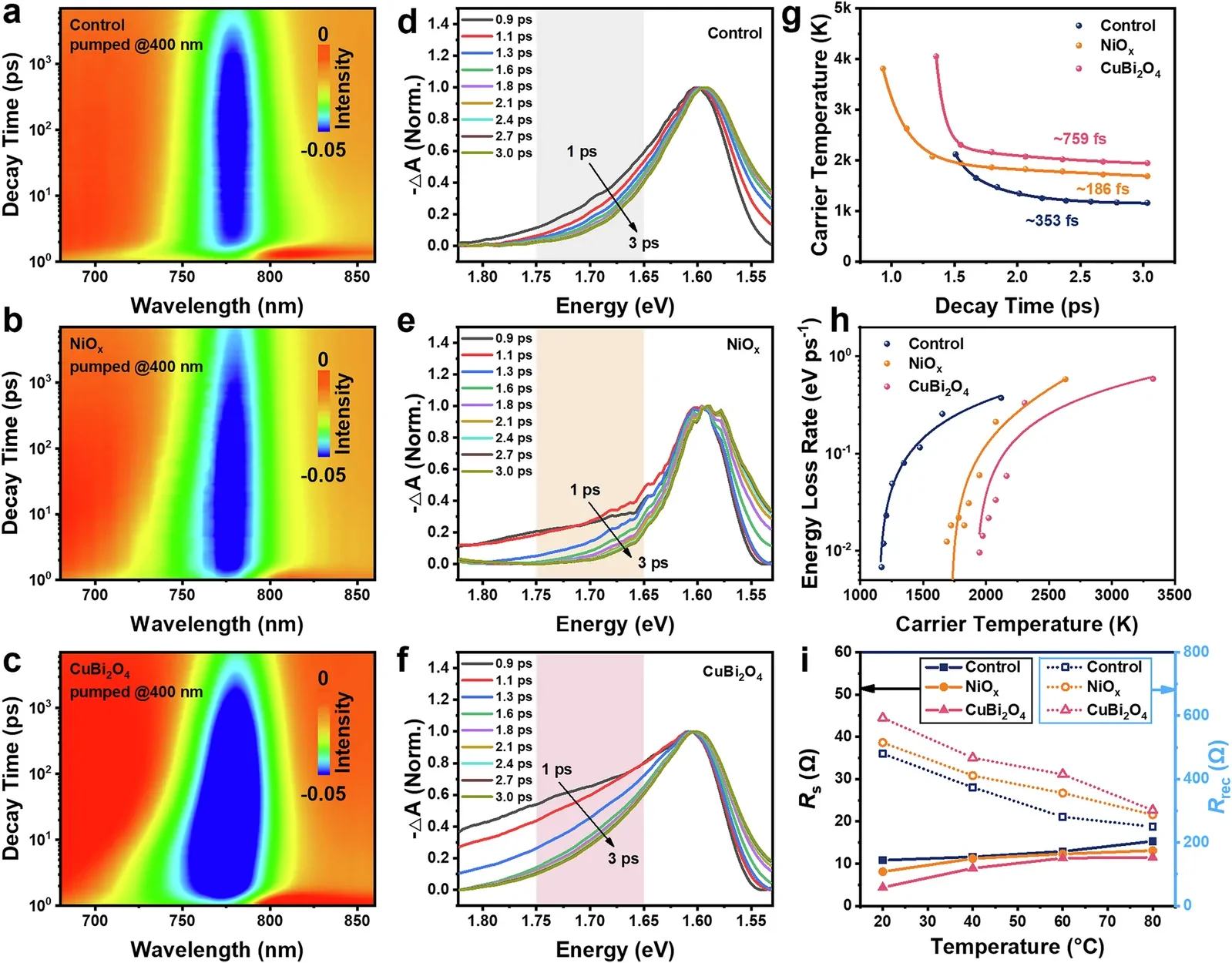
Figure 4 from Wu et al. (2026), Nature Communications, reproduced under CC BY-NC-ND 4.0.
Publication details
Authors: Xing Wu, Yu Chen, Yang Shen, Er-Wei Du, Hao Chen, Songlin Liu, Yang Peng, Jing Zhou, Yuwei Duan, Yao Chen, Shengyan Pu, Yihui Wu, and Qiang Peng
Journal: Nature Communications
Year: 2026
DOI: 10.1038/s41467-026-75825-9
PDF link: https://doi.org/10.1038/s41467-026-75825-9. The article is open access under CC BY-NC-ND 4.0.
Fluxim tools used
Paios — used for electrochemical impedance spectroscopy, Mott-Schottky, transient photovoltage and transient photocurrent measurements.
Why it matters
Treats heat transport as a design parameter for charge transport layers, not just energy alignment.
Links thermal compatibility to film quality, strain release and lower non-radiative recombination.
Shows strong results across four ISOS stability protocols over 2,000 h.
FAQs
Which Fluxim tool was used in this paper?
Paios was used for EIS, Mott-Schottky, TPV and TPC measurements.
What efficiency did the devices reach?
The CuBi2O4-based perovskite solar cells reached 27.18% PCE, certified at 26.83%.
How stable were they?
They kept 90.1%, 82.3%, 85.6% and 93.7% of initial PCE after 2,000 h under ISOS-D-2I, ISOS-D-3, ISOS-T-1 and ISOS-L-1 conditions.