
Organic solar cells often trade low non-radiative voltage loss against good charge transport. Zhang et al. report small-molecule acceptors Z1 to Z4 built on a dibenzo[b,f]azepine core, which keeps non-radiative energy loss below 0.20 eV. Stepwise backbone unlocking and targeted chlorination then improve molecular packing and electronic coupling. The best Z4-based binary device reaches 20.28% PCE with a 0.95 V open-circuit voltage. Paios transient photovoltage and photocurrent measurements were used to compare charge extraction and recombination.
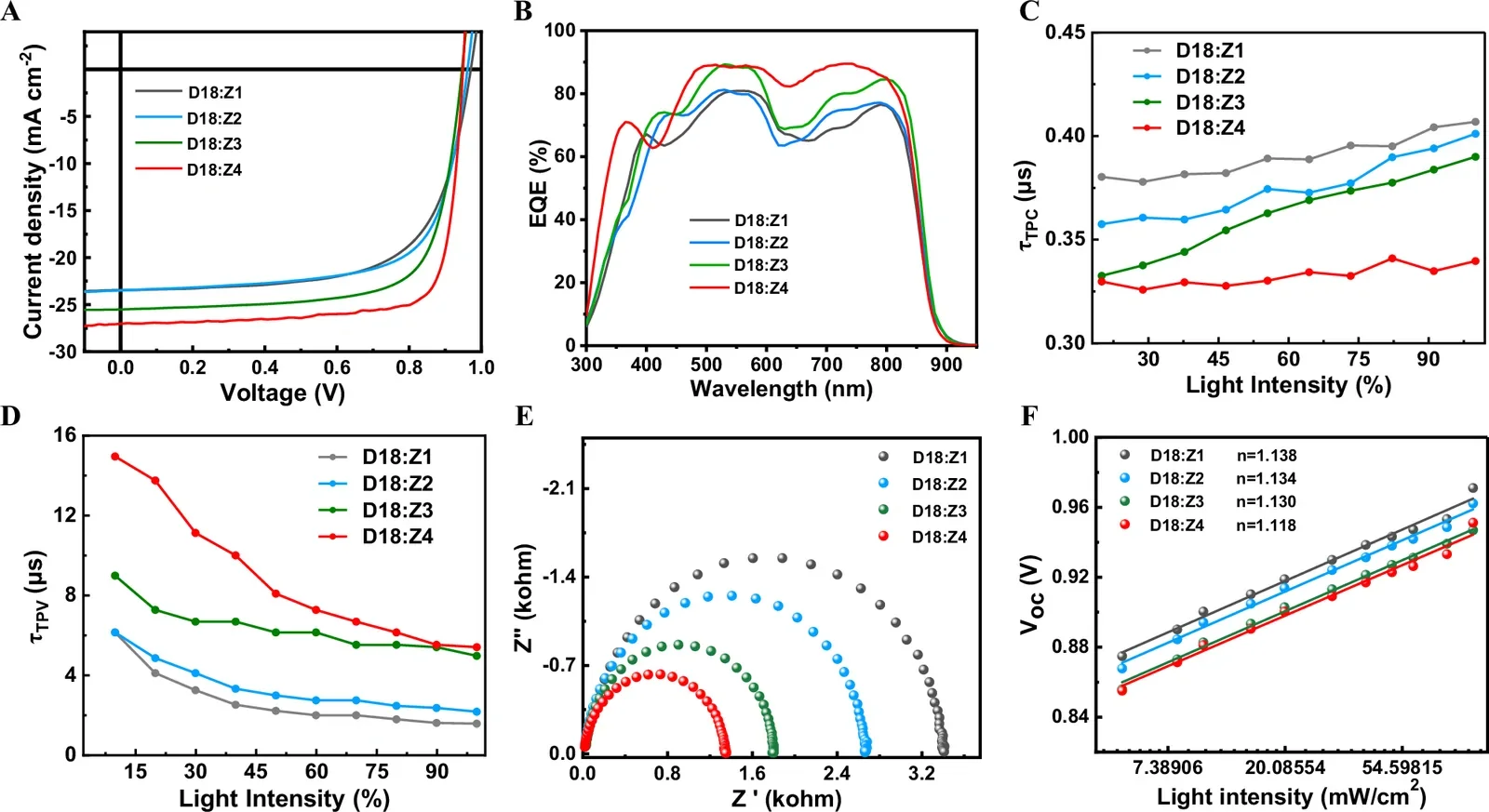
Figure 4 from Zhang et al. (2026), Nature Communications, reproduced under CC BY-NC-ND 4.0.
Publication details
Authors: Jun Zhang, Kangbo Sun, Guangliu Ran, Lei Zhu, Zhanxiang Chen, Yufei Wang, Jianqi Zhang, Liyang Yu, Guangye Zhang, Wenkai Zhang, Feng Liu, Chuluo Yang, and Zhenghui Luo
Journal: Nature Communications
Year: 2026
DOI: 10.1038/s41467-026-76217-9
PDF link: https://doi.org/10.1038/s41467-026-76217-9. The article is open access under CC BY-NC-ND 4.0.
Fluxim tools used
Paios — used for light-intensity-dependent transient photovoltage (TPV) and transient photocurrent (TPC) measurements of the D18:Z1 to D18:Z4 devices.
Why it matters
Shows a molecular route to combine low energy loss with efficient charge transport.
TPC showed D18:Z4 had the shortest extraction time across all light intensities, pointing to better charge collection.
Supports a broader design approach for high-voltage, high-efficiency binary organic solar cells.
FAQs
Which Fluxim tool was used in this paper?
Paios was used for TPV and TPC measurements of the organic solar cells.
What efficiency did the best device reach?
The Z4-based binary device reached 20.28% PCE with an open-circuit voltage of 0.95 V.
What makes these acceptors special?
The dibenzo[b,f]azepine core keeps non-radiative energy loss below 0.20 eV, while chlorination and steric control improve packing.