
Water-based nanoparticle inks avoid hazardous solvents in organic solar cell production, but efficiency and stability have lagged. Bi et al. tune the liquid-liquid interfacial tension during nanoparticle synthesis to balance donor and acceptor at the water/oil interface. This turns a donor-rich, highly ordered shell into a mixed polycrystalline surface that fuses better during film formation, improving phase connectivity and packing. Devices reach 12.64% efficiency (12.59% certified), above the previous 11.1% benchmark, with a T80 above 2,000 h at 85 °C. Paios TPV, TPC and photo-CELIV measurements characterized charge transport and recombination.
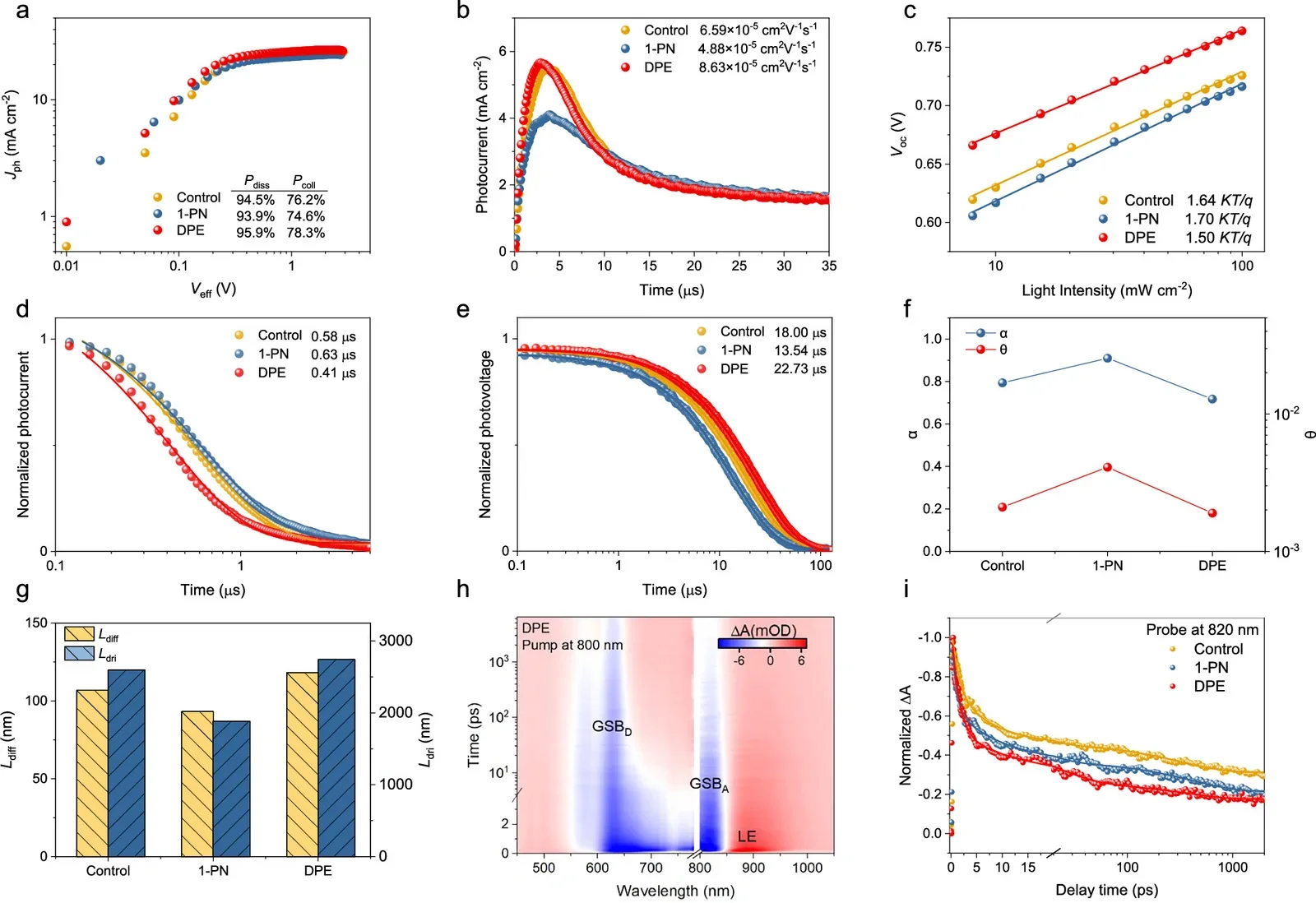
Figure 6 from Bi et al. (2026), Nature Communications, reproduced under CC BY-NC-ND 4.0.
Publication details
Authors: Zhaozhao Bi, Ke Wang, Chang Liu, Heng Liu, Yabing Tang, Hua Yang, Hanqiu Jiang, Jiawei Qiao, Linlin An, Hairui Bai, Tengfei Li, Rui Sun, Chao Zhao, Qunping Fan, Guilong Cai, Jie Min, Xinhui Lu, Xiaotao Hao, Yubin Ke, Xiaowei Zhan, and Wei Ma
Journal: Nature Communications
Year: 2026
DOI: 10.1038/s41467-026-78233-1
PDF link: https://doi.org/10.1038/s41467-026-78233-1. The article is open access under CC BY-NC-ND 4.0.
Fluxim tools used
Paios — used for transient photovoltage, transient photocurrent and photo-CELIV measurements.
Why it matters
Sets a new efficiency benchmark for water-processed organic solar cells.
Shows how controlling nanoparticle surface structure carries through to film morphology and charge transport.
Combines higher efficiency with strong thermal stability, a key step towards sustainable printed photovoltaics.
FAQs
Which Fluxim tool was used in this paper?
Paios was used for TPV, TPC and photo-CELIV measurements.
What efficiency did the water-based cells reach?
12.64%, with a certified value of 12.59%, surpassing the previous 11.1% benchmark.
How thermally stable are they?
Unencapsulated devices showed a T80 lifetime of more than 2,000 h at 85 °C.