
Polyethylenimine (PEI) is a useful cathode buffer between PCBM and the metal electrode in inverted perovskite solar cells, because its amine dipoles shift the work function. As an insulator, however, it adds series resistance. Assunção et al. blend Ti3C2Tx MXene into PEI to make a solution-processable PEI/MXene buffer layer. The layer improves the PCBM/buffer/Ag interfaces, reduces recombination losses and speeds up charge extraction, raising mean PCE from 18.9% to 22.0% (23.1% champion). Paios was used for dark J-V, TPC, photo-CELIV, light-intensity CELIV and impedance measurements.
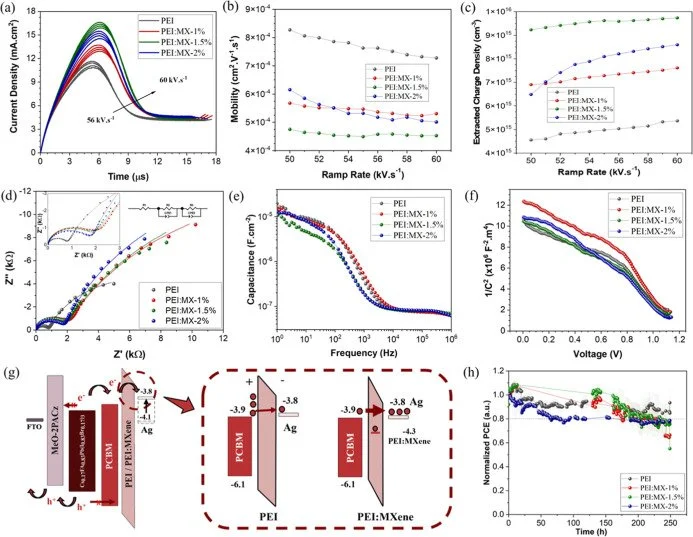
Figure 4 from Assunção et al. (2026), ACS Applied Materials & Interfaces, reproduced under CC BY 4.0.
Publication details
Authors: João P F Assunção, Hugo G Lemos, Jessica H H Rossato, Gabriel L Nogueira, Mirjana Dimitrievska, Marcos A Cruz, Silvia L Fernandes, Sidney A Lourenço, Frank Nüesch, and Carlos F O Graeff
Journal: ACS Applied Materials & Interfaces
Year: 2026
DOI: 10.1021/acsami.6c01017
PDF link: https://doi.org/10.1021/acsami.6c01017. The article is open access under CC BY 4.0.
Fluxim tools used
Paios — used for all additional electrical characterization: dark J-V curves, transient photocurrent, photo-CELIV, light-intensity CELIV and impedance spectroscopy.
Why it matters
Turns an insulating dipole layer into a more conductive buffer by adding MXene.
TPC showed shorter charge extraction times and photo-CELIV a higher extracted carrier density (9.2 x 10^15 cm-3 for the 1.5% MXene blend).
Offers a solution-processable alternative to conventional cathode buffer layers.
FAQs
Which Fluxim tool was used in this paper?
Paios was used for dark J-V, TPC, photo-CELIV, light-intensity CELIV and EIS measurements.
How much did efficiency improve?
Mean PCE rose from 18.9 +/- 0.6% with pure PEI to 22.0 +/- 0.8% with PEI/MXene, with a 23.1% champion device.
Why add MXene to PEI?
MXene reduces the series resistance of the insulating PEI layer while keeping its favourable interface dipoles, improving charge extraction.