
Organic mixed ionic-electronic conductors (OMIECs) underpin bioelectronics, sensing, energy storage and neuromorphic devices, and water is known to boost their ionic transport. Nozella et al. show that hydration also drives polarization dynamics that are usually overlooked. Using eumelanin films as a model system, and PEDOT:PSS for comparison, they combine large- and small-signal sinusoidal electrical measurements with an analytical transport model. Hydration-induced polarization creates displacement currents that can match conventional conduction currents, moving from few active sites with slow relaxation at low humidity to many sites with fast relaxation at high humidity. The measurements were made with Paios.
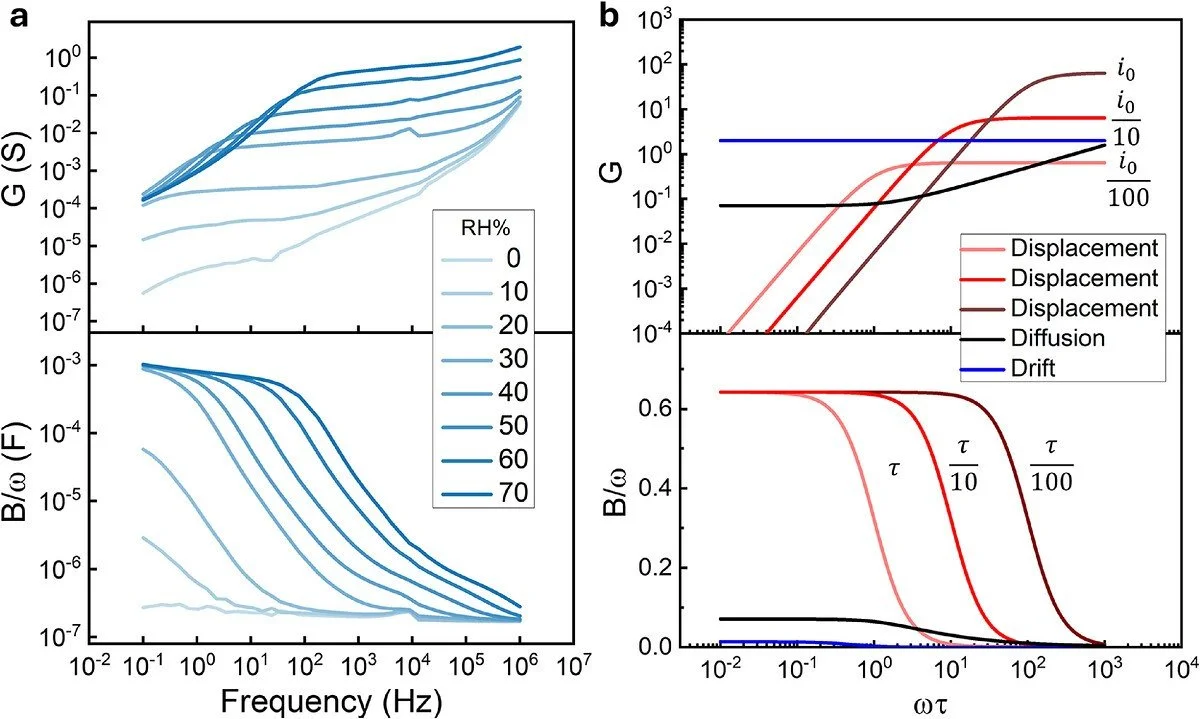
Figure 4 from Nozella et al. (2026), Advanced Functional Materials, reproduced under CC BY 4.0.
Publication details
Authors: Natan L. Nozella, Victor Lopez-Richard, Luiz A. Meneghetti Jr., Gabriel L. Nogueira, João V. Paulin, and Carlos F. O. Graeff
Journal: Advanced Functional Materials
Year: 2026
DOI: 10.1002/adfm.79503
PDF link: https://doi.org/10.1002/adfm.79503. The article is open access under CC BY 4.0.
Fluxim tools used
Paios — used for large-signal sinusoidal I-V, time-resolved current and small-signal impedance measurements on eumelanin films with interdigitated electrodes and on PEDOT:PSS films.
Why it matters
Shows that the electrical response of mixed conductors cannot be described by ionic and electronic conduction alone.
Provides a framework to identify polarization contributions to hysteresis, relevant for memory and neuromorphic devices.
Demonstrates how frequency-resolved measurements at controlled humidity separate drift, diffusion and displacement currents.
FAQs
Which Fluxim tool was used in this paper?
Paios was used for sinusoidal I-V, time-resolved current and impedance spectroscopy measurements.
What is the overlooked transport mechanism?
Hydration-induced polarization that produces displacement currents comparable in size to conventional conductive currents.
Which materials were studied?
Eumelanin films as the model mixed conductor, with complementary measurements on PEDOT:PSS.