
Formamidinium (FA+) migration is a major cause of long-term degradation in perovskite solar cells. Low-dimensional/3D heterojunctions can help, but they have rarely been compared under the same processing conditions. Miao et al. design a family of pyridine-based ligands that form 2D, 1D, intercalated 1D and 0D structures on the same 3D perovskite. The 2D/3D design uniquely combines geometric confinement with hydrogen bonding in several directions to immobilize FA+. Cells reach 26.88% (26.52% certified) and 900 cm2 modules reach 20.25%. Paios TPC, TPV and EIS measurements were used to compare carrier behaviour.
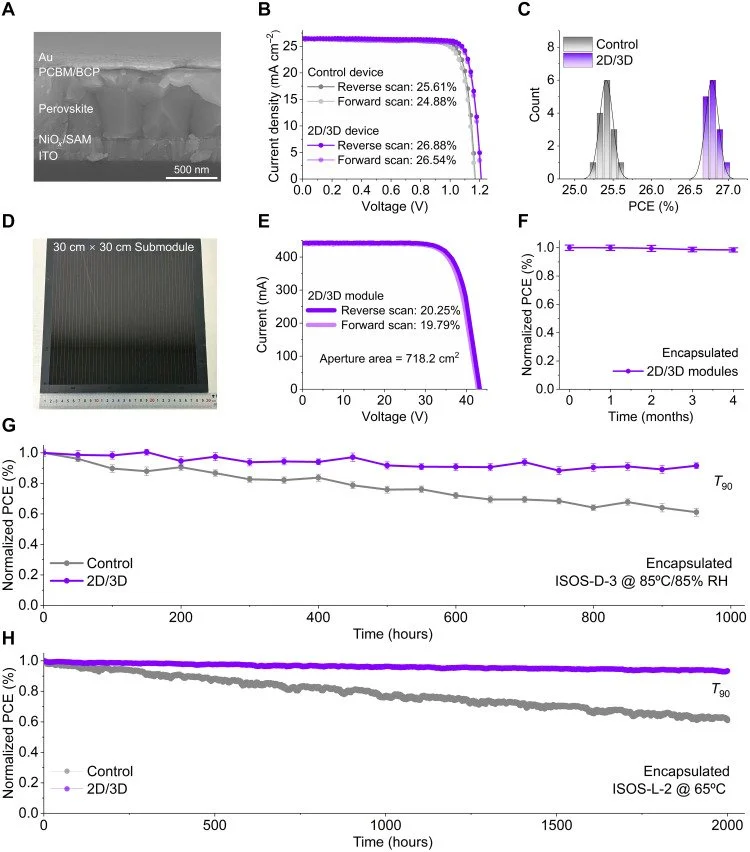
Figure 4 from Miao et al. (2026), Science Advances, reproduced under CC BY-NC 4.0.
Publication details
Authors: Zhipeng Miao, Shiheng Wang, Qi Pan, Jie Yu, Yapeng Shi, Yunhang Xie, Yipei Wang, Sihui Peng, Ting Zhang, Hong Lu, Hainam Do, Yiqiang Zhang, Yanlin Song, and Pengwei Li
Journal: Science Advances
Year: 2026
DOI: 10.1126/sciadv.aed6327
PDF link: https://doi.org/10.1126/sciadv.aed6327. The article is open access under CC BY-NC 4.0.
Fluxim tools used
Paios — used for transient photocurrent, transient photovoltage and electrochemical impedance spectroscopy measurements.
Why it matters
Provides a fair side-by-side comparison of 2D, 1D and 0D heterojunctions on the same perovskite.
Identifies why the 2D/3D configuration is best at stopping FA+ migration.
Scales the approach to 900 cm2 modules with negligible degradation over four months.
FAQs
Which Fluxim tool was used in this paper?
Paios was used for TPC, TPV and EIS measurements.
What efficiency was reached?
Champion cells reached 26.88% (26.52% certified), and 900 cm2 modules reached 20.25% (17.75% certified).
How stable are the devices?
They kept more than 91% of initial efficiency after 1,000 h at 85 °C and 85% relative humidity, and more than 94% after 2,000 h of maximum power point tracking.