
Perovskite nanocrystals are promising for optoelectronics, but the usual hot-injection synthesis is costly and hard to scale. Zhao et al. develop a ligand-triggered room-temperature injection (LTRI) method, where short-chain octanoic acid tunes precursor reactivity to start nucleation. Combining automated synthesis with machine learning, they find how the octanoic acid to formamidinium acetate ratio controls nanocrystal size and distribution. The process works in flow synthesis and lowers production cost to US$2.16 per gram, against US$118.81 per gram for hot injection. Solar cells reach 19.37% PCE, and their operational stability was monitored with Litos Lite.
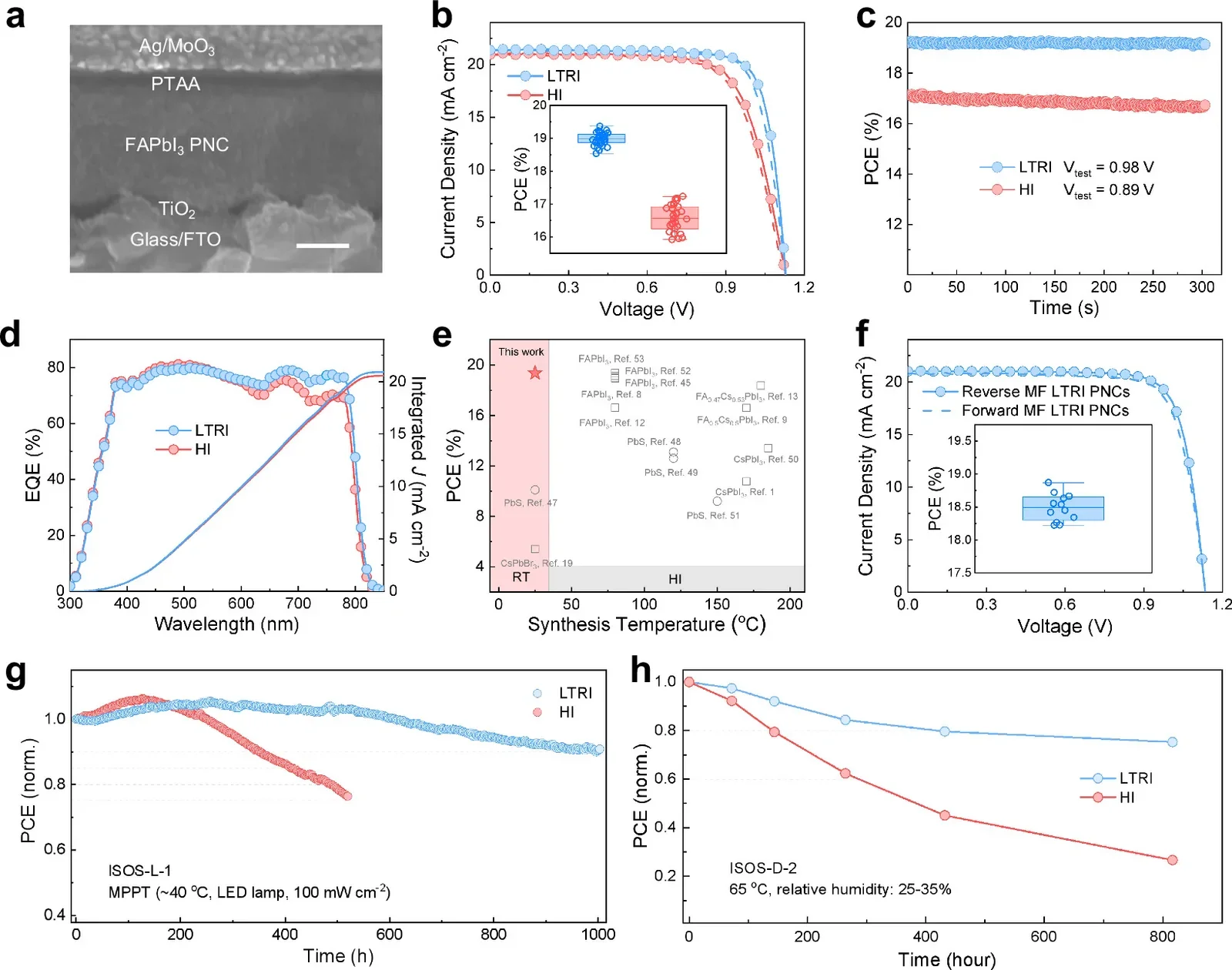
Figure 4 from Zhao et al. (2026), Nature Communications, reproduced under CC BY-NC-ND 4.0.
Publication details
Authors: Xinyu Zhao, Chenyu Zhao, Lujie Jin, Xuliang Zhang, Du Li, Wei Zhu, Huifeng Li, Youyong Li, Tom Wu, and Jianyu Yuan
Journal: Nature Communications
Year: 2026
DOI: 10.1038/s41467-026-78268-4
PDF link: https://doi.org/10.1038/s41467-026-78268-4. The article is open access under CC BY-NC-ND 4.0.
Fluxim tools used
Litos Lite — used for maximum power point tracking of unencapsulated devices under an LED-simulated AM1.5G spectrum, following ISOS-L-1.
Why it matters
Brings automation and machine learning into nanocrystal synthesis to reach target sizes faster.
Cuts the production cost of FAPbI3 nanocrystals by more than an order of magnitude compared with hot injection.
ISOS-L-1 tracking on Litos Lite compares the operational stability of LTRI and hot-injection nanocrystal devices.
FAQs
Which Fluxim tool was used in this paper?
Litos Lite was used for ISOS-L-1 maximum power point tracking of the nanocrystal solar cells.
How much cheaper is the new synthesis?
The LTRI method reduces production cost to US$2.16 per gram, compared with US$118.81 per gram for the hot-injection method.
What efficiency did the solar cells reach?
The FAPbI3 nanocrystal solar cells reached a power conversion efficiency of 19.37%.