
In wide-bandgap mixed-halide perovskites, iodide and bromide crystallize and migrate differently, which leads to uneven films and halide phase segregation. Zhu et al. add 2-iminothiolane (ITA), which reacts in situ with methylamine to form a reducing thiol compound. It homogenizes crystallization, scavenges iodine and anchors mobile iodide ions. Single-junction wide-bandgap cells reach 20.45% with a 1.391 V open-circuit voltage, and perovskite-organic tandems reach 28.20% (27.82% certified). Paios was used for EIS, Mott-Schottky, TPV and TPC measurements.
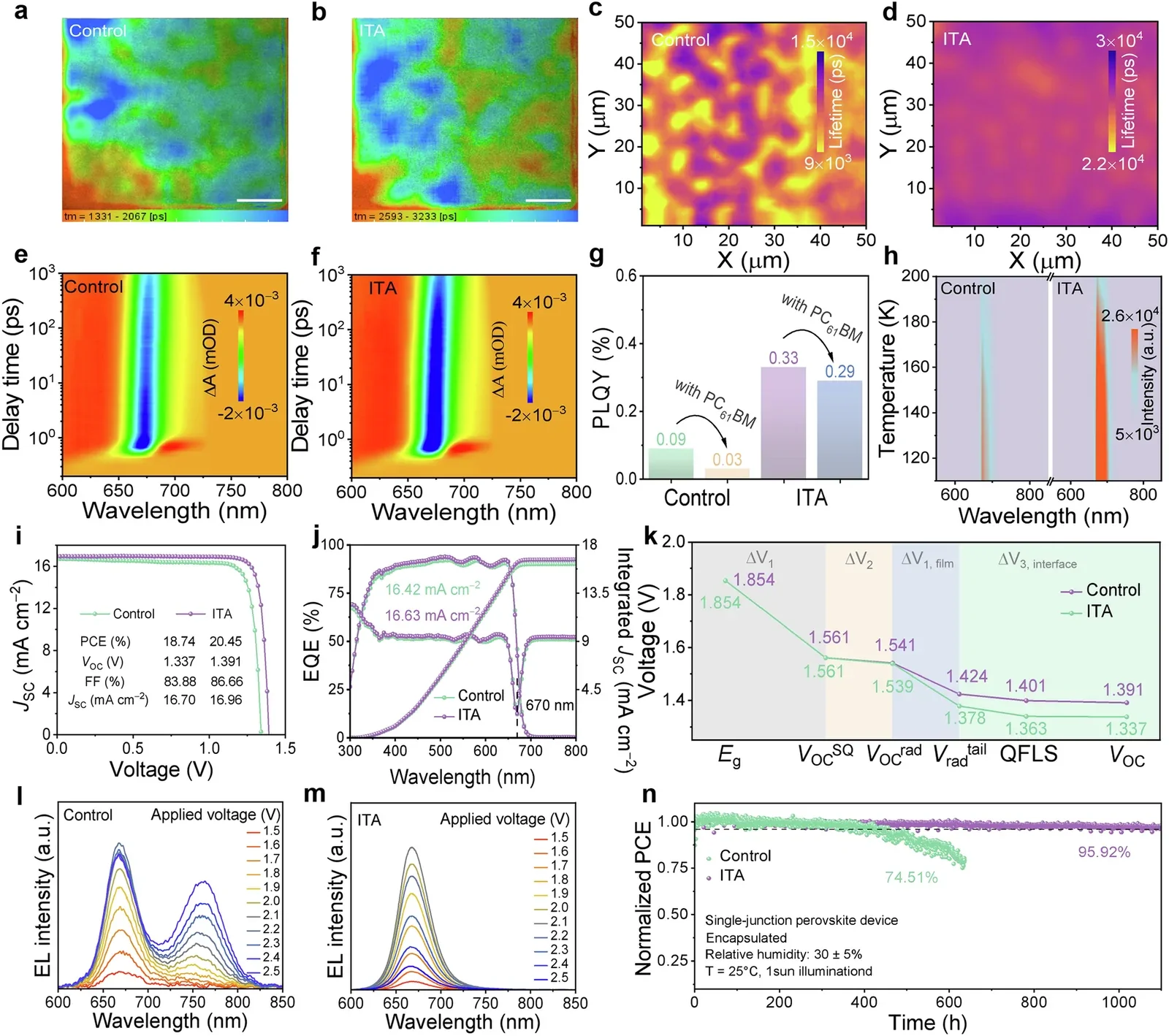
Figure 3 from Zhu et al. (2026), Nature Communications, reproduced under CC BY-NC-ND 4.0.
Publication details
Authors: Xinhong Zhu, Yuwei Duan, Zhuang Xie, Qiuyan Cao, Dexin Zhang, Hongxiang Li, Qunping Fan, Kai Wang, Shengzhong Liu, and Qiang Peng
Journal: Nature Communications
Year: 2026
DOI: 10.1038/s41467-026-78267-5
PDF link: https://doi.org/10.1038/s41467-026-78267-5. The article is open access under CC BY-NC-ND 4.0.
Fluxim tools used
Paios — used for electrochemical impedance spectroscopy, Mott-Schottky, transient photovoltage and transient photocurrent measurements.
Why it matters
Tackles inhomogeneous crystallization and halide segregation with a single sequential additive strategy.
Combines calculations of ion-migration barriers with Paios impedance and transient measurements of charge transport and recombination in the treated devices.
Shows a stable wide-bandgap front cell for perovskite-organic tandems.
FAQs
Which Fluxim tool was used in this paper?
Paios was used for EIS, Mott-Schottky, TPV and TPC measurements.
What efficiency did the tandem cell reach?
The champion perovskite-organic tandem reached 28.20% PCE, certified at 27.82%.
How stable is the tandem?
It retained 90% of initial efficiency after 700 h of continuous maximum power point tracking under the ISOS-L-1 protocol.