
Multi-resonance TADF emitters give narrowband, heavy-metal-free OLEDs, but slow reverse intersystem crossing (RISC) causes strong efficiency roll-off at practical brightness. Zhang et al. build germanium into hole- and electron-transporting hosts to form an exciplex that accelerates spin-flip and passes energy to the emitter by FRET, without changing the emitter itself. Blue and green OLEDs exceed 40% EQE with much lower roll-off than silicon- and carbon-based hosts. Setfos 5.1 optical simulations, using ellipsometry data for each layer, compared the theoretical maximum EQE of the devices.
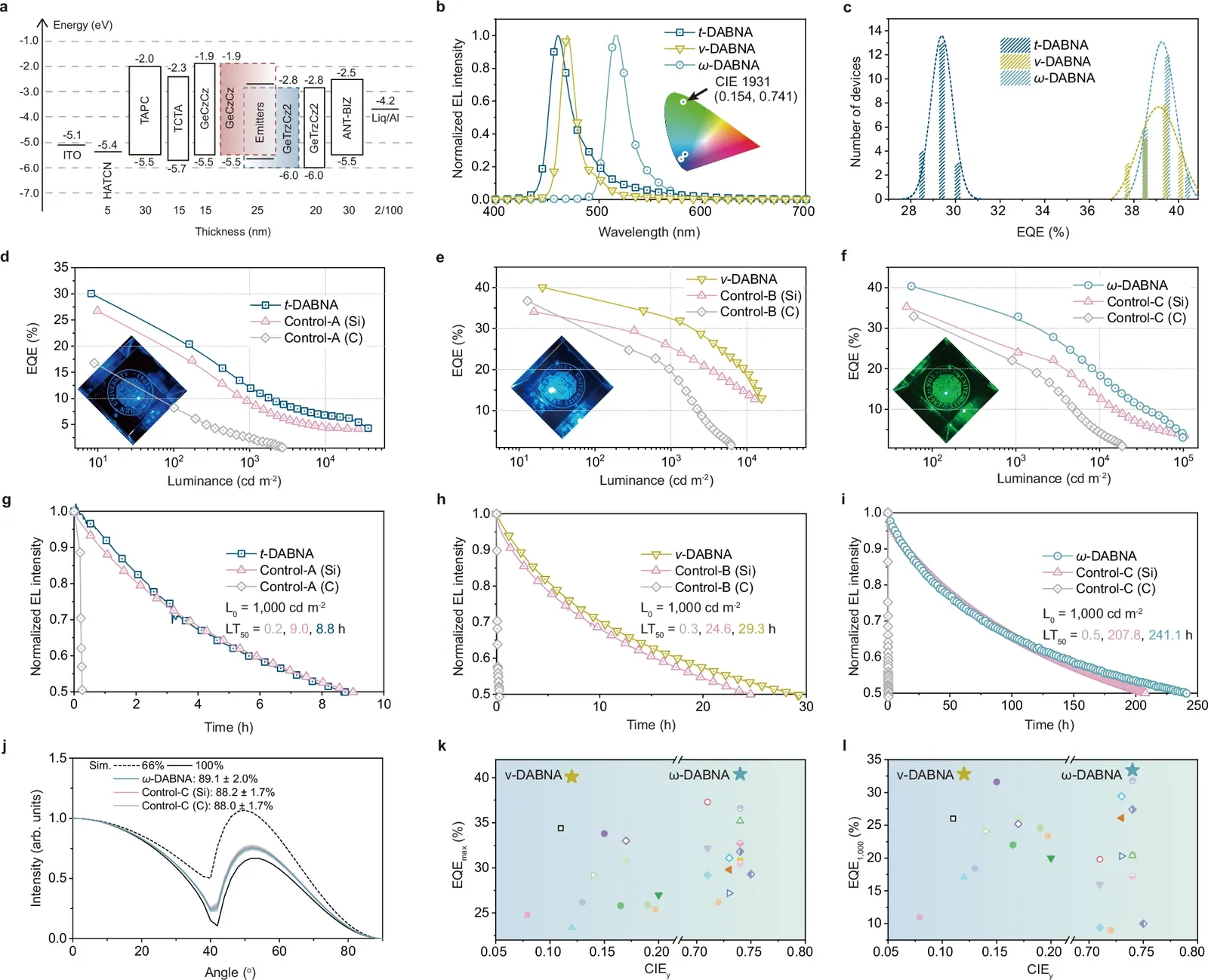
Figure 4 from Zhang et al. (2026), Nature Communications, reproduced under CC BY 4.0.
Publication details
Authors: Xu Zhang, Zhanxiang Chen, Manli Huang, Jiahui Liu, Siyuan He, Cheng Zhong, Jingsheng Miao, Xue Zhou, Yu Gu, and Chuluo Yang
Journal: Nature Communications
Year: 2026
DOI: 10.1038/s41467-026-76914-5
PDF link: https://doi.org/10.1038/s41467-026-76914-5. The article is open access under CC BY 4.0.
Fluxim tools used
Setfos — version 5.1 used for optical simulations of the OLEDs, using measured refractive indices, extinction coefficients and layer thicknesses plus the emitter PL spectrum.
Why it matters
Offers a host-side strategy that works across different MR-TADF emitters without chemical changes to the emitter.
Optical simulations showed that the theoretical maximum EQE changed only marginally between the three exciplex hosts, so the gains come from exciton dynamics rather than optics.
Moves narrowband OLEDs closer to practical brightness levels for displays.
FAQs
Which Fluxim tool was used in this paper?
Setfos 5.1 was used for optical simulations of the OLED devices.
What efficiency did the OLEDs reach?
The blue and green devices reached external quantum efficiencies above 40% with markedly suppressed roll-off.
How stable is the green device?
The green OLED showed a half-lifetime of 241 h at an initial luminance of 1,000 cd m-2.