
Researchers at the Italian National Research Council developed quasi-neutral-color semitransparent perovskite solar cells using AVA-MAPbI₃ islands embedded in mesoporous TiO₂. By combining a custom 3D optical model with Fluxim's Setfos drift-diffusion simulations, they investigated how light absorption, charge transport, and electrode properties affect photovoltaic performance. Experimental carbon-based devices achieved 1.94% efficiency, while an ideal transparent-electrode configuration was predicted to reach 4.50% efficiency and generate 116.38 kWh/m² annually in modeled conditions in Catania. Lettuce grown under an emulated transmitted-light spectrum showed no significant deterioration in growth or measured nutritional parameters.
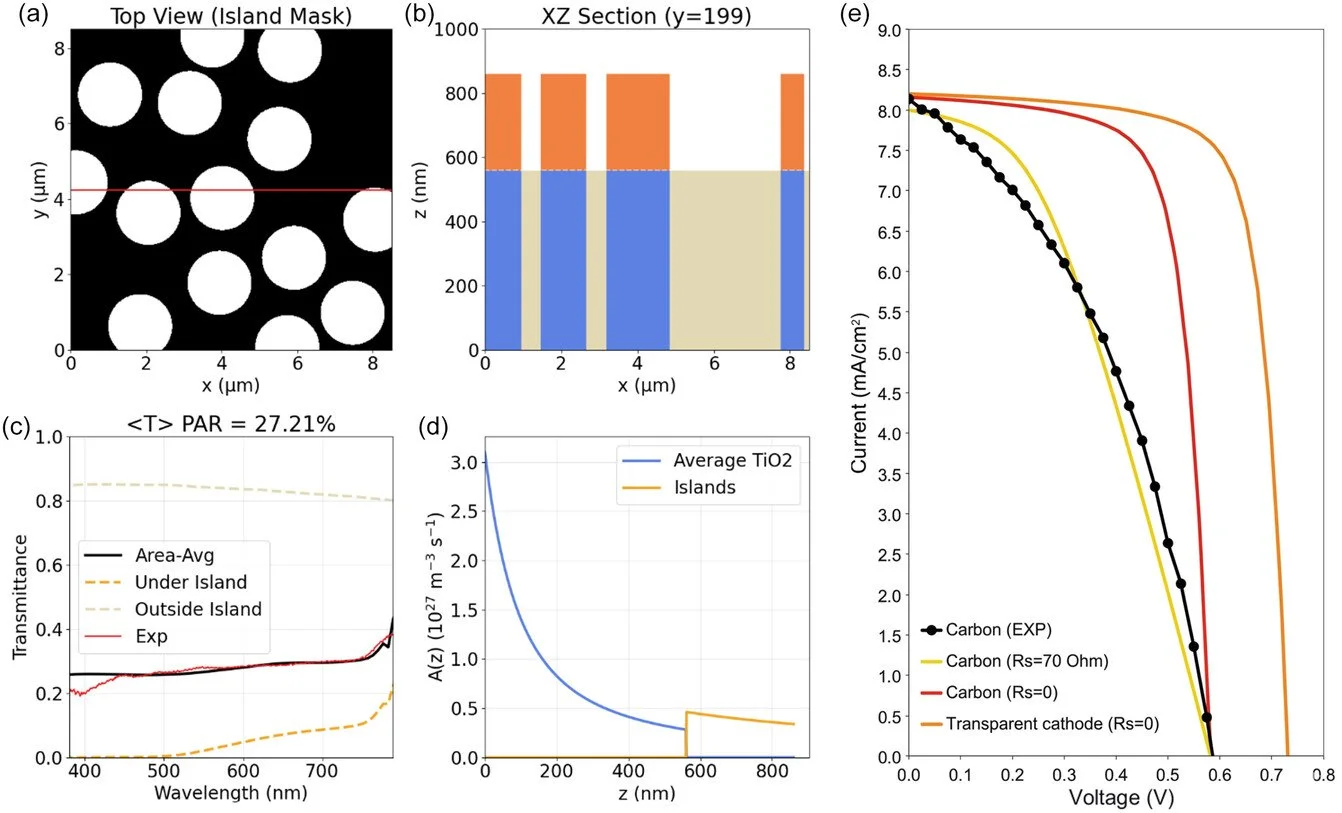
Figure 2, Valastro et al., Advanced Energy and Sustainability Research (2026), CC BY. Credit the original authors and journal.
Publication details
Authors: Salvatore Valastro, Gaetano Calogero, Emanuele Smecca, Giovanni Mannino, Valentina Arena, Ioannis Deretzis, Corrado Bongiorno, Salvatore Ethan Panasci, Filippo Giannazzo, Miriam Distefano, Giovanni Avola, Ezio Riggi, Antonino La Magna, Alessandra Alberti
Journal: Advanced Energy and Sustainability Research
Year: 2026 | Volume: 7 | Article: e70278
DOI: https://doi.org/10.1002/aesr.70278
Open-access paper: https://doi.org/10.1002/aesr.70278
Fluxim tools used
Setfos — Optical-model benchmarking and electrical drift-diffusion simulations using externally calculated photogeneration profiles. Setfos helped evaluate charge extraction, series resistance, and the performance potential of transparent electrodes.
Why it matters
Demonstrates a route to semitransparent photovoltaics with more balanced light transmission for crop cultivation.
Shows how device simulation can connect complex absorber morphology with electrical performance.
Identifies electrode optimization and absorber coverage as important opportunities for improving agrivoltaic devices.
FAQs
How was Setfos used in this research?
Setfos was used to benchmark optical calculations for homogeneous structures and simulate electrical charge transport using generation profiles from a custom 3D optical model.
What efficiency did the solar cells achieve?
The experimental carbon-electrode device achieved 1.94% PCE. An idealized transparent-electrode configuration was predicted to achieve 4.50% PCE.
Why are neutral-color perovskite solar cells important for agrivoltaics?
They can preserve a more balanced visible-light spectrum for crops while converting part of the incident sunlight into electricity.