
Top-emitting OLEDs use a Fabry-Perot microcavity to boost forward emission and colour purity, but internal light-extraction textures can disturb the cavity. Kim et al. introduce a gentle internal corrugation layer (GICL) that releases waveguided light while keeping the cavity response intact, and pair it with a narrowband TADF-sensitized fluorescent emitter matched to the cavity resonance. With an optical clear resin, EQE rises from 34.8% to 69.2% and the colour shift at 60 degrees drops from 0.0197 to 0.0086. Setfos optical mode analysis and power-fraction calculations characterized the pristine microcavity stacks.
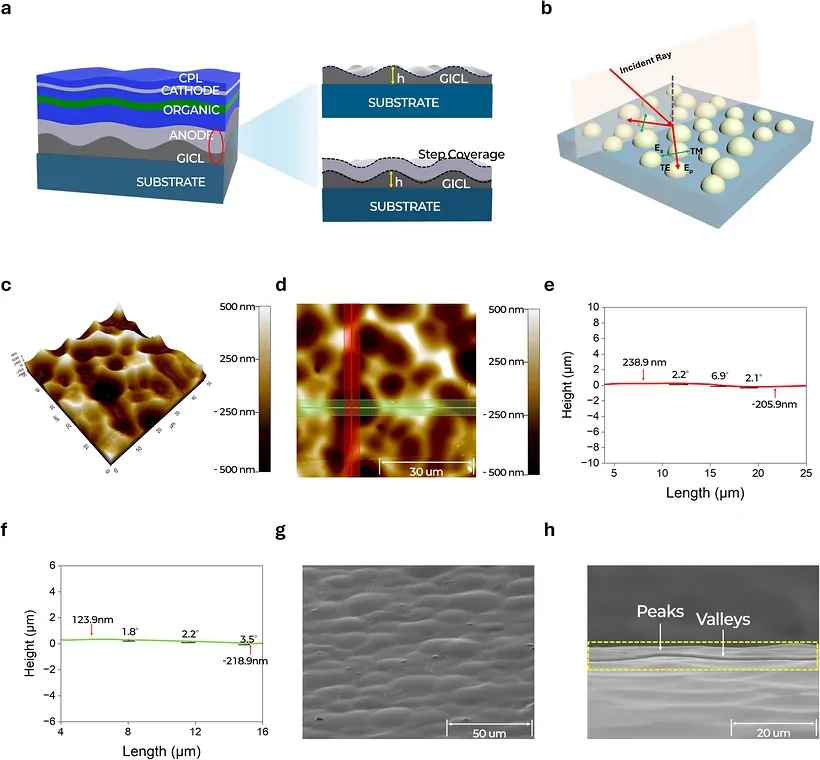
Figure 2 from Kim et al. (2026), Advanced Science, reproduced under CC BY 4.0.
Publication details
Authors: Young Rok Kim, Ajay Nimbalkar, and Min Chul Suh
Journal: Advanced Science
Year: 2026
DOI: 10.1002/advs.78013
PDF link: https://doi.org/10.1002/advs.78013. The article is open access under CC BY 4.0.
Fluxim tools used
Setfos — used for optical mode analysis and power-fraction calculations of the pristine microcavity top-emitting OLED stacks, including the dependence on HTL and ETL thickness and the power-dissipation spectrum.
Why it matters
Shows a light-extraction structure that works with, rather than against, the microcavity in top-emitting OLEDs.
Optical power-fraction modelling of the pristine stacks shows how much light is trapped in waveguided modes, the power the corrugation layer then redistributes towards outcoupling.
Demonstrates that matching a narrowband emitter to the cavity resonance adds to the efficiency gain.
FAQs
Which Fluxim tool was used in this paper?
Setfos was used for optical mode analysis and power-fraction calculations of the top-emitting OLED stacks.
How much did the corrugation layer improve the OLED?
Under the same optical clear resin condition, EQE rose from 34.8% to 69.2%, current efficiency from 302.7 to 378.4 cd/A and power efficiency from 199.3 to 396.7 lm/W.
Did the colour stability change?
Yes, the angular colour shift at 60 degrees fell from 0.0197 to 0.0086.