
Lead-free perovskite derivatives such as Cs3Sb2I9 are attractive, but poor film morphology and a zero-dimensional crystal structure limit their performance. Ji et al. expose Cs3Sb2I9 films to amine gas, which briefly liquefies and then recrystallizes the material into a uniform two-dimensional layered phase. Longer-chain amines work better, and butylamine-treated cells improve short-circuit current and efficiency by nearly an order of magnitude. Paios light-intensity-dependent I-V measurements were used to study recombination in reference and treated devices.
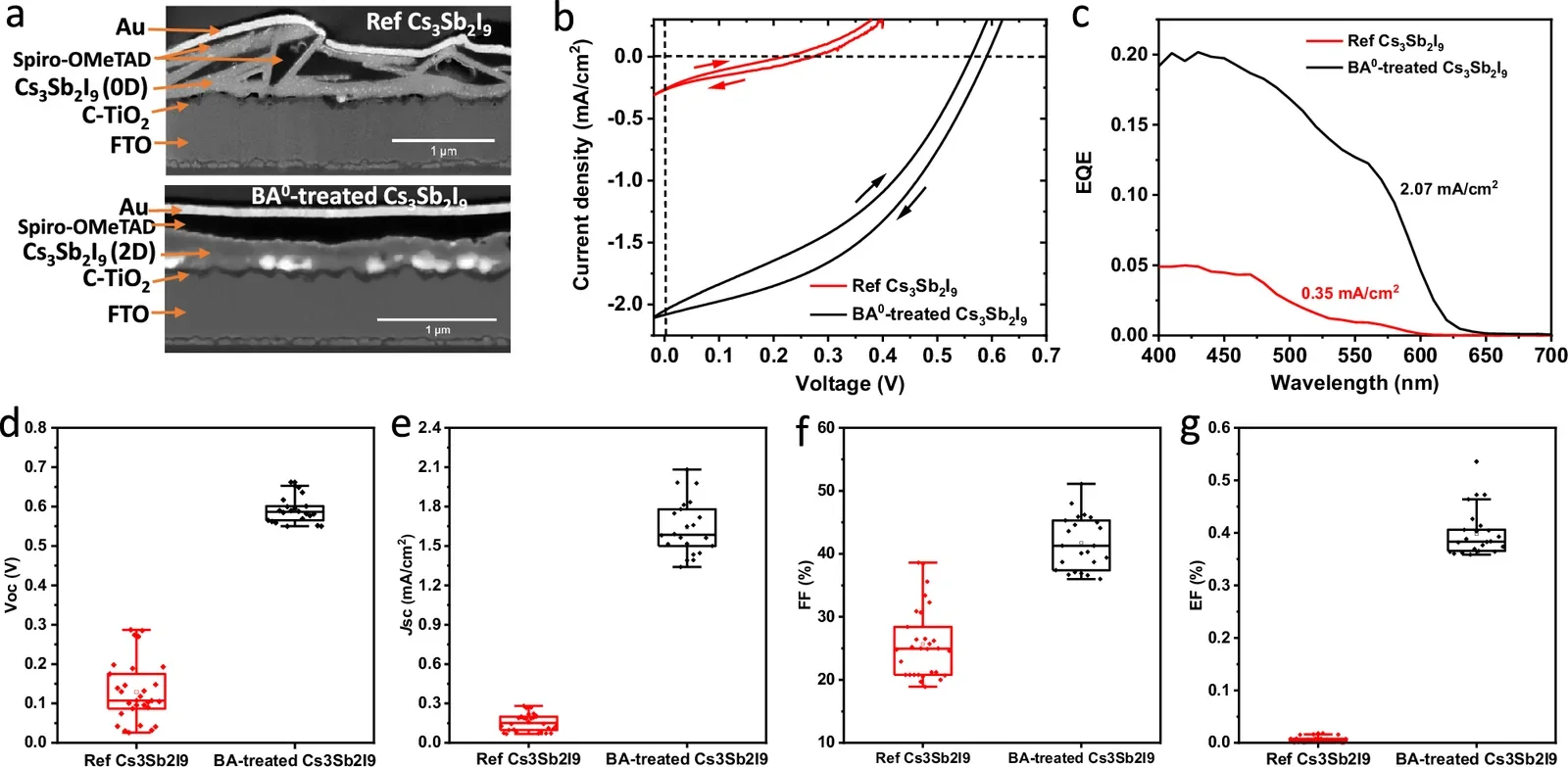
Figure 4 from Ji et al. (2026), Communications Materials, reproduced under CC BY 4.0.
Publication details
Authors: Fuxiang Ji, Tristan Sachsenweger Ballantyne, Kazem Meraji, Sharun Parayil Shaji, Laura Nicolette Schusser, Sandile Kumalo, and Wolfgang Tress
Journal: Communications Materials
Year: 2026
DOI: 10.1038/s43246-026-01240-8
PDF link: https://doi.org/10.1038/s43246-026-01240-8. The article is open access under CC BY 4.0.
Fluxim tools used
Paios — used for light-intensity-dependent I-V measurements under white LED illumination to analyse recombination in reference and butylamine-treated devices.
Why it matters
Offers a simple post-treatment that fixes both morphology and dimensionality in an all-inorganic, lead-free absorber.
Light-intensity analysis showed that treated cells give a clean logarithmic Voc dependence (ideality factor 3.3), while reference cells produce no Voc at low light, most likely due to shunt losses.
Points to amine-gas processing as a general route for other perovskite derivatives.
FAQs
Which Fluxim tool was used in this paper?
Paios was used for light-intensity-dependent I-V measurements of the Cs3Sb2I9 solar cells.
What does the butylamine gas treatment do?
It drives reversible adsorption and desorption of amine molecules that liquefy and recrystallize Cs3Sb2I9, improving film uniformity and converting the 0D phase into a 2D layered phase.
How large was the improvement?
Short-circuit current density and power conversion efficiency increased by nearly an order of magnitude compared with untreated devices.