
FAPbI3 has a near-ideal band gap for single-junction solar cells, but its black alpha phase tends to revert to the yellow delta phase, especially when processed at low temperature. Methylammonium additives help but widen the band gap and can reduce stability. Pallotta et al. instead use only 2% cesium together with a binary antisolvent containing a polar alcohol, which redistributes FA+ during film formation and spreads the Cs+ evenly. The alpha phase is stabilized at 100 °C with a band gap close to 1.5 eV, and devices approach 22% PCE. Operational stability was measured with Litos Lite.
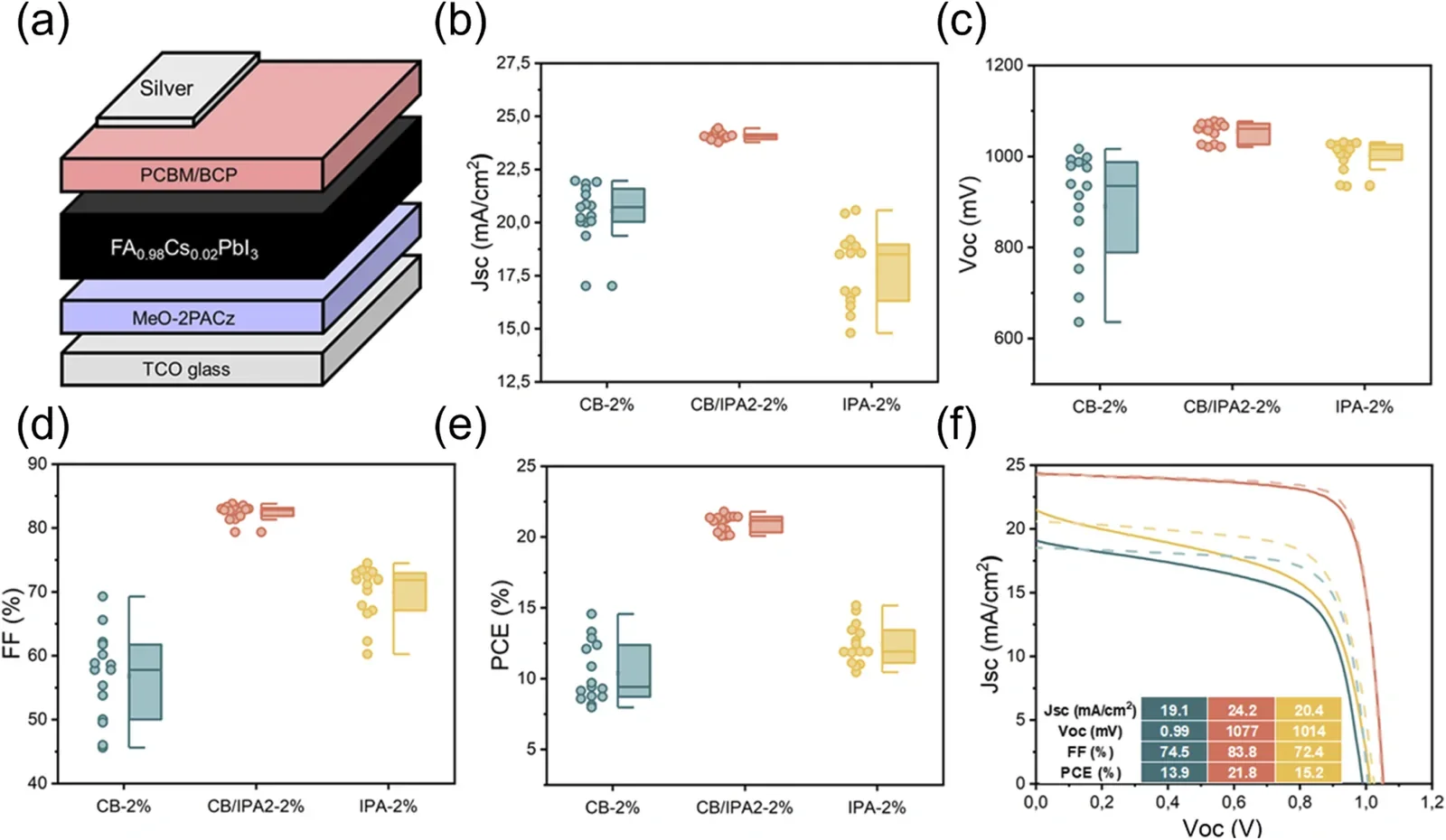
Figure 3 from Pallotta et al. (2026), EES Solar, reproduced under CC BY 4.0.
Publication details
Authors: Riccardo Pallotta, Simone Filippi, Alice Scardina, Weidong Xu, Samuele Mattioni, Mingjie Feng, Sergio Marras, Ruggero Sala, Matteo Degani, Luis E. Hueso, Tianyu Xu, Beatriz Martín-García, Chang-Qi Ma, Andres Osvet, Samuel D. Stranks, Christoph J. Brabec, and Giulia Grancini
Journal: EES Solar
Year: 2026
DOI: 10.1039/d6el00108d
PDF link: https://doi.org/10.1039/d6el00108d. The article is open access under CC BY 4.0.
Fluxim tools used
Litos Lite — used as the stability box for maximum power point tracking of unencapsulated devices under nitrogen, following the ISOS-L-1 protocol with continuous solar-simulator illumination.
Why it matters
Shows a methylammonium-free route to phase-stable FAPbI3 at a processing temperature of 100 °C.
Keeps the narrow band gap of FAPbI3, which matters for single-junction efficiency.
ISOS-L-1 tracking on Litos Lite compared the stability of the MA-free films with MACl-based FAPbI3.
FAQs
Which Fluxim tool was used in this paper?
Litos Lite was used for ISOS-L-1 maximum power point stability measurements under nitrogen.
How is the alpha phase stabilized without methylammonium?
By adding 2% cesium and using a binary antisolvent with a polar alcohol that promotes FA+ redistribution and uniform Cs+ incorporation.
What efficiency did the devices reach?
Devices made with the binary antisolvent system reached PCEs approaching 22%.