
Inverted perovskite solar cells now reach very high efficiencies, but reverse-bias stress during partial shading remains a serious failure mode. Du et al. identify the buried hole-transport-layer/perovskite interface as the main site of lattice strain and add 3-fluorothiophene-2-carboxylic acid (3F-2TC) there to template crystallization. Grazing-incidence XRD confirms reduced strain, and reverse-bias testing shows that a low-strain lattice is the key defence against bias-induced degradation. Champion cells reach 26.10% PCE. Paios was used for transient photocurrent and photovoltage measurements.
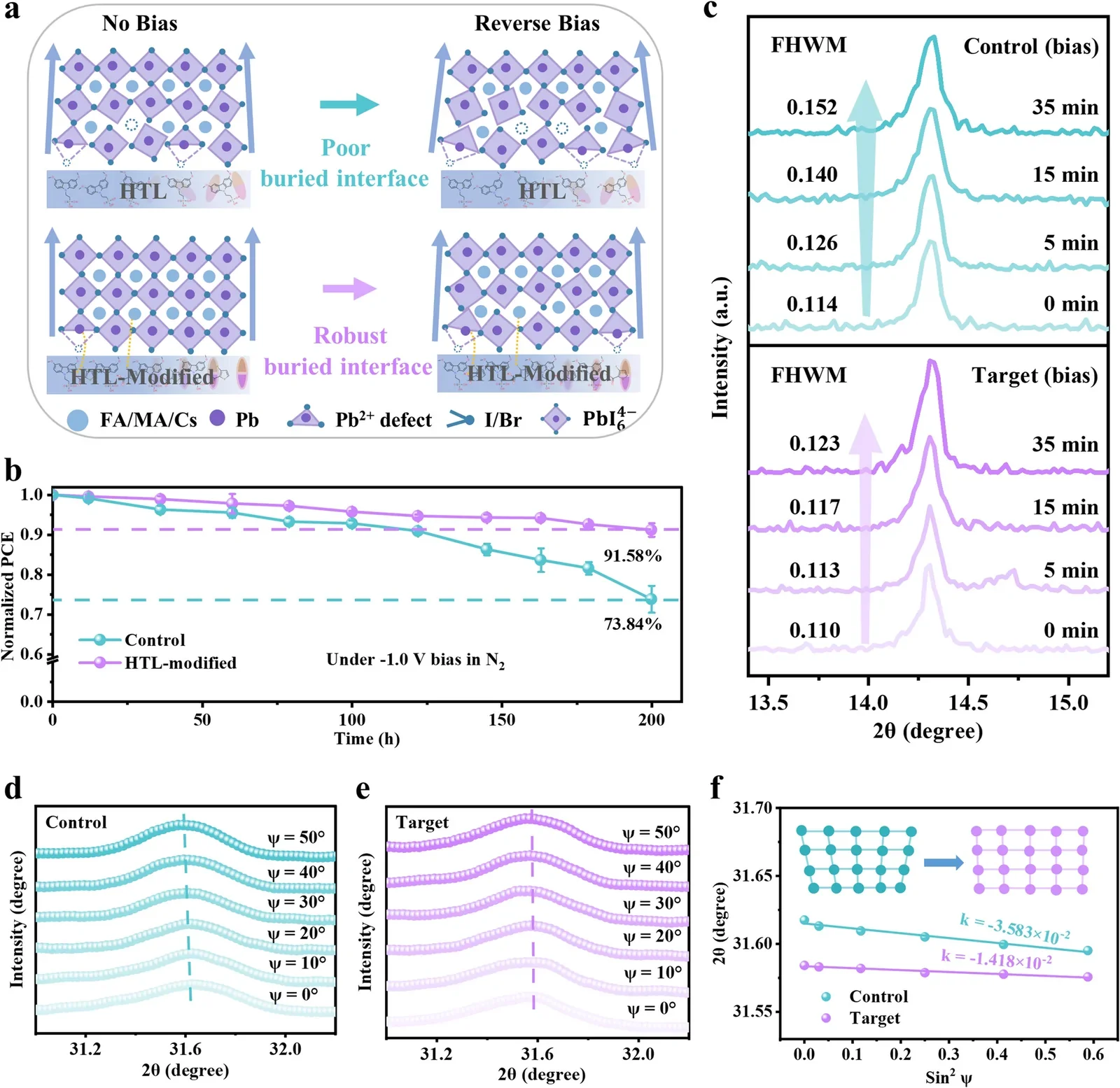
Figure 1 from Du et al. (2026), Nano-Micro Letters, reproduced under CC BY 4.0.
Publication details
Authors: Niqian Du, Shanshan Du, Yaru Du, Xiaobo Zhang, Xiaoyi Hou, Chi Feng, Rongdong Xiang, Xin Wu, Heping Fu, Zhiyong Liu, Tingwei He, and Kaikai Liu
Journal: Nano-Micro Letters
Year: 2026
DOI: 10.1007/s40820-026-02244-2
PDF link: https://doi.org/10.1007/s40820-026-02244-2. The article is open access under CC BY 4.0.
Fluxim tools used
Paios — used for transient photocurrent (TPC) and transient photovoltage (TPV) measurements.
Why it matters
Separates the effect of strain relief from simple defect passivation by using reverse bias as a diagnostic.
Shows that the buried interface, not just the top surface, controls strain in inverted perovskite cells.
Delivers both high efficiency and much better resilience to shading-induced reverse bias.
FAQs
Which Fluxim tool was used in this paper?
Paios was used for transient photocurrent and transient photovoltage measurements.
How stable are the devices under reverse bias?
Champion devices retained 91.58% of their initial PCE after 200 h at -1.0 V reverse bias.
What is 3F-2TC used for?
3-fluorothiophene-2-carboxylic acid is placed at the buried HTL/perovskite interface to relieve lattice strain during crystallization.