
Integrated perovskite/organic solar cells (I-POSCs) replace a charge transport layer in a perovskite cell with a narrow-bandgap organic bulk heterojunction, extending absorption while keeping the high perovskite voltage. Their efficiency is limited by complex charge dynamics at the perovskite/organic interface. Tian et al. use Setfos 5.4 optical and drift-diffusion simulations, built on their own fabricated devices, to analyse this interface step by step. Type-II alignment helps photocurrent, reverse Type-II alignment preserves voltage, and in the Type-I transition regime the fill factor becomes limiting. Bimolecular recombination in the organic layer, not interface trap recombination, is the main loss in current devices.
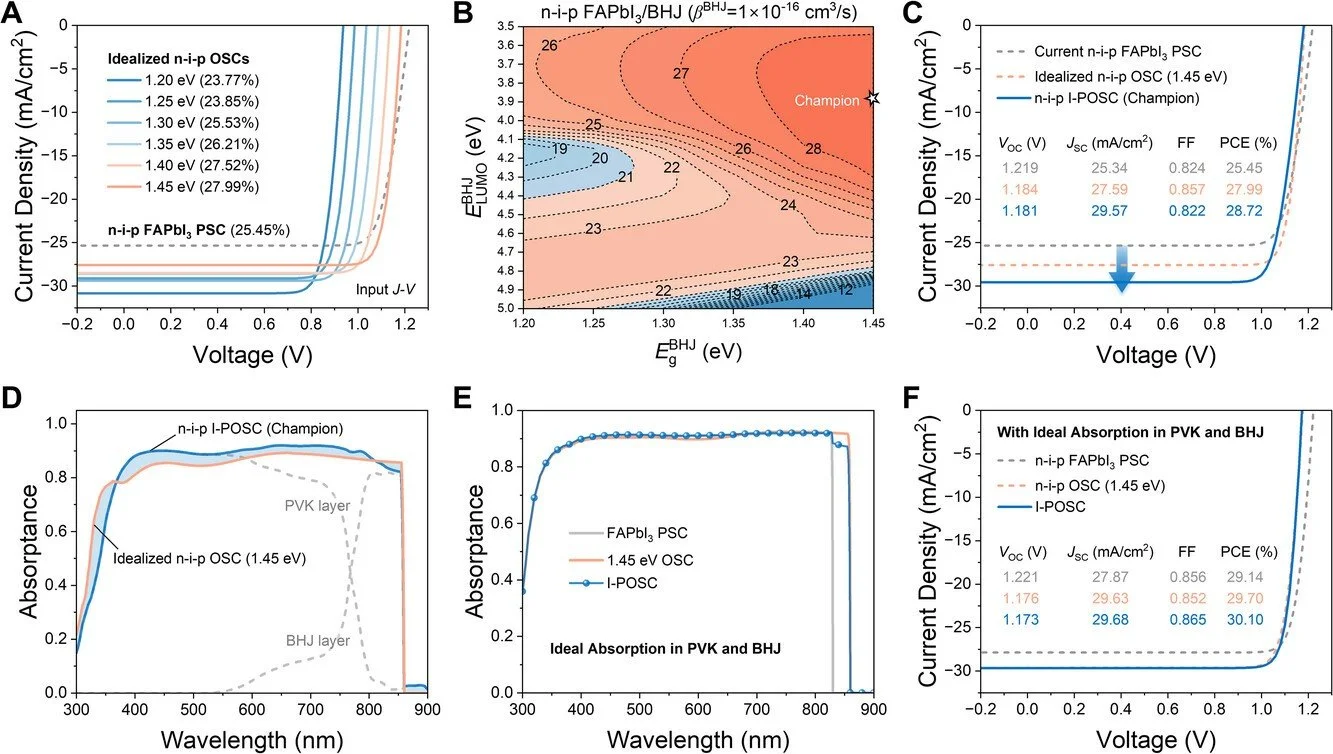
Figure 6 from Tian et al. (2026), Advanced Energy Materials, reproduced under CC BY 4.0.
Publication details
Authors: Jingjing Tian, Chao Liu, Karen Forberich, Rong Wang, Larry Lüer, and Christoph J. Brabec
Journal: Advanced Energy Materials
Year: 2026
DOI: 10.1002/aenm.202504060
PDF link: https://doi.org/10.1002/aenm.202504060. The article is open access under CC BY 4.0.
Fluxim tools used
Setfos — version 5.4 used for comprehensive optical and drift-diffusion simulations of perovskite, organic and integrated devices, calibrated against the authors' fabricated cells.
Why it matters
Gives the I-POSC community a unified physical picture of how energy alignment and recombination shape each device metric.
Identifies bimolecular recombination in the organic bulk heterojunction as the main loss, pointing research to the right target.
Shows that the ideal I-POSC efficiency stays within the detailed-balance limit of the single-junction organic subcell.
FAQs
Which Fluxim tool was used in this paper?
Setfos 5.4 was used for optical and drift-diffusion simulations of the integrated perovskite/organic solar cells.
What limits integrated perovskite/organic solar cells today?
Bimolecular recombination within the organic bulk heterojunction is the primary loss, rather than trap-assisted recombination at the interface.
How does energy-level alignment matter?
Type-II alignment aids photocurrent extraction, reverse Type-II alignment preserves photovoltage, and in the Type-I transition regime moderate barriers make the fill factor the limiting factor.