
TADF OLEDs can harvest triplet excitons without heavy metals, but a quantitative device model has been missing. Nikan et al. build an optoelectronic model for single-layer OLEDs based on the TADF emitter CzDBA that uses no adjustable parameters. Charge transport is simulated with a drift-diffusion solver, exciton densities follow from kinetic rates measured by photoluminescence, and an optical outcoupling model completes the chain. The model reproduces the EQE and its roll-off for different layer thicknesses and temperatures. The emissive dipole orientation needed for the outcoupling model was measured with a Fluxim Phelos gonio-spectrometer and fitted with Setfos.
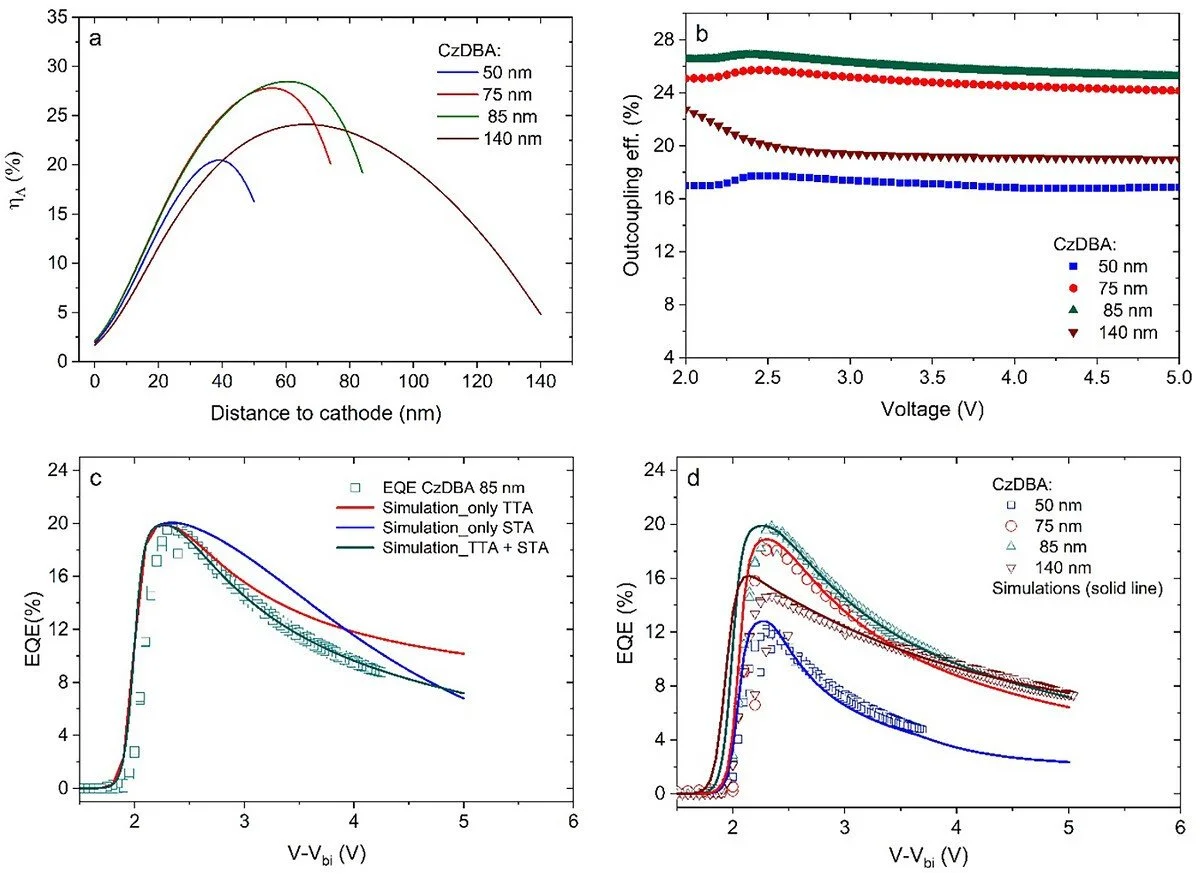
Figure 5 from Nikan et al. (2026), Advanced Electronic Materials, reproduced under CC BY 4.0.
Publication details
Authors: Jawid Nikan, Kaiwen Guo, Yungui Li, Paul W. M. Blom, and Gert-Jan A. H. Wetzelaer
Journal: Advanced Electronic Materials
Year: 2026
DOI: 10.1002/aelm.202500729
PDF link: https://doi.org/10.1002/aelm.202500729. The article is open access under CC BY 4.0.
Fluxim tools used
Phelos — gonio-spectrometer used to measure angle-resolved photoluminescence of the CzDBA neat film.
Setfos — used to fit the angular photoluminescence and determine the emissive dipole orientation used as input to the outcoupling model.
Why it matters
Shows that TADF OLED efficiency and roll-off can be predicted from independently measured material parameters alone.
Highlights how accurate dipole orientation from angle-resolved PL is essential for reliable outcoupling predictions.
Provides a framework that can be extended to study OLED degradation.
FAQs
Which Fluxim tools were used in this paper?
A Phelos gonio-spectrometer measured angle-resolved photoluminescence, and Setfos was used to fit it and extract the emissive dipole orientation.
What does the model predict?
It predicts current density-voltage characteristics, external quantum efficiency and efficiency roll-off of single-layer CzDBA OLEDs for different thicknesses and temperatures.
Why is the model notable?
All input parameters come from independent measurements, so it describes the devices without any adjustable fitting parameter.